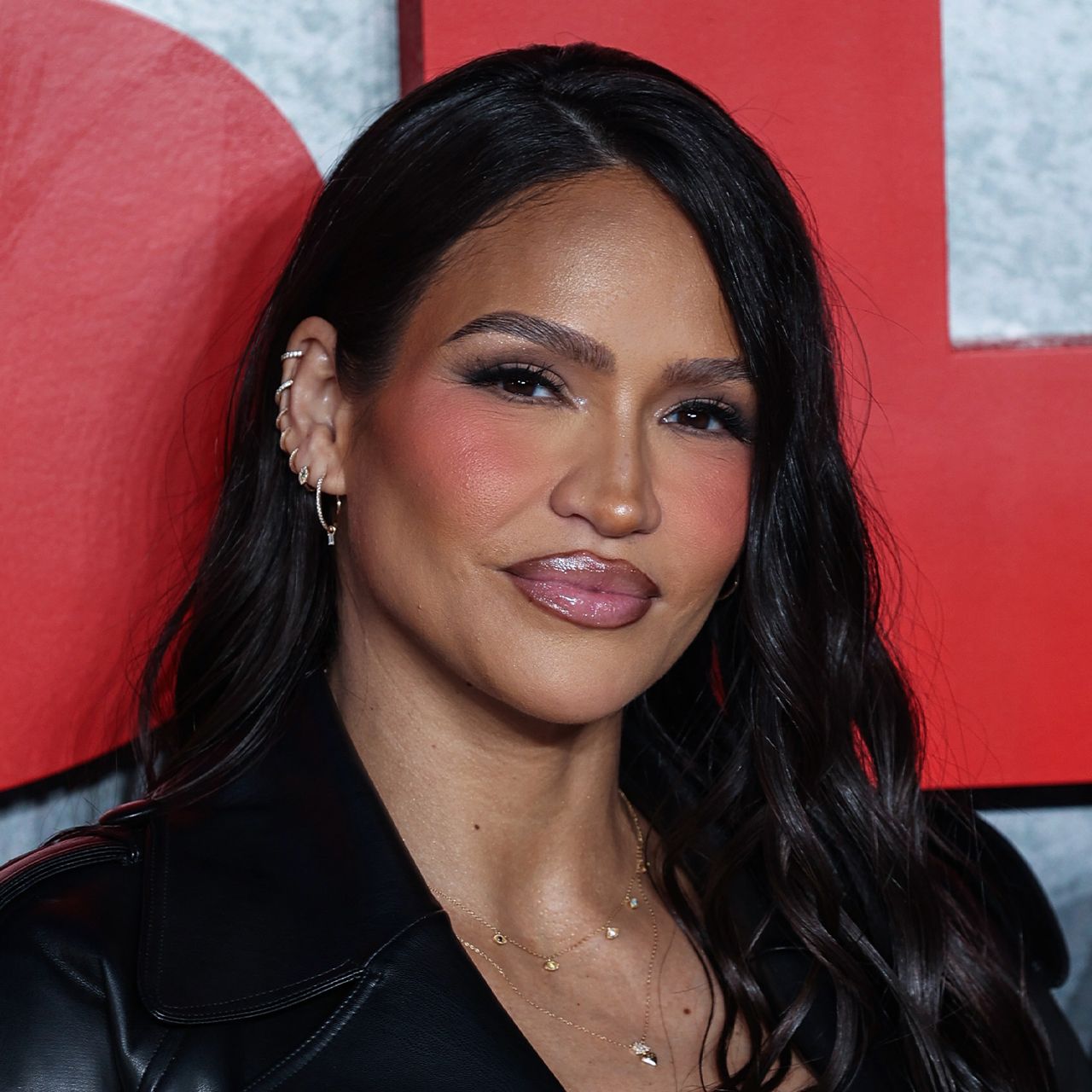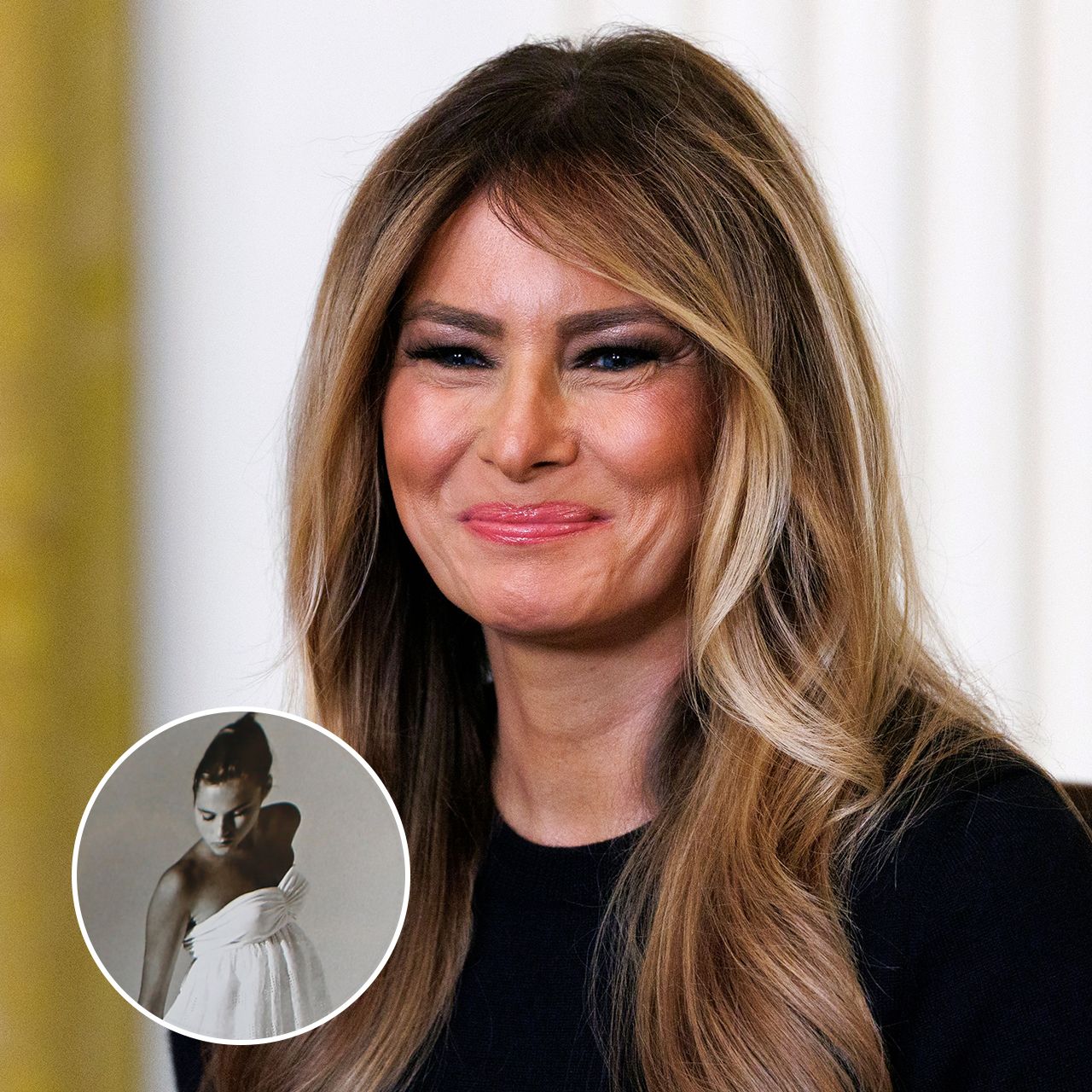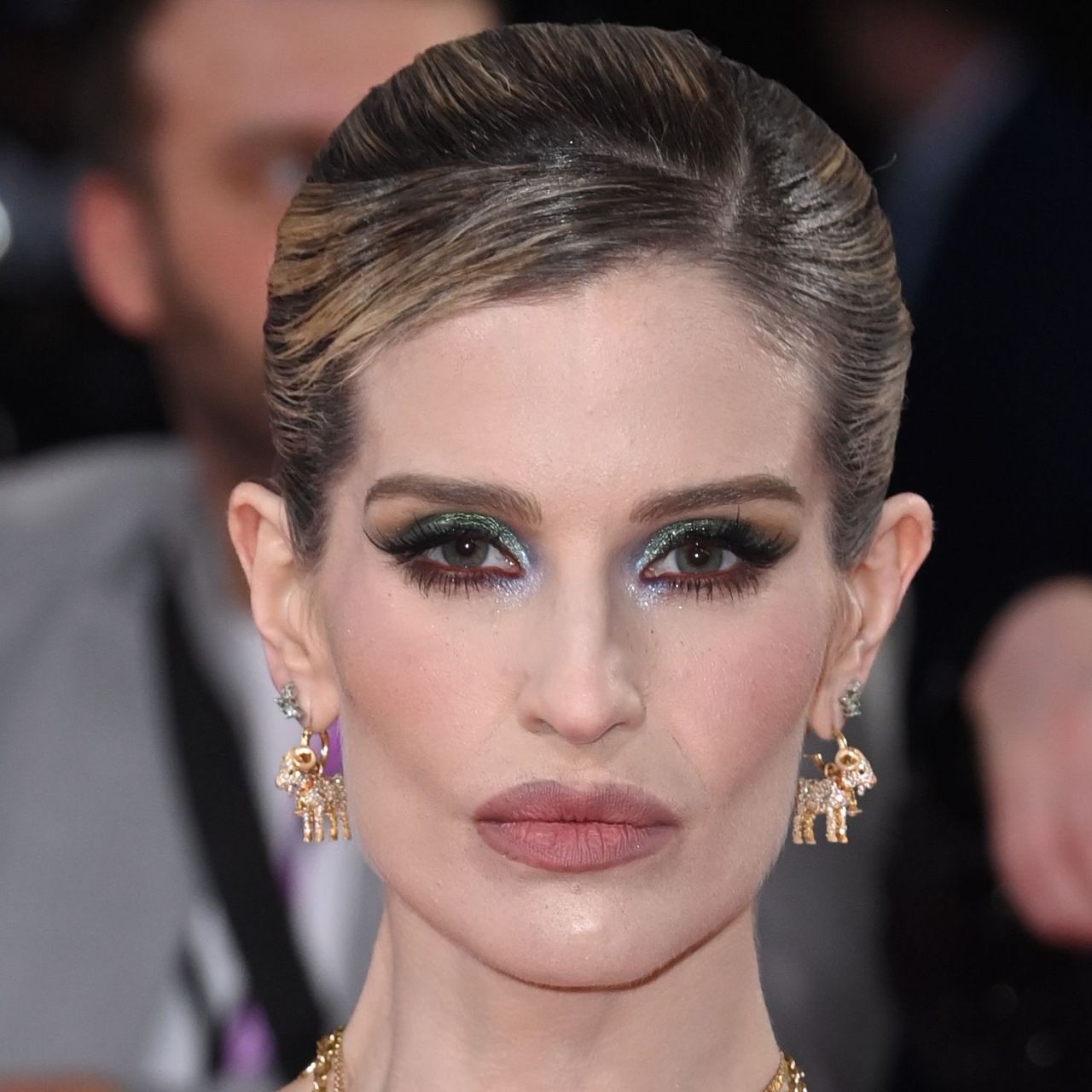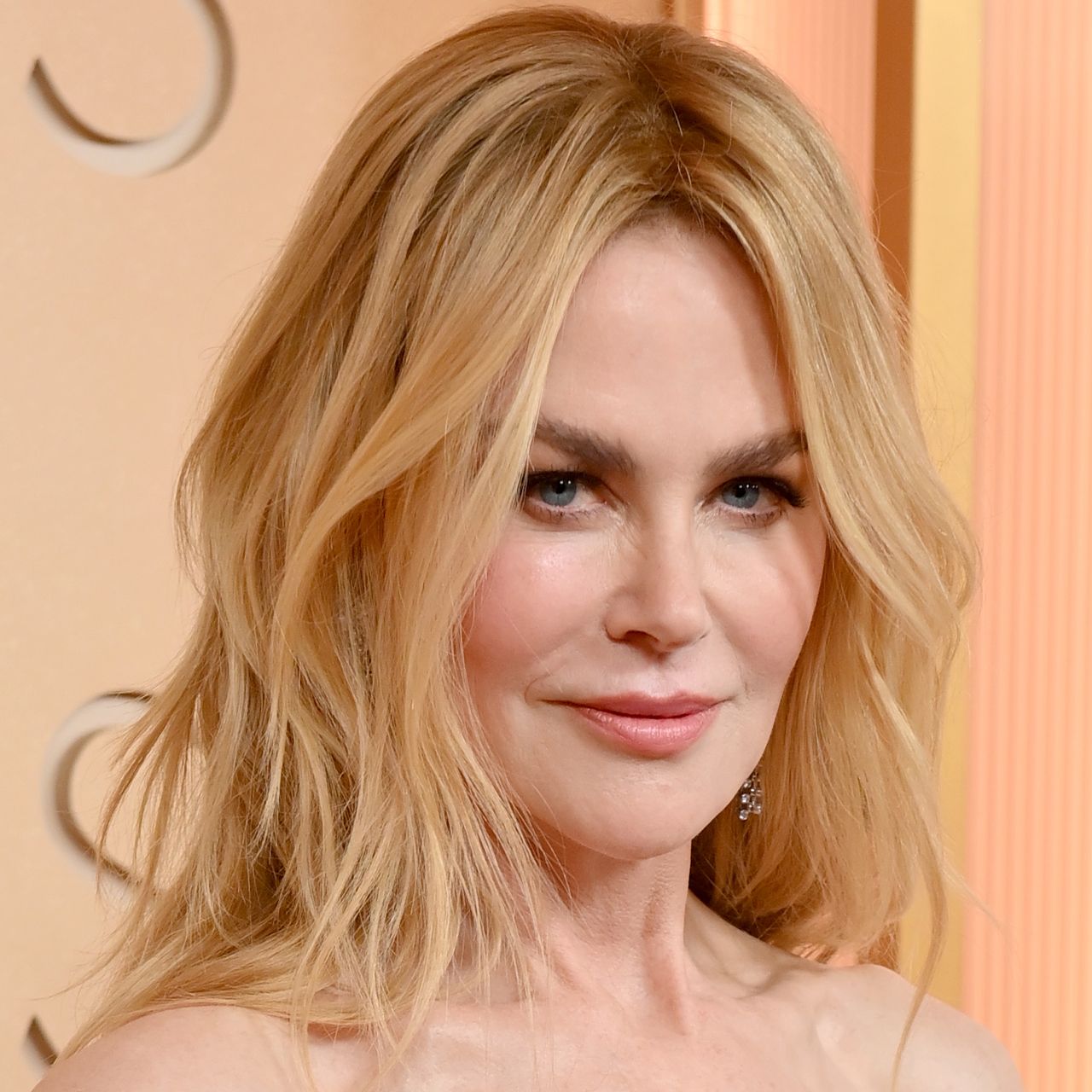

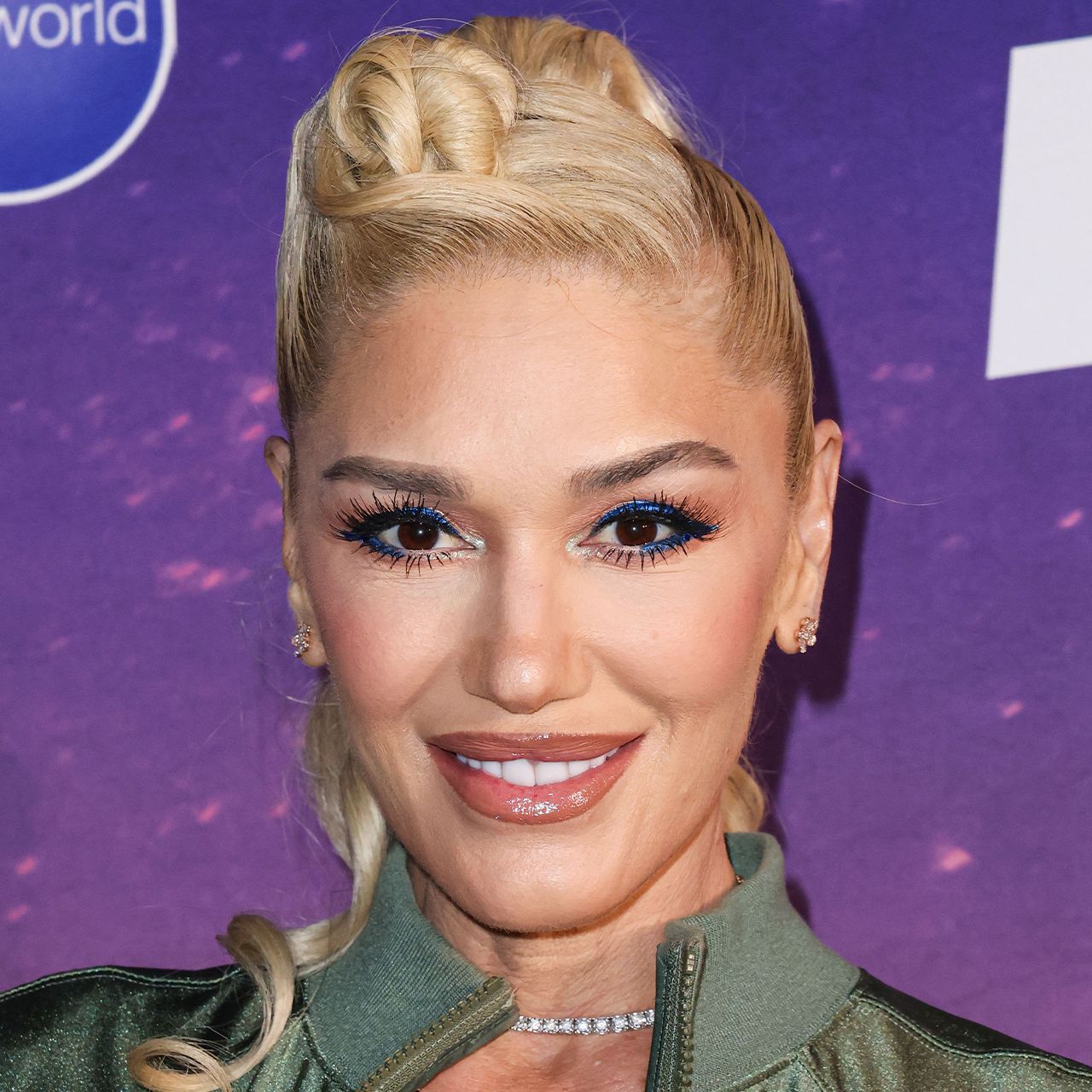



If you’ve ever been told that contouring “doesn’t work” on mature skin, it’s time to rethink everything you’ve heard. According to beauty creator Glam Girl Gabi, the technique itself isn’t the problem—it’s how it’s applied. With a few strategic tweaks, contouring can actually restore structure, add softness, and create a more lifted, youthful look.

Women Are Swapping Their Boring Water For This Ice Pop Electrolyte Mix!

1. Start With Hydration—Always
Before any contour goes on, skin prep is key. Gabi emphasizes that mature skin needs hydration first, whether that’s through a nourishing serum, moisturizer, or both. A well-prepped base helps makeup sit more smoothly and prevents it from settling into fine lines.

2. Choose Coverage That Works For You
While lightweight skin tints are trending, Gabi notes they don’t always deliver that polished, perfected finish. A hydrating foundation with buildable coverage can help even out the complexion while still feeling comfortable—especially when applied with a mix of pressing and sweeping motions.
One key tip: skip heavy foundation under the eyes. This area is more prone to creasing, so keeping layers minimal makes a noticeable difference.

3. Rethink Contour Placement
The biggest mistake? Trying to hollow out the face. As we age, natural volume loss already creates that effect—so leaning into it can make features look more sunken. Instead, Gabi recommends:
- Using a slightly warmer-toned contour to create a soft, sun-kissed dimension
- Placing contour higher on the cheekbones, rather than in the hollow, to lift the face
- Adding subtle shadow around the jawline and neck to soften the appearance of looseness
- Lightly contouring the forehead and nose to balance proportions
The goal isn’t sharp definition—it’s gentle structure that mimics natural shadows. Technique matters just as much as placement. Gabi stresses using a “press and sweep” motion, always blending upward on the cheeks to create lift.
Dragging product downward can unintentionally emphasize sagging. For the jawline and neck, however, blending slightly downward creates a seamless, natural shadow.

4. Don’t Skip Powder—Just Use It Differently
Many people with mature skin avoid powder, but Gabi says it’s essential for preventing creasing. The trick is using a light hand and pressing it into the skin with a puff rather than sweeping it on. Hydrating formulas can set makeup without making skin look dry or heavy.

5. Blush Placement Makes a Difference
Instead of placing blush only high on the cheekbones, Gabi suggests applying it to the apples of the cheeks and softly blending upward. This helps soften under-eye hollowness and brings back a youthful flush.
The Bottom Line
Contouring on mature skin isn’t about reshaping your face—it’s about enhancing it. By focusing on lift, warmth, and soft blending, you can create a look that feels natural, flattering, and refreshed. And most importantly, Gabi reminds: makeup isn’t about rules. It’s about using light and shadow like an artist to create the version of yourself you love most.