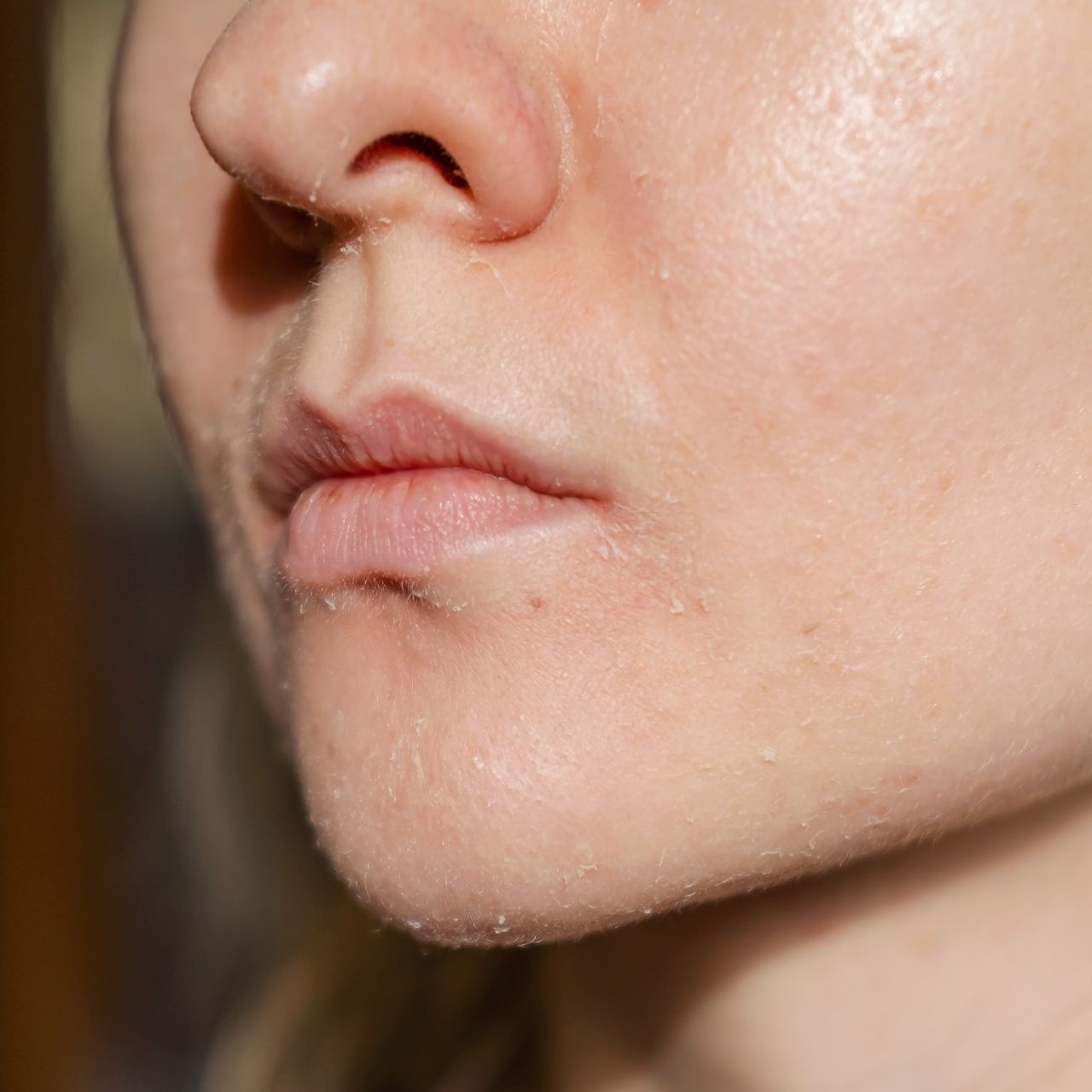





Dark spots on the skin are incredibly common and something most people will experience at some point in their lives, especially as they get older. These areas of hyperpigmentation can appear as small freckles, sun spots, or larger patches of uneven tone, and they often become more noticeable over time. While they are usually harmless, dark spots can be frustrating for many people because they tend to linger and can make the complexion look uneven or dull.
It’s always a good idea to have your skin looked at by a dermatologist if you have concerns, but most common causes of dark spots include sun exposure, which triggers excess melanin production, as well as hormonal changes, acne scarring, inflammation, and even certain medications. Everyday factors like picking at blemishes or not wearing sunscreen consistently can also make discoloration worse or more persistent. Because so many different triggers can lead to pigmentation, treating dark spots often requires a smart, consistent approach—and not a quick fix. These are some of the scientifically-backed ingredients recommended for treating dark spots.

Women Are Swapping Their Boring Water For This Ice Pop Electrolyte Mix!

1. Retinoids
Retinoids, which include over-the-counter retinol and prescription-strength tretinoin, help fade dark spots by speeding up skin cell turnover. This means pigmented, discolored skin cells are shed more quickly and replaced with newer, more evenly toned cells. Over time, this consistent renewal process can really mprove the appearance of sun spots, acne marks, and overall uneven pigmentation.

2. Vitamin C
Vitamin C works as a brightening antioxidant that helps interrupt the production of excess melanin in the skin. By slowing down pigmentation formation, it can gradually lighten existing dark spots while also preventing new ones from becoming more visible. It also helps protect the skin from environmental damage, which supports a more even, radiant complexion over time.

3. Azelaic Acid
Azelaic acid helps fade dark spots by targeting overactive pigment cells and reducing inflammation in the skin. It is especially useful for post-acne marks and uneven tone because it works gently while still being effective at brightening discoloration. With regular use, it can help create a smoother, more balanced skin appearance without being too irritating.

4. Sunscreen
Sunscreen is one of the most important tools for treating dark spots because it prevents them from getting darker and stops new ones from forming. UV exposure is one of the main triggers for hyperpigmentation, so wearing a daily broad-spectrum protection is truly important. Without consistent sunscreen use, even the best brightening ingredients won't work as well.