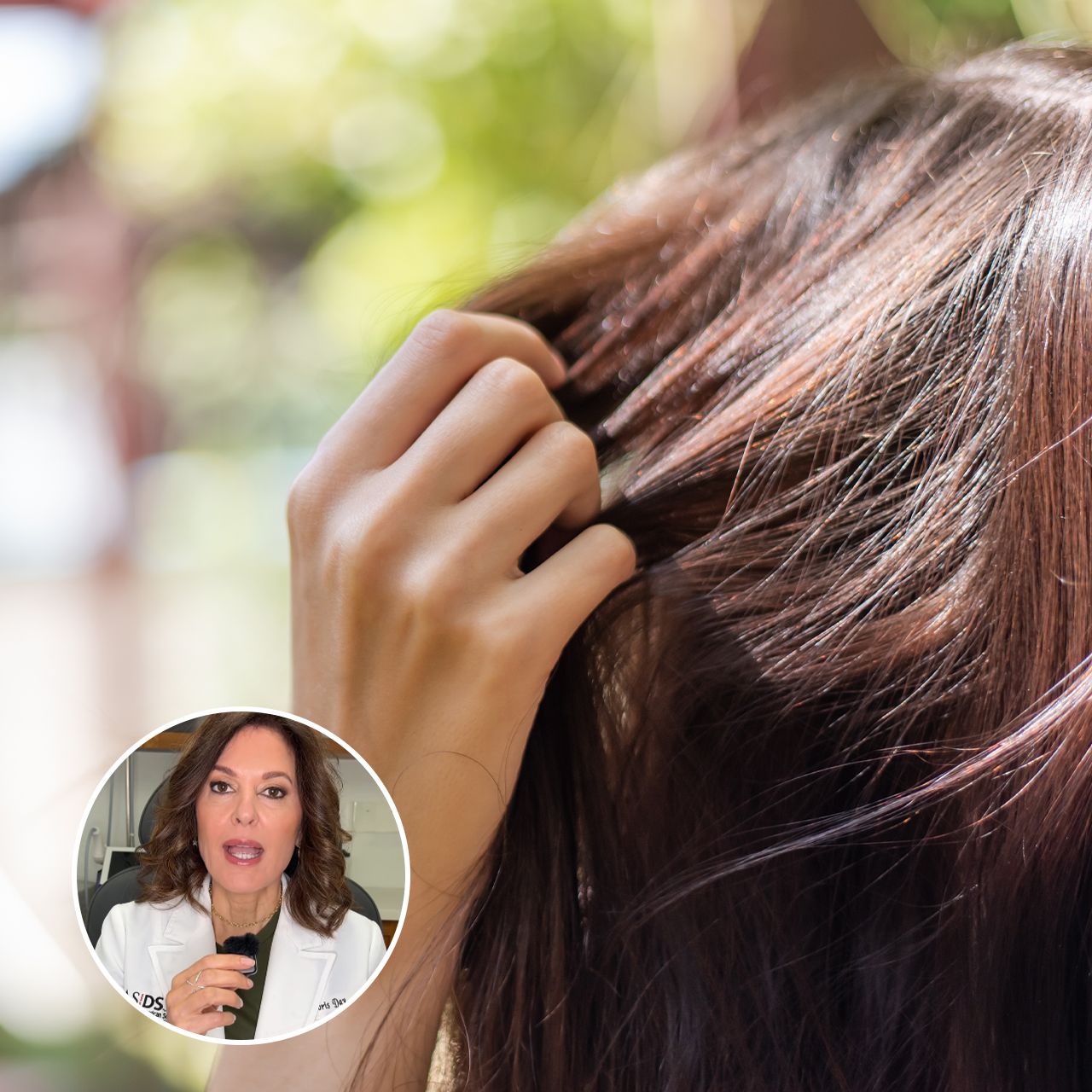





If your skincare products suddenly burn, your face feels painfully tight after cleansing, or your skin seems irritated no matter what you use, experts say your skin barrier may be compromised.
According to medical aesthetician Charis Atargatis, many people accidentally damage their skin barrier without realizing it—often by over-exfoliating, using too many active ingredients, or stripping the skin with harsh products.
Your skin barrier is the outermost layer of your skin responsible for locking in moisture and protecting against irritation, bacteria, and environmental stressors. When it becomes damaged, your skin can quickly become reactive, inflamed, and dehydrated.
Here are the major signs your skin barrier may be struggling—and how experts recommend repairing it.

Women Are Swapping Their Boring Water For This Ice Pop Electrolyte Mix!

1. Your Products Suddenly Sting
One of the biggest warning signs is when products that normally feel fine suddenly begin burning or stinging your skin. Even gentle skincare products can feel uncomfortable when the barrier is weakened because your skin becomes far more sensitive and vulnerable to irritation.
2. Your Skin Feels Tight and “Squeaky Clean”
That ultra-tight feeling after washing your face may not actually mean your skin is “clean”—it could mean your cleanser is stripping away too much moisture. Atargatis explains that skin should feel comfortable after cleansing, not dry or overly tight.
3. You’re Dealing With Constant Breakouts
A damaged skin barrier can also trigger ongoing breakouts that seem unusually stubborn or slow to heal. When the skin is inflamed and compromised, it struggles to properly recover, which can worsen irritation and blemishes over time.
4. Redness and Irritation Keep Showing Up
Persistent redness, sensitivity, flaking, or irritation are also common signs your barrier needs attention. Many people mistake this for acne, dryness, or allergic reactions when it may actually stem from overusing exfoliants, acids, or strong active ingredients.
5. Products That Used To Work Are Now Irritating
If your favorite skincare products suddenly seem too harsh, your skin barrier may no longer be able to tolerate them properly. This is especially common with products containing:
- Retinol
- AHAs and BHAs
- Vitamin C
- Exfoliating scrubs
- Acne treatments

How To Heal a Damaged Skin Barrier
According to Atargatis, the first step is simplifying your routine immediately.
“You really want to simplify your skincare routine and peel back any actives or exfoliation for the time being,” she explained.
Instead of layering multiple treatments, focus on hydration and gentle skincare products designed to support recovery.
What To Use Instead
Experts recommend sticking to the basics:
- A gentle cleanser
- A nourishing moisturizer
- Daily sun protection
Hydrating ingredients like ceramides, hyaluronic acid, glycerin, and panthenol may also help support the skin barrier while it heals.
How Long Does Healing Take?
Atargatis recommends giving your skin about two to four weeks to recover before slowly reintroducing stronger products into your routine. The key is patience. Overloading your skin too quickly can restart the irritation cycle all over again.
Ultimately, if your skin suddenly feels reactive, sensitive, or impossible to calm down, the problem may not be that you need more skincare—it may actually mean your skin needs less.