




If you’ve ever stood in the skincare aisle feeling overwhelmed by trendy products, you’re not alone—and according to dermatologist Daniel Sugai, some viral favorites may not be worth the hype at all. In a recent breakdown, he shared the skincare products he personally avoids in practice, explaining that not everything marketed as “skin-friendly” actually benefits your skin barrier in the long run.

Women Are Swapping Their Boring Water For This Ice Pop Electrolyte Mix!

Charcoal pore strips
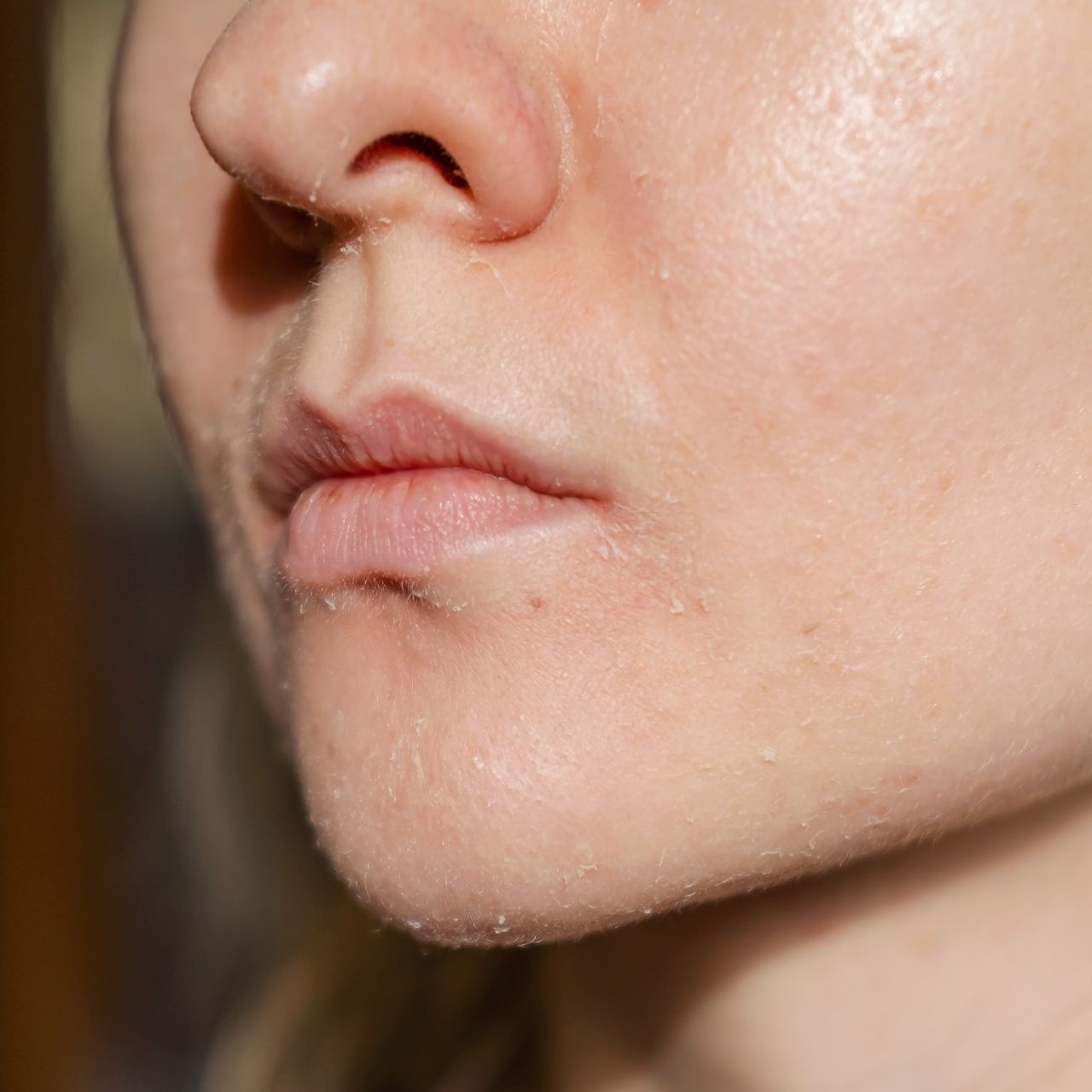
One of the biggest offenders, he says, is charcoal pore strips. “I’ve used this before and man, it did rip the epidermis off of my nose,” he explains. He adds that he’s seen patients with similar reactions after using them, often left with raw, irritated skin that requires barrier-repair care. In those cases, he suggests reaching for something soothing like La Roche-Posay Cicaplast Balm to help support healing instead of further stripping the skin.

Rosemary oil
When it comes to hair loss treatments, Sugai is also skeptical of rosemary oil. While some small studies suggest it may show results similar to low-dose minoxidil, he points out that “2% minoxidil is not really the standard most people recommend.” For him, the evidence simply isn’t strong enough to rely on rosemary oil as a primary treatment option.

High-strength niacinamide serums
He’s also not a fan of high-strength niacinamide serums, particularly those at 10% concentrations. While he supports vitamin B3 in general skincare—like moisturizers and cleansers—he says concentrated serums can be too irritating for many patients. “I see a lot of irritant contact dermatitis,” he notes, suggesting that lower, more balanced formulations are often better tolerated.

Sunscreen-retinol formulas
Another product category he questions is combination sunscreen-retinol formulas. The issue, he explains, is stability and timing: retinol is best used at night, while sunscreen requires frequent daytime reapplication. “You don’t reapply your retinol every two hours,” he points out, making the pairing impractical from both a science and usage standpoint.
For sunscreen itself, he emphasizes proper application over gimmicky hybrids. A half teaspoon for the face, ears, and neck—and consistent reapplication every two hours—is far more effective than trying to simplify routines with multitasking products that may not deliver optimal results.
At the end of the day, Sugai’s message is simple: just because a product is trending doesn’t mean it belongs in your routine.