





Android users, like any smartphone user, understand just how frustrating it can be to have a phone that’s constantly draining battery life.
When a phone is healthy and functioning well, its battery can last fairly long throughout the day without needing to be plugged back in. However, one that’s dealing with a damaged battery or is consistently being charged improperly can only go a few hours without getting charged, making your day less convenient. Using information from tech experts, we’re listing two Android charging mistakes that could be ‘ruining’ your battery over time. Read more about them below.

Women Are Swapping Their Boring Water For This Ice Pop Electrolyte Mix!
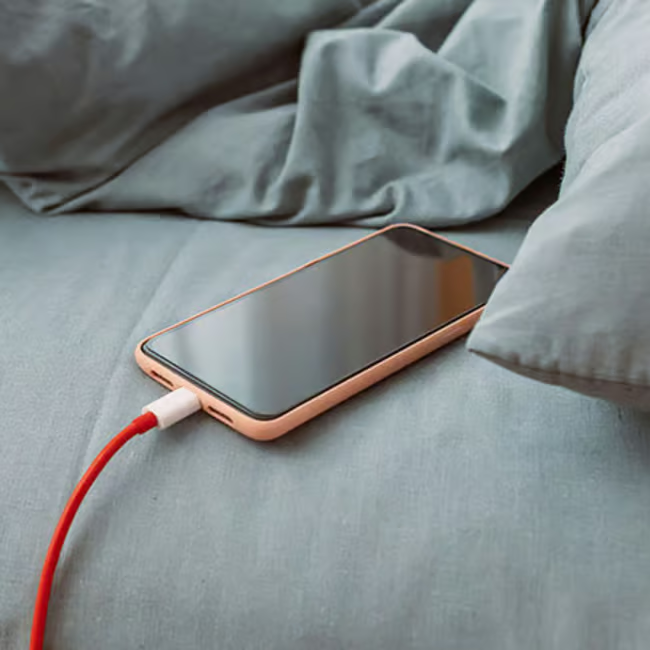
1. Leaving Your Phone Plugged-In At 100% Battery
For many Android users, they have a routine where they plug in their phone right before bed, then leave it on the charger all night. While this might seem like a smart idea, letting your phone sit on the charger at 100% for hours at a time can end up damaging it.
"One of the worst charging habits users still have in 2026 is treating lithium-ion batteries like old-school batteries," says tech expert Michael Crapis. "Modern smartphone batteries degrade fastest when they sit at extreme charge levels for long periods. Keeping your phone at 100% overnight every night, especially in warm environments, accelerates chemical aging inside the battery."
2. Ignoring Smart Charging Features
There are a lot of tech experts out there who would agree that when you get a new Android or any other kind of smartphone, you should do some research on your device's features and settings to ensure you're optimizing your experience and making the most of it.
"Many users disable or ignore optimized charging features that iPhones and Android devices now include," adds Crapis. "Features like adaptive charging or optimized battery charging are designed to slow down charging near 80% and only reach 100% right before you typically unplug."
"These systems use behavioral learning and onboard battery management data to reduce long-term stress on the battery," he continues. "Turning them off for convenience undermines years of battery management engineering. In 2026, there's really no reason not to leverage these built-in protections."