





Joint inflammation can cause more than physical pain; it can frustratingly make everyday activities like climbing stairs to taking a walk feel much more difficult. Several factors play a role in your joint health, like aging, injuries, genetics, and certain medical conditions, but what you eat can have a large influence on inflammation levels in your body.
According to Dr. Mark Kovacs, PhD, FACSM, CSCS, Human Performance & Longevity Expert, CEO of the Kovacs Institute it’s important to look at your overall diet and lifestyle. “Joint pain and inflammation are multifactorial and no single food causes arthritis or guarantees joint problems,” he explains. “However, dietary patterns that promote chronic, low-grade inflammation can worsen symptoms in susceptible individuals. The focus should be on overall eating habits rather than demonizing individual foods.”
That being said, he shared a few potentially harmful foods. Find his warnings below.

Women Are Swapping Their Boring Water For This Ice Pop Electrolyte Mix!

1. Ultra-Processed Foods
One of the biggest dietary contributors to inflammation is ultra-processed food. This category includes items such as chips, fast food, packaged snacks, and many frozen convenience meals.
"Ultra-processed foods (including chips, fast food, packaged snacks, and many highly processed frozen meals) are among the biggest contributors to chronic inflammation," says Dr. Kovacs. "These foods are often high in refined carbohydrates, unhealthy fats, sodium, and additives while being low in fiber and antioxidants."
According to him, "Diets rich in ultra-processed foods have been associated with increased inflammatory markers and weight gain, both of which can increase stress on joints."
Instead, he recommends focusing on whole foods, including fruits, vegetables, nuts, seeds, legumes, and lean proteins.

2. Sugary Drinks And Excess Added Sugar
Sugary beverages can have a big impact on inflammation and metabolism over time. Soda, sweetened coffee drinks, energy drinks, and desserts are all common sources of added sugar.
"Regular consumption of soda, sweetened coffee drinks, energy drinks, and desserts can contribute to insulin resistance and elevated inflammatory compounds in the body," Dr. Kovacs says.
Added sugars can also indirectly affect joint health by contributing to excess body weight. "Excess sugar intake may also promote weight gain, which places additional mechanical stress on weight-bearing joints like the knees and hips," he explains. "The combination of metabolic inflammation and increased load on the joints can amplify discomfort over time."
For a healthier alternative, he suggests choosing water, sparkling water, unsweetened tea, whole fruit, or Greek yogurt with berries when you're craving something sweet.

3. Processed Meats
While an occasional serving of bacon or deli meat isn't necessarily a problem, relying heavily on processed meats may increase inflammation levels.
"Highly processed meats such as bacon, sausage, hot dogs, and deli meats contain high amounts of sodium, preservatives, and advanced glycation end products (AGEs), which may contribute to oxidative stress and inflammation," says Dr. Kovacs.
Research has linked diets high in processed meats to poorer overall health outcomes and inflammatory conditions. To support joint health, Dr. Kovacs recommends replacing processed meats with more nutrient-dense protein sources such as fish, chicken, turkey, eggs, beans, and lentils.
Fatty fish like salmon, sardines, and mackerel may be particularly beneficial because they contain omega-3 fatty acids, which are known for their anti-inflammatory properties.

4. Fried Foods And Excess Omega-6 Fats
Fried foods are another category worth limiting if you're concerned about inflammation.
"Deep-fried foods and diets high in certain processed vegetable oils may contribute to an imbalance between omega-6 and omega-3 fatty acids," Dr. Kovacs explains.
He notes that omega-6 fats are not inherently harmful and are actually essential for health. However, consuming large amounts without balancing them with omega-3-rich foods may create more inflammation.
"While omega-6 fats are essential, excessive intake combined with inadequate omega-3 consumption may promote a more pro-inflammatory environment in some individuals," he says. "The issue is usually not the oils themselves, but the overall dietary pattern."
Healthier fat sources include extra virgin olive oil, avocados, walnuts, chia seeds, and fatty fish.
The Best Diet For Joint Health
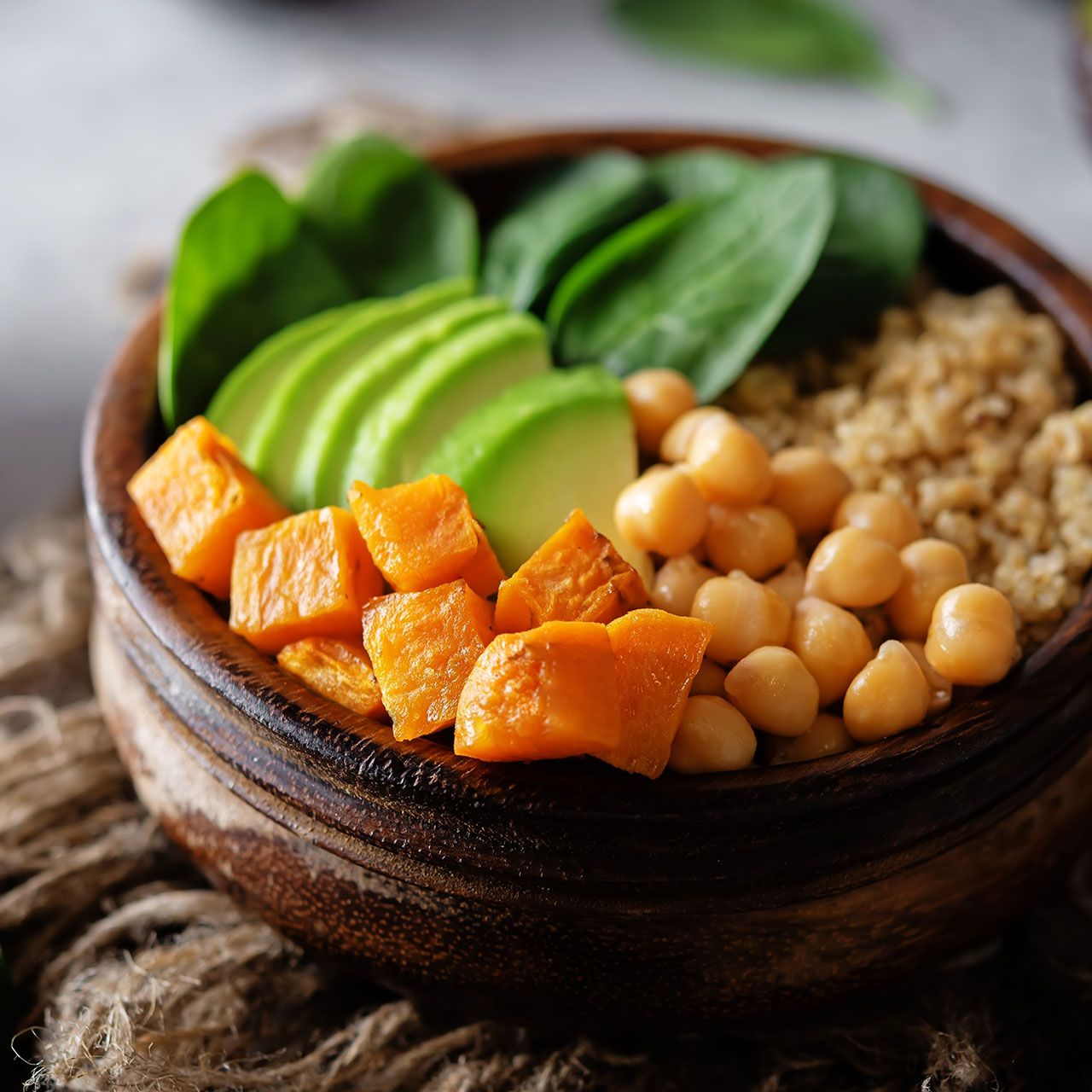
Rather than obsessing over foods to avoid, Dr. Kovacs encourages people to focus on anti-inflammatory foods.
"The Mediterranean-style diet has some of the strongest evidence for reducing inflammation and supporting joint health," he says. This diet prioritizes vegetables, fruits, legumes, whole grains, fish, olive oil, nuts, and high-quality protein sources.
Maintaining a healthy weight is also one of the most effective ways to support your joints. "Every extra pound of body weight increases stress on the joints," Dr. Kovacs notes, making weight management an important part of long-term joint health.
Ultimately, Dr. Kovacs emphasizes the importance of taking a holistic approach. "Stronger muscles support healthier joints," he says. "Nutrition and exercise work together. You can't out-supplement a poor lifestyle, and you can't out-exercise a poor diet. The goal should be an anti-inflammatory lifestyle—not just an anti-inflammatory food."