



Disclaimer: This story alone should not be taken as medical advice. Speak to your doctor about the best options for your personal health.
A healthy gut is crucial to your overall wellbeing. Not only does it help keep digestion running smoothly, but it can also influence everything from inflammation and cholesterol to blood sugar and body fat. Researchers behind a new study published in Nature say they’ve uncovered some of the microbes that appear to have the biggest impact on overall metabolic health. They broke this finding down in a recent podcast.
After analyzing more than 34,000 gut microbiome samples, scientists identified 50 beneficial gut bacteria consistently linked to better health markers. And the good news is that, according to the researchers, you don’t need an expensive probiotic to support them—but you should pay attention to your diet.
As Jonathan Wolf notes on the ZOE Science & Nutrition podcast, “in a relatively short period of time…12 to 18 weeks, your microbiome can really change in a way that means that it is healthier afterwards than it was at the beginning.”
Here are a few guidelines and diet staples experts recommend incorporating into your routine.

Women Are Swapping Their Boring Water For This Ice Pop Electrolyte Mix!

1. High-Fiber Foods
It's no secret that fiber is one of the most important nutrients for supporting a healthy gut microbiome—but the researchers stress that variety is just as important as quantity.
Explaining how fiber works, Dr. Nicola Segata says, "Some healthy foods...contain a diversity of fibers especially, or polyphenols...that are stimulating several bacteria."
He explains that different bacteria specialize in fermenting different fibers, producing compounds that support the immune system and cardiometabolic health. "The more variety we have...the better," he says.
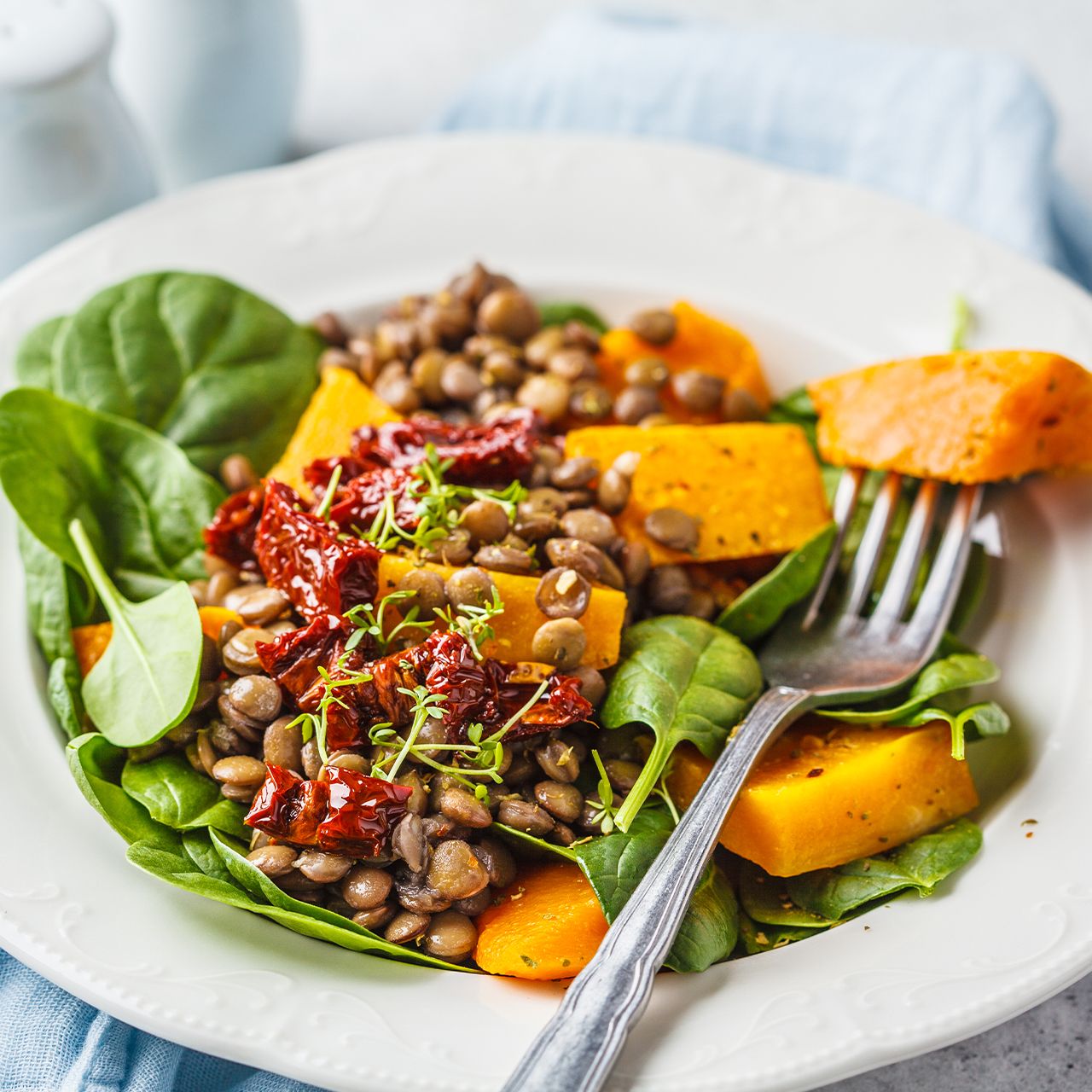
When it comes to high-fiber foods, there are tons of great options. Beans, lentils, chia seeds, and leafy greens are a great place to start. Dietitian Lisa Richards, creator of The Candida Diet recommends oatmeal, noting that you can "boost the fiber content by adding berries, chia seeds, or a tablespoon of ground flaxseed."
2. Polyphenol-Rich Foods
Colorful plant foods are another major focus for good gut bacteria because they're naturally rich in polyphenols.
Berry explains that these plant compounds make their way to the large intestine, where gut microbes break them down into beneficial compounds.
"About 80% of polyphenols reach our large intestine where they are metabolized...by our gut microbiome," she says.
Those resulting compounds can positively influence inflammatory pathways and other health pathways. But once again, diversity matters.
"Different gut bugs eat or metabolize different types of polyphenols," Berry explains. "You need to have both the diversity of your gut bugs as well as the diversity of polyphenols."
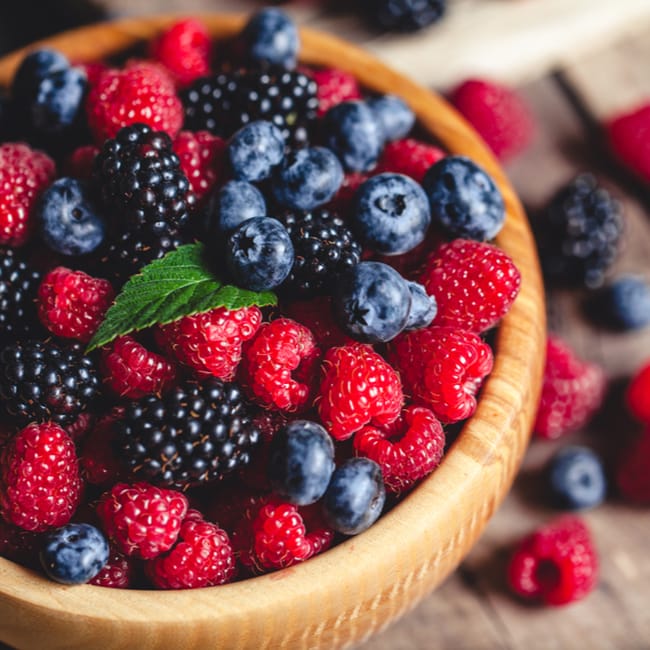
Examples of polyphenol-rich foods are dark chocolate, olive oil, apples, turmeric, and berries.
"Berries are very high in vitamins A and C, as well Ellagic Acid, a powerful polyphenol found in many berries which provide very powerful antioxidants," says Vanessa Coppola, APN-C, FNP-BC.
3. Resistant Starches
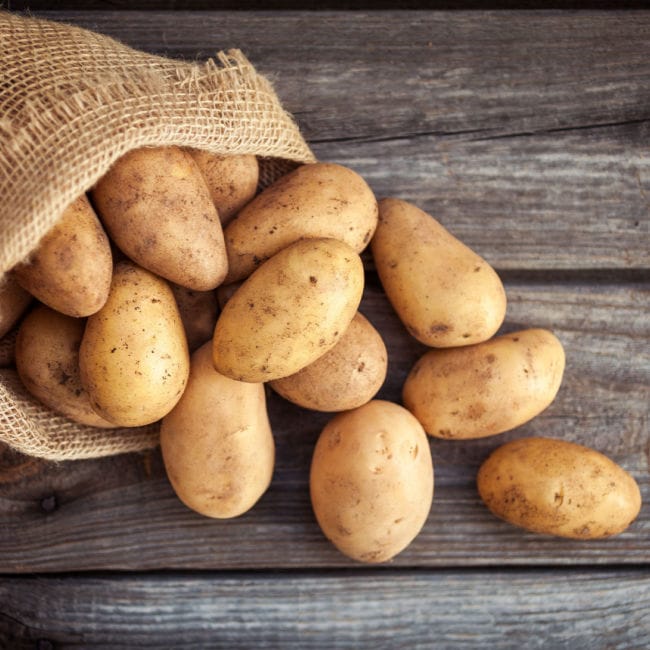
One of the more surprising recommendations involves resistant starch—a type of fiber that forms when certain starchy foods are cooked and then cooled.
Berry explains, "There's a type of fiber called resistant starch...and this has quite a big impact on feeding our microbes."
Foods like cooled potatoes, rice, and pasta become richer in resistant starch after cooling, and "it stays in that resistant starch form even when you reheat it," she says.
She calls it "a really simple hack" that can make these foods more beneficial for your gut microbiome.
The more you know!
4. A Wide Variety of Plant-Based Foods
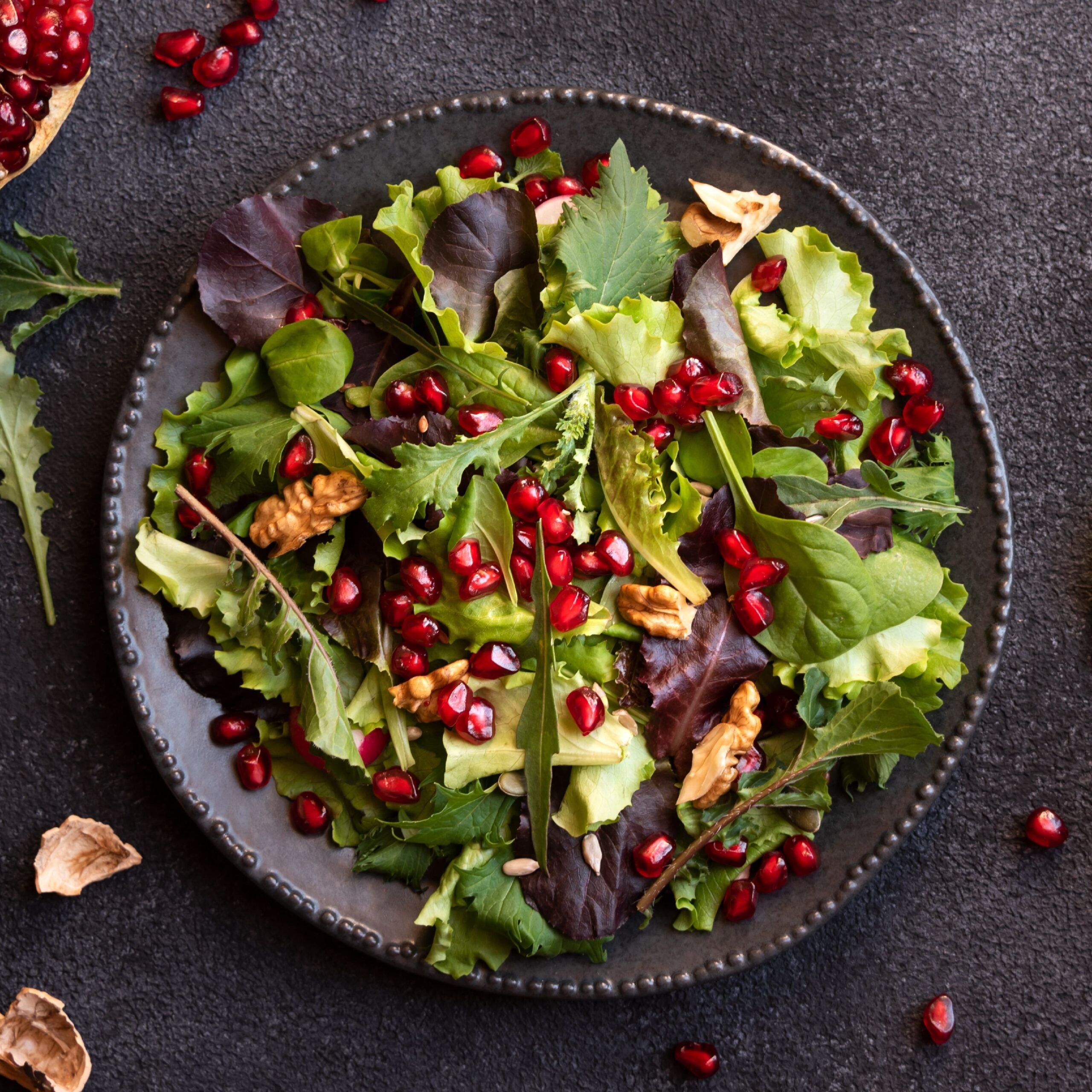
Rather than searching for one superfood, the researchers repeatedly emphasize eating a broad range of plant-based foods.
Berry explains, "It's really important to get that diversity of plants because you want that diversity in your fibers...and polyphenols."
Eating different fruits, vegetables, legumes, nuts, seeds, herbs, spices, and whole grains exposes your microbiome to a wider range of nutrients, allowing more beneficial bacteria to thrive.
So get out there and try a new vegetable. You may just love it—and your body probably will too.

The Bottom Line
One of the biggest takeaways from the research is that improving your gut isn't about finding a miracle supplement or one "perfect" food. Instead, it's about feeding the right bacteria with a wide variety of fiber-rich, polyphenol-rich plant foods.
As the researchers explain, different gut bacteria thrive on different nutrients. By consistently eating diverse whole foods—and, when appropriate, incorporating a whole-food prebiotic supplement—you can help create the conditions for beneficial microbes to flourish. And according to the study, those changes may begin to reshape your microbiome in as little as 12 to 18 weeks.