




Disclaimer: This article alone should not be taken as health advice. Speak to a healthcare provider for the best guidance.
If you’ve been trying to improve your gut health, curb blood sugar spikes, stay full between meals, or all of the above, adding more fiber to your plate could be a gamechanger. An unfortunate fact is that most Americans aren’t meeting their daily recommended fiber intake. This is a real shame, because according to the Academy of Nutrition and Dietetics, adequate fiber intake supports digestive health, helps regulate blood sugar, lowers cholesterol, and promotes satiety, making it one of the most important nutrients for overall health.
The good news is that if you’re looking to add more fiber to your meals, there’s no shortage of great foods ready to step up (and onto) your plate. We spoke to Caroline Thomason Bunn, RD, CDCES, to learn about six standout options that nourish your gut, promote lasting fullness, and help support steady blood sugar levels.

Women Are Swapping Their Boring Water For This Ice Pop Electrolyte Mix!
1. Beans
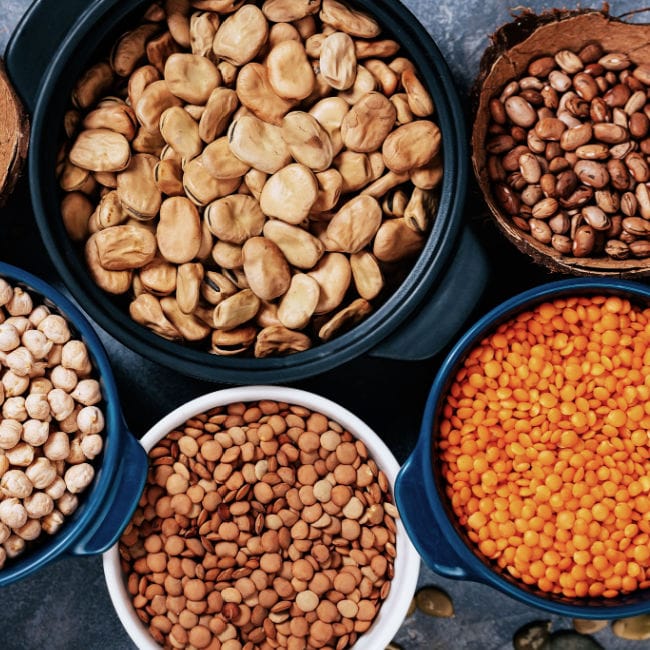
Beans aren't just affordable; they're a fantastic choice for your health, especially if fiber is a priority.
"Beans are one of the ultimate high-fiber foods because they provide a unique combination of fiber and plant-based protein," Bunn says. "That pairing helps support healthy digestion, slows the rise in blood sugar after meals, and keeps you feeling full much longer than many carbohydrate-rich foods alone."
She also notes that beans contain resistant starch, a type of prebiotic fiber that feeds beneficial gut bacteria. Whether you choose black beans, kidney beans, or chickpeas, they're an easy addition to salads, soups, tacos, grain bowls, and even creamy dips or pasta sauces.
2. Pears
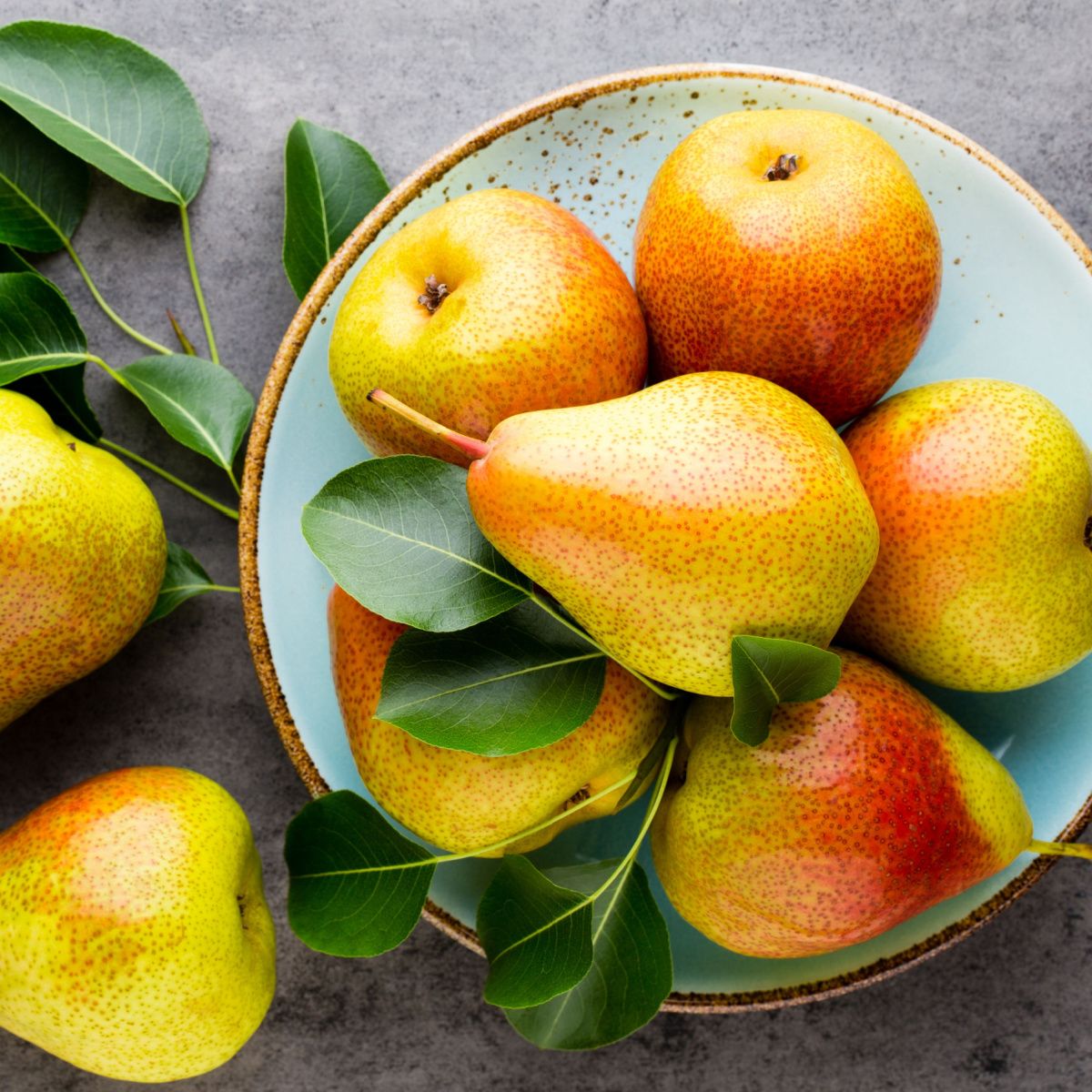
When it comes to fruit, pears deserve more attention—and don't skimp on the skin!
"Pears are one of the highest-fiber fruits you can eat, especially when you leave the skin on," Bunn explains. "They're particularly rich in pectin, a type of soluble fiber that helps nourish your gut microbiome while also slowing digestion to support steadier blood sugar and longer-lasting fullness."
She recommends pairing sliced pears with peanut butter or cheese for a balanced snack or adding them to oatmeal, yogurt, and salads.
3. Cherries
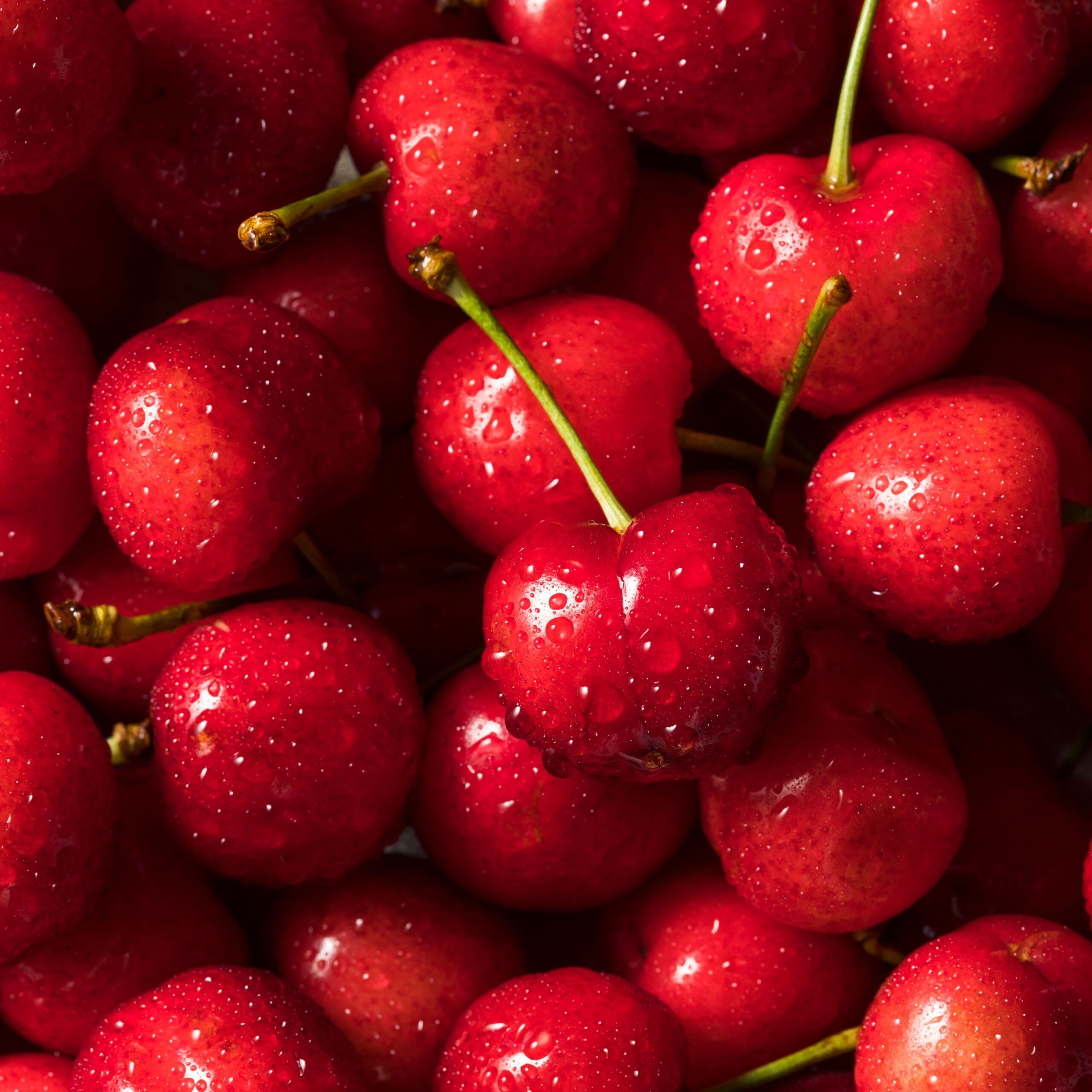
We love cherries for their naturally sweet flavor. But it turns out they're a great source of fiber, too. What a win-win!
"Cherries offer more than just fiber as they're also rich in anthocyanins, the antioxidants that give them their deep red color," says Bunn. "These plant compounds have been linked to reduced inflammation and overall health. The fiber doubly supports digestive health, contributes to steadier blood sugar, and helps keep you satisfied."
Fresh cherries are delicious on their own, but they also work well mixed into yogurt, oatmeal, or summer salads.
4. Oats
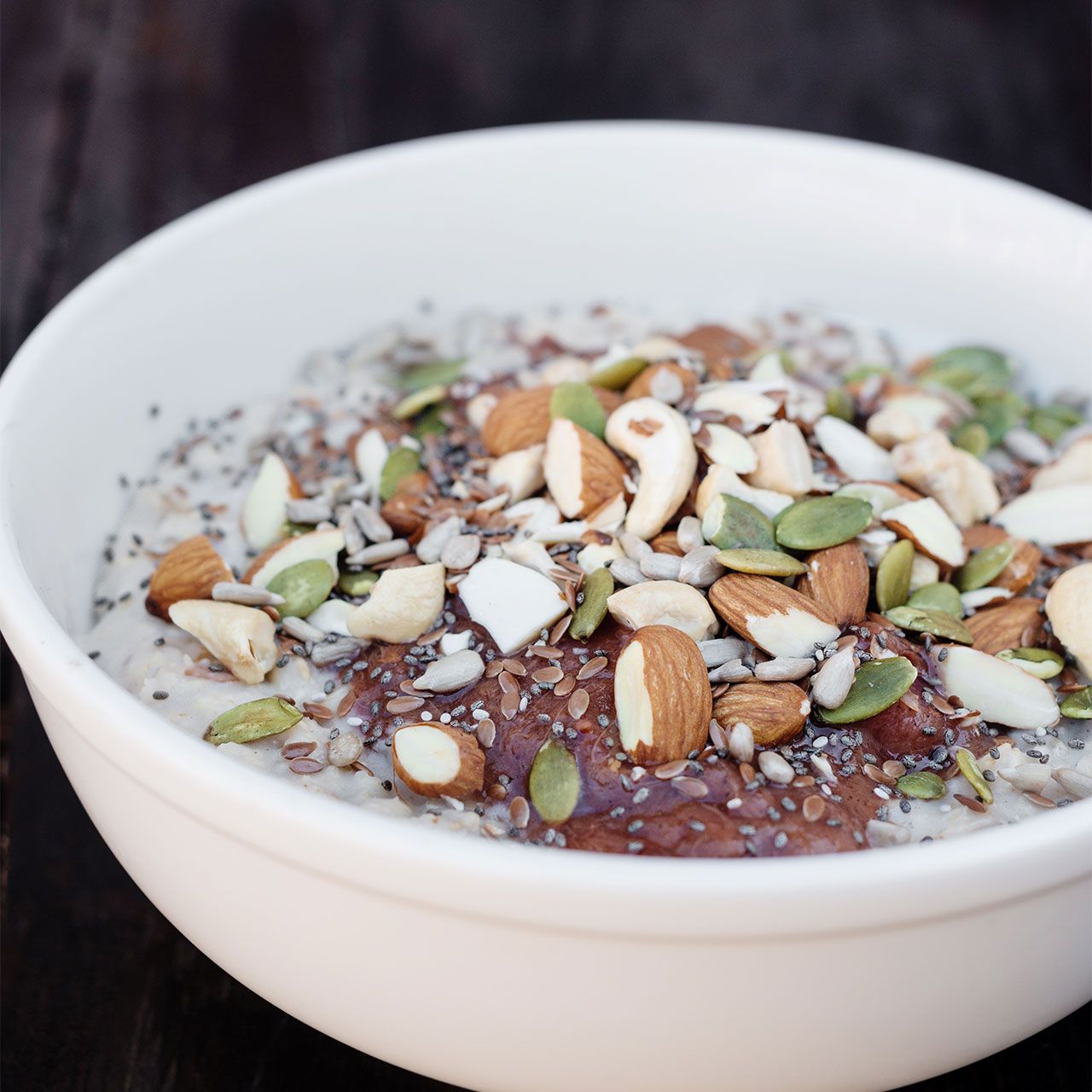
Oats have long been considered a breakfast staple, and there's so much to love about them. Not only are they a versatile base for any number of toppings your heart desires, but they're packed with fiber, too.
"Oats stand out because they're one of the best sources of beta-glucan, a special type of soluble fiber that's been extensively studied for its health benefits," Bunn says. "Beta-glucan forms a gel in your digestive tract that slows digestion, helps keep blood sugar more stable after meals, supports a healthy gut microbiome, and promotes lasting fullness."
Start your morning with oatmeal or overnight oats, or blend rolled oats into smoothies and baked goods for an extra fiber boost.
5. Raspberries
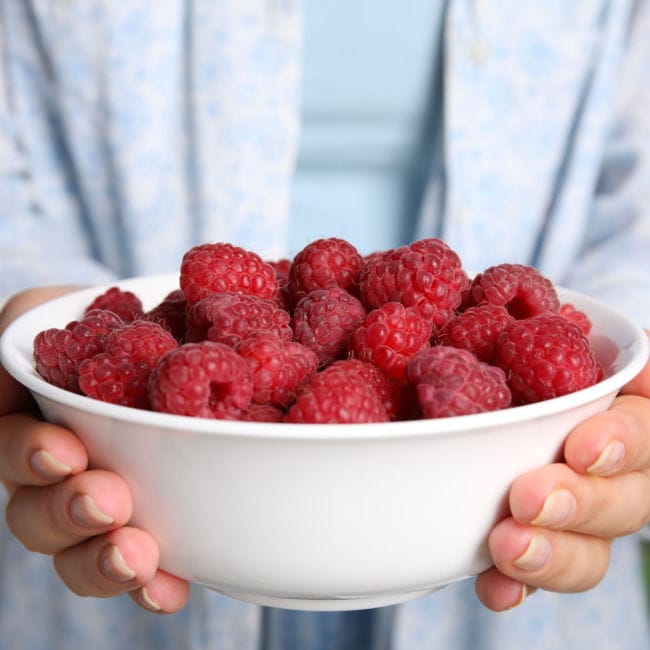
Raspberries pack an impressive amount of fiber into a small serving.
"Raspberries are one of the highest-fiber fruits, providing about 8 grams of fiber per cup, which equates to roughly one-third of the daily fiber needs for many women," Bunn says. "They're also packed with vitamin C and antioxidants, making them a nutrient-dense choice that supports digestive health, helps moderate blood sugar, and keeps snacks and meals more satisfying."
Enjoy them by the handful or stir them into yogurt, oatmeal, or smoothies.
6. Avocados
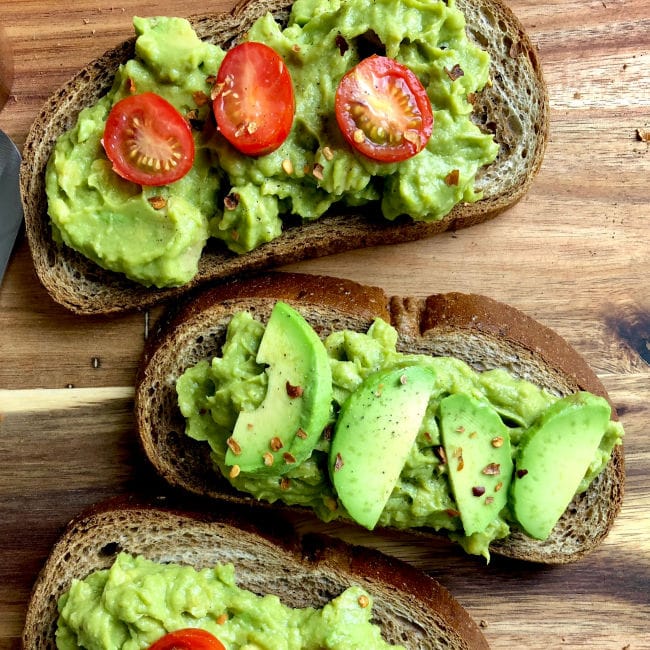
Avocados combine fiber with healthy fats, making them one of the most filling foods you can eat.
"Avocados are unique because they provide both fiber and heart-healthy monounsaturated fats, making them especially satisfying," Bunn explains. "This combination helps slow digestion, supports steadier blood sugar after meals, and keeps you feeling full longer than foods that contain carbohydrates alone. Avocados also contain prebiotic fiber that helps nourish beneficial gut bacteria, supporting digestive health from the inside out."
Spread avocado on whole-grain toast, add it to salads, tacos, grain bowls, or smoothies, or simply enjoy sliced avocado alongside eggs or sandwiches.

The Bottom Line
Eating more fiber doesn't have to mean changing your entire diet. Simple additions like beans, pears, oats, raspberries, cherries, and avocados can help you support healthy digestion, promote steadier blood sugar, and stay satisfied throughout the day. By incorporating a variety of fiber-rich foods into your meals, you'll also feed beneficial gut bacteria and gain the many long-term health benefits that come with a higher-fiber eating pattern.