




If you’ve ever stood in the grocery aisle overwhelmed by long ingredient lists and confusing nutrition labels, experts say one simple guideline can make shopping much easier: the “one ingredient rule.”
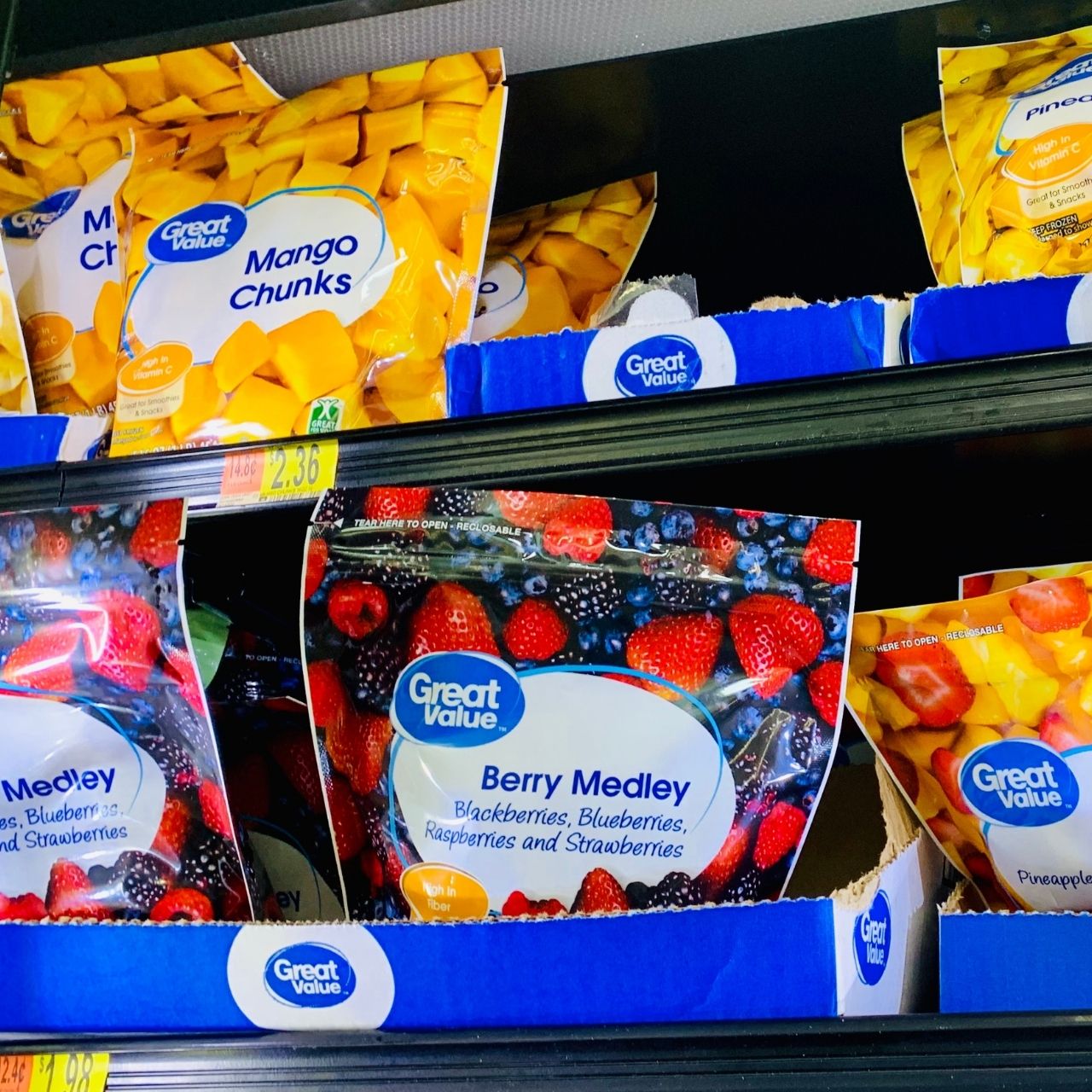
Rather than focusing on calories or trendy health claims plastered across packaging, experts recommend choosing foods that contain just one recognizable ingredient whenever possible. Think apples, eggs, oats, brown rice, plain Greek yogurt, almonds, salmon, or sweet potatoes.
While not every healthy food has to meet this rule, health professionals say using it as a starting point can naturally help you fill your cart with more nutrient-dense options.

Women Are Swapping Their Boring Water For This Ice Pop Electrolyte Mix!

The One-Ingredient Rule
The fewer ingredients a food contains, the closer it generally is to its natural state. Whole foods tend to provide vitamins, minerals, fiber, protein, and healthy fats without the added sugars, sodium, or preservatives often found in heavily processed products.
For example, an apple contains one ingredient—apple. Compare that to a fruit snack with corn syrup, artificial flavors, dyes, and preservatives, and the difference becomes obvious.
The rule isn't about eliminating convenience foods altogether. Instead, it's meant to encourage shoppers to build most of their meals around minimally processed ingredients.
Foods That Follow The One Ingredient Rule
A growing body of research suggests that whole, minimally processed foods offer significant benefits for weight management, blood sugar control, and gut health. One landmark National Institutes of Health (NIH) study led by Dr. Kevin Hall found that participants eating an ultra-processed diet consumed about 500 more calories per day and gained more weight than those eating a diet centered on whole foods—even though both diets contained similar amounts of calories, sugar, fat, fiber, and carbohydrates. Dietitians recommend stocking your kitchen with foods such as:
- Fresh or frozen fruit
- Vegetables
- Eggs
- Plain Greek yogurt
- Beans and lentils
- Brown rice
- Oats
- Nuts and seeds
- Fish
- Chicken breast
- Sweet potatoes
These foods naturally provide nutrients that support heart health, digestion, muscle maintenance, and steady energy levels. Experts also caution against following the rule so strictly that you skip perfectly healthy foods.
Nut butters made with just peanuts and salt, whole-grain bread with a short ingredient list, hummus, tofu, canned beans, frozen vegetables, and extra-virgin olive oil may contain more than one ingredient but are still considered nutritious staples. The goal isn't perfection—it's making whole foods the foundation of your diet.

The Bottom Line
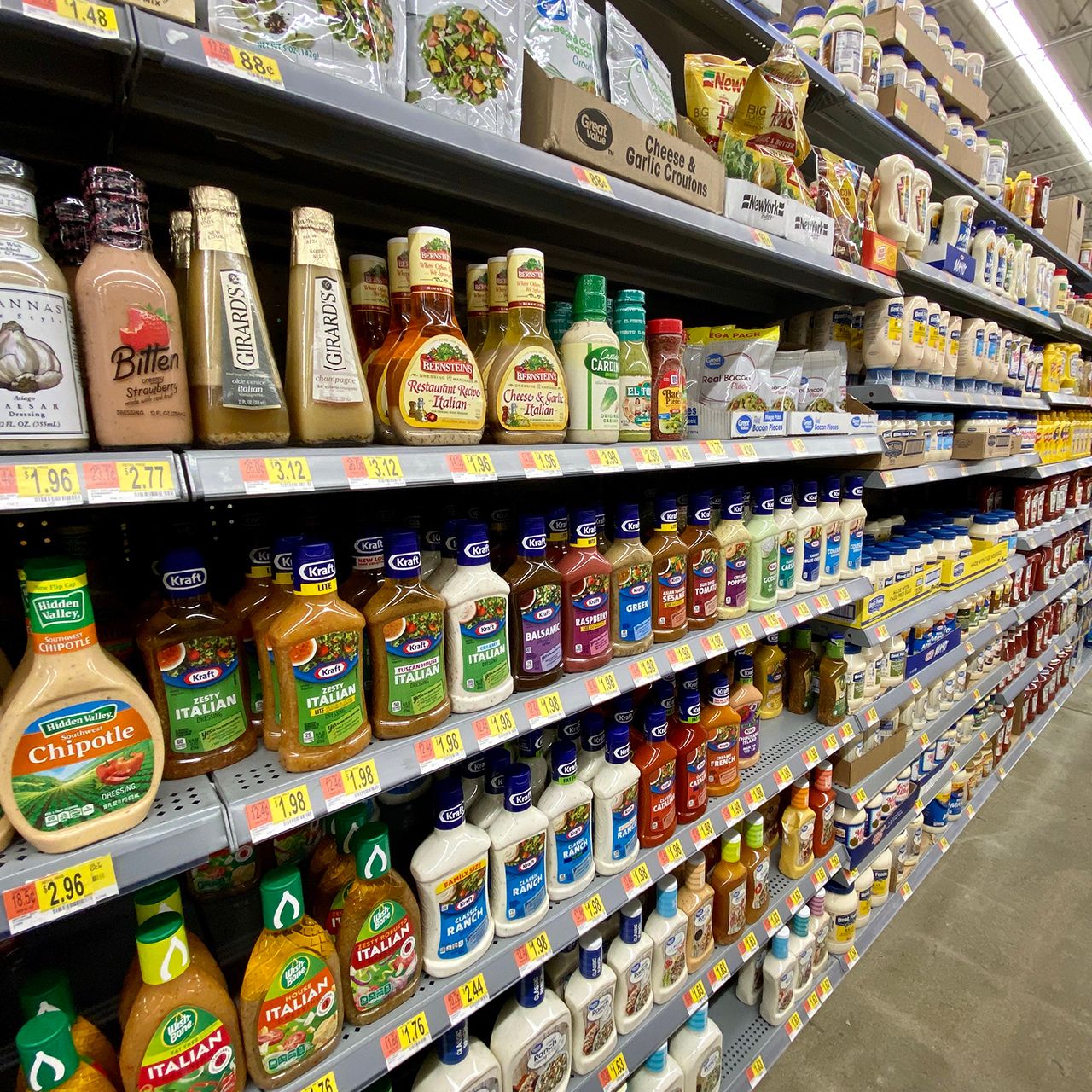
You've probably heard the advice to "shop the perimeter" of the grocery store, where produce, dairy, meat, and seafood are typically located. Dietitians say there's truth to that, but don't ignore the center aisles.
Healthy pantry staples like oats, quinoa, canned beans, spices, nuts, and olive oil are often found there. Instead of avoiding these sections, focus on reading ingredient lists and choosing products with simple, recognizable ingredients.
The one ingredient rule isn't a strict diet—it's an easy shopping strategy that encourages you to prioritize whole, minimally processed foods. By filling most of your cart with foods that contain just one ingredient (or only a handful of recognizable ones), you'll naturally build meals that are richer in fiber, protein, vitamins, and minerals without getting caught up in confusing marketing claims.
This article is for informational purposes only and should not be considered medical advice. Consult a healthcare professional or registered dietitian before making significant dietary changes, especially if you have an underlying health condition.