


When it comes to protecting your brain as you age, experts say what you eat may be just as important as staying physically active. While there’s no guaranteed way to prevent dementia, research suggests that following a brain-friendly eating pattern can help support cognitive health and potentially lower the risk of age-related decline.
One of the most well-researched approaches is the MIND diet, which was specifically designed to promote brain health.
According to Thomas Holland, MD, MS, the MIND diet has earned national recognition for its potential cognitive benefits.

Women Are Swapping Their Boring Water For This Ice Pop Electrolyte Mix!
What Is The MIND Diet?
Dr. Holland explains that the MIND diet was developed by researchers at Rush University Medical Center and has consistently ranked among the top eating plans for brain health.
"The MIND diet combines elements of the Mediterranean and DASH diets," he says.
Rather than focusing on calorie counting or restrictive eating, the diet emphasizes foods that have been associated with healthier brain aging while limiting foods linked to cognitive decline.
Foods To Eat On The MIND Diet
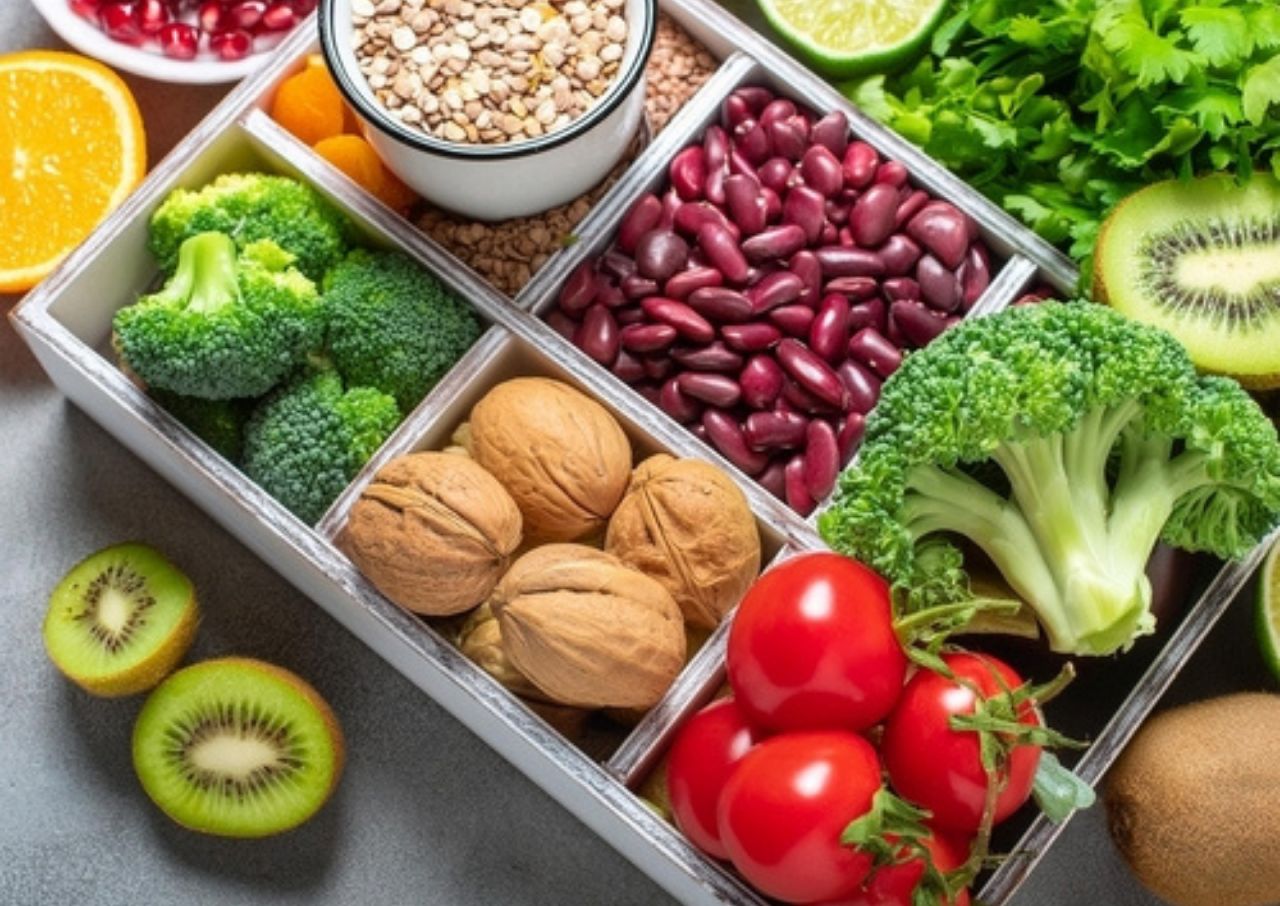
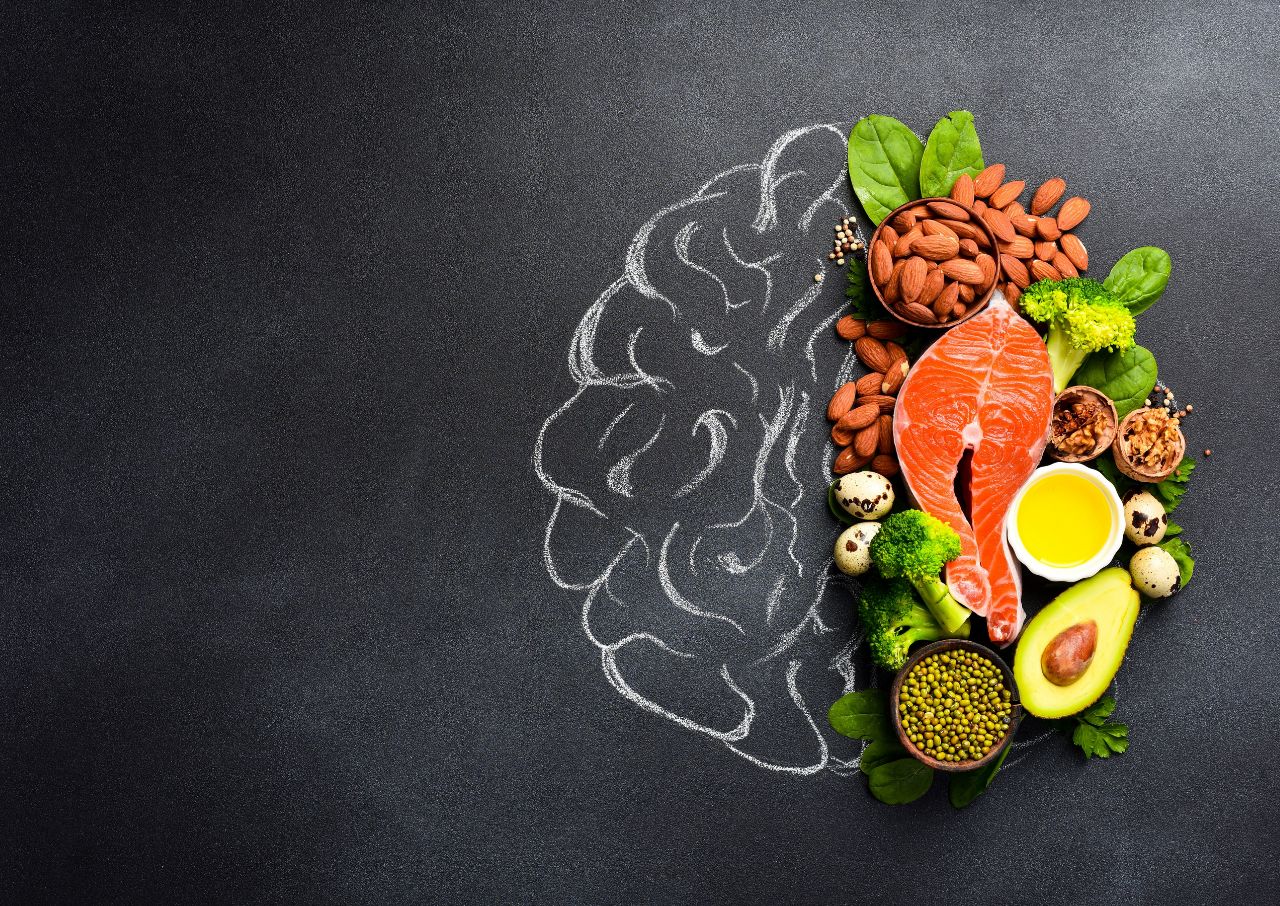
The MIND diet prioritizes nutrient-dense, anti-inflammatory foods that may help protect the brain over time. According to Dr. Holland, these include:
- Leafy green vegetables
- Other vegetables
- Berries
- Nuts
- Extra-virgin olive oil
- Whole grains
- Fish
- Beans and legumes
These foods are rich in antioxidants, healthy fats, vitamins, minerals, and plant compounds that support healthy blood flow and help combat inflammation and oxidative stress—two factors believed to contribute to cognitive aging.
Start With Leafy Greens
If you're new to the MIND diet, Dr. Holland recommends making one simple change first. "One simple way to start is by prioritizing dark, leafy greens such as spinach, kale, and collard greens, and working to include them in meals several times per week," he says.
Leafy greens provide nutrients like folate, vitamin K, and lutein, all of which have been linked to healthier brain function.
Swap Butter For Olive Oil
Another cornerstone of the MIND diet is replacing saturated fats with healthier unsaturated fats. Dr. Holland recommends limiting foods such as:
- Butter
- Heavy cream
- Cheese
- Fatty cuts of red meat
Instead, cook with extra-virgin olive oil, which is rich in heart-healthy monounsaturated fats and anti-inflammatory compounds.
Snack Smarter
The MIND diet also encourages incorporating brain-supporting snacks throughout the day. Dr. Holland suggests reaching for berries and nuts, both of which have been studied for their potential role in supporting memory and overall cognitive health. And if you're craving dessert?
"If you want a sweet treat, reach for dark chocolate with a higher cacao percentage," he recommends. Dark chocolate contains flavonoids, antioxidants that may help support healthy circulation—including blood flow to the brain.
Small Changes Can Make A Difference
You don't have to overhaul your entire diet overnight to begin supporting your brain. According to Dr. Holland, even modest adjustments can add up over time. "Even modest dietary changes, such as adding more leafy greens, choosing berries for fruit, or cooking with avocado or olive oil instead of butter can support cognitive health over time," he says.
The Bottom Line
While nutrition plays a key role, Dr. Holland emphasizes that brain health is influenced by multiple lifestyle habits working together.
He recommends pairing the MIND diet with:
- Regular physical activity
- Staying mentally engaged
- Maintaining social connections
- Managing stress
- Getting quality sleep
The MIND diet isn't about perfection—it's about consistently choosing foods that nourish your brain. By filling your plate with leafy greens, berries, whole grains, fish, beans, nuts, and healthy fats while cutting back on saturated fats, you may help support memory and cognitive function as you age.
Combined with exercise, good sleep, and an active lifestyle, these small dietary changes can become powerful long-term investments in your brain health.