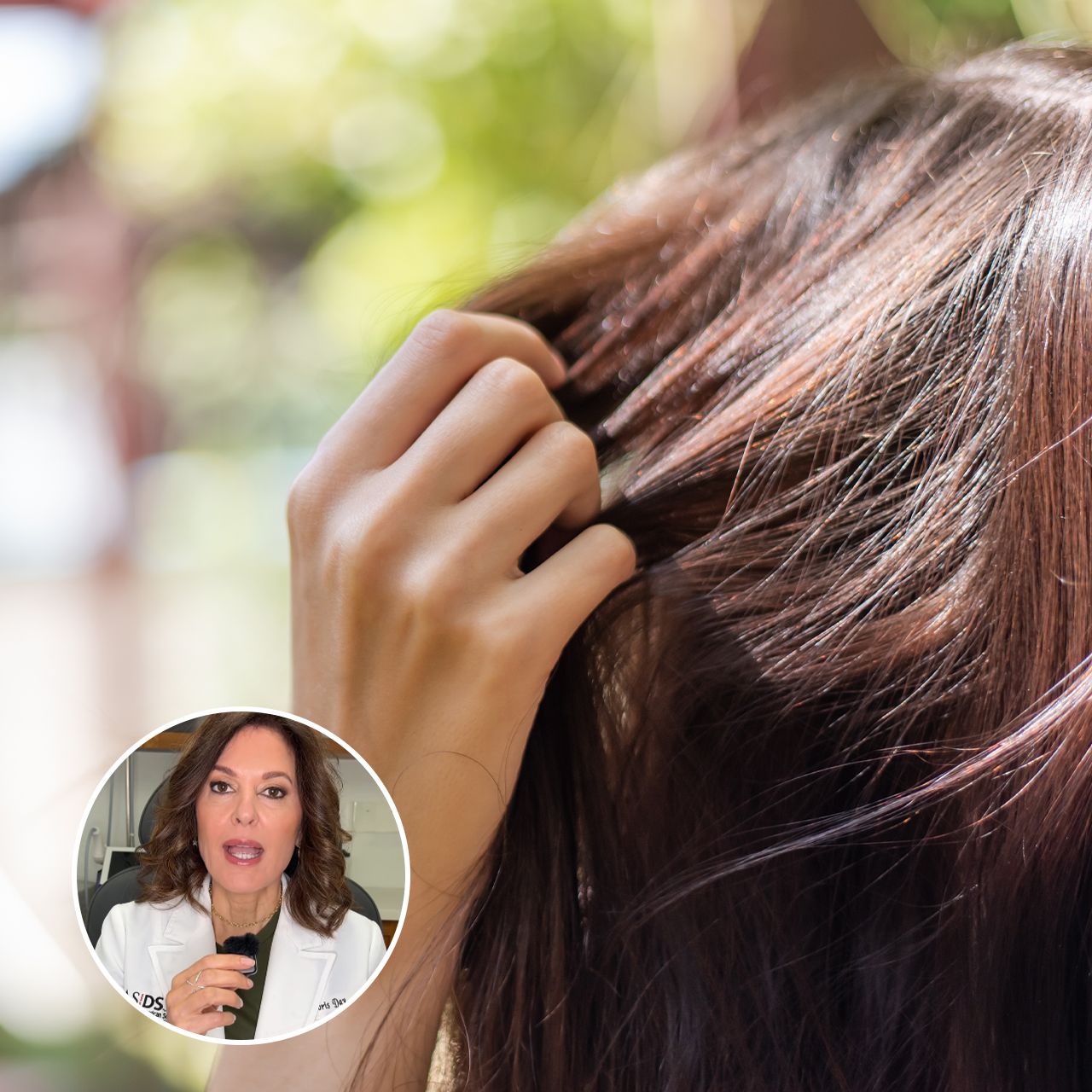



If you’ve been noticing more hair in your brush or shower drain lately, your diet could be playing a bigger role than you think. While stress and genetics are often blamed for hair loss, what you eat directly impacts the strength, growth, and overall health of your hair.
According to experts, several common diet mistakes can quietly trigger hair fall—often without you realizing it. The good news? Once you identify them, they’re relatively easy to correct.
Here are the most common nutrition-related habits that could be causing your hair to thin—and what to do instead.

Women Are Swapping Their Boring Water For This Ice Pop Electrolyte Mix!

1. Skipping Protein
Hair is primarily made up of keratin, a type of protein, which means your strands rely on adequate protein intake to stay strong and healthy. According to nutritionist and lifestyle coach Claudia Ciesla, when your diet lacks protein, your body prioritizes essential functions over hair growth, leading to weaker strands and increased shedding.
What to do instead: Incorporate protein-rich foods like eggs, Greek yogurt, lentils, chicken, and tofu into your daily meals to support stronger, thicker hair.

2. Extreme Calorie Cutting
Crash dieting might help you lose weight quickly, but it can also deprive your body of essential nutrients needed for hair growth. When your body is in a calorie deficit for too long, it shifts resources away from non-essential functions like hair production—resulting in noticeable hair fall.
What to do instead: Ciesla says to focus on balanced, sustainable eating rather than extreme calorie restriction to ensure your body gets the nutrients it needs.

3. Iron Deficiency
Low iron levels are one of the most common—and often overlooked—causes of hair loss, especially in women. Iron plays a crucial role in delivering oxygen to hair follicles, which is essential for growth and strength. When iron levels drop, hair follicles can weaken, leading to increased shedding and thinning.
What to do instead: Add iron-rich foods like spinach, red meat, lentils, and fortified cereals to your diet, and consider pairing them with vitamin C for better absorption.

4. Skipping Healthy Fats
Healthy fats are essential for maintaining a nourished scalp and shiny, resilient hair. Omega-3 fatty acids, in particular, help reduce inflammation and support overall hair health. Without enough healthy fats, your scalp can become dry, and your hair may appear dull and brittle.
What to do instead: Include sources of healthy fats like nuts, seeds, avocados, and fatty fish in your meals to promote a healthier scalp and stronger strands.

5. Eating Processed Snacks Like Potato Chips
Although the pleasure of consuming crispy, savory chips may be unparalleled, specialists in hair loss contend that indulging in processed snacks with high sugar and sodium levels is not conducive to maintaining healthy hair. “Chips are high in fat, which can lead to hair loss and other health conditions like heart disease,” Amr Salem, scalp micropigmentation specialist and hair expert at INKredible Scalp, warns. “When it comes to hair loss, the best thing you can do is avoid foods that are high in sugar and salt. These two ingredients are known to cause dandruff and hair loss.”
Yannis Giantzides, managing director at Harley Street Hair Transplant Clinics, concurs, and adds: “Essentially, higher blood sugar can lead to higher insulin levels, reduced SHBG levels, greater risk of DHT binding to hair follicles, and greater risk of hair loss-amidst other medical conditions.” Giantzides continues: “I would recommend a switch to products that contain steviol glycosides which are the ‘natural sugar substitute.’”
The bottom line
Healthy hair starts from within. By fueling your body with the right nutrients—and avoiding these common diet mistakes—you can help reduce hair fall and support stronger, more vibrant hair over time.