


Few haircuts have stood the test of time quite like the bob. Chic, versatile, and adaptable, it’s one of those rare styles that truly works across ages, hair textures, and face shapes. Whether you wear yours sleek and polished or soft and tousled, a well-cut bob has the ability to frame the face beautifully, add structure, and even make hair appear fuller and healthier. It’s no surprise it remains a go-to favorite for women looking for something both classic and modern.
But no haircut is completely foolproof. The difference between a bob that flatters and one that falls flat often comes down to subtle details like its length, layering, or even how it’s styled day to day. The good news is that most bob mistakes aren’t permanent and can be easily corrected with the right adjustments. Here are five of the most common bob mistakes—and how to fix them for a look that truly works for you.

Women Are Swapping Their Boring Water For This Ice Pop Electrolyte Mix!

1. Going Too Blunt
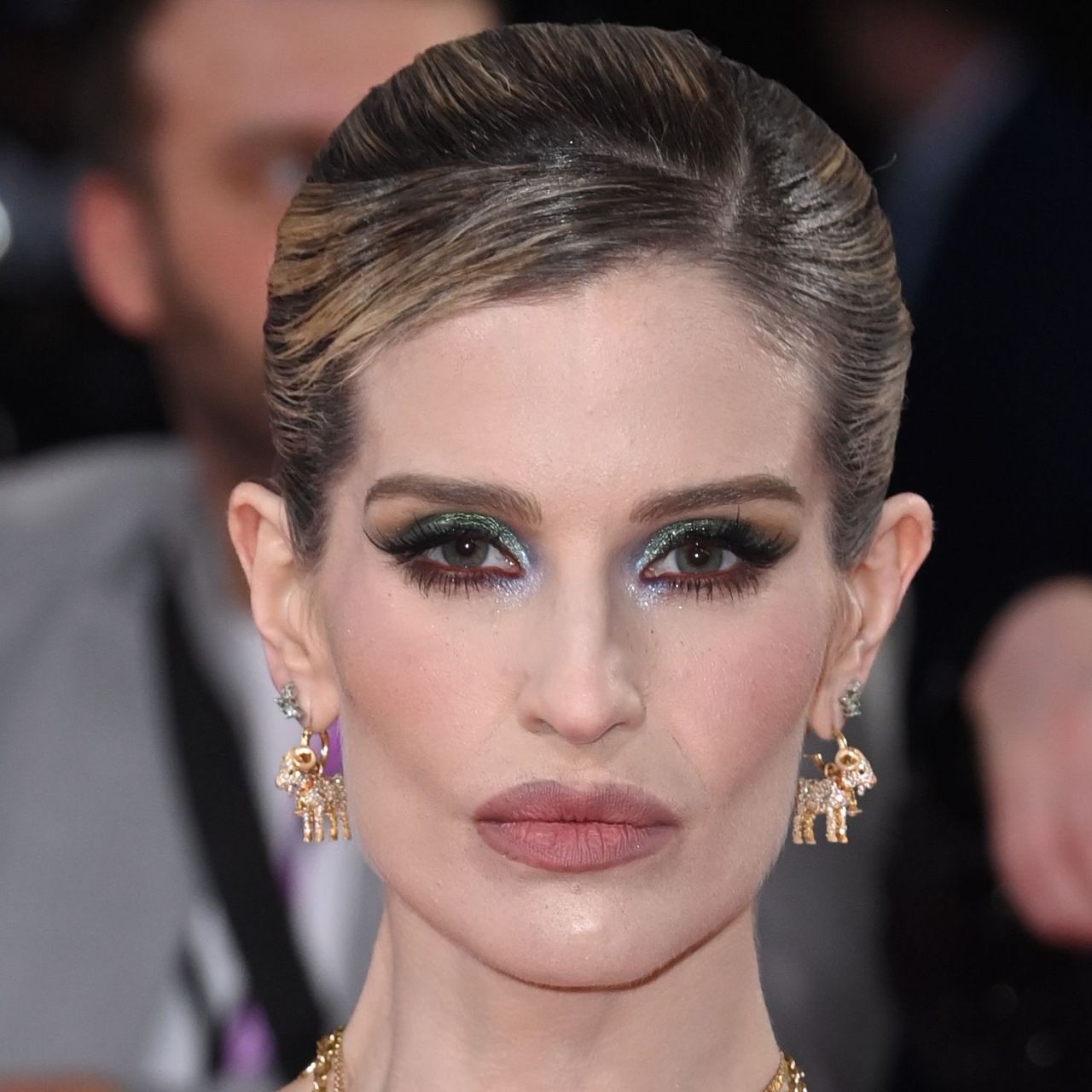
While a blunt bob can look sleek and modern, going too blunt—especially without any softening—can create a heavy, blocky shape that drags the face downward and emphasizes thinness in fine hair. It often lacks movement, which can make the style feel stiff or dated. The fix is to introduce subtle softness. Ask for invisible layers or light texturizing to break up the line while still maintaining that polished edge.

2. Choosing the Wrong Length for Your Face
Not all bob lengths flatter every face shape, and choosing the wrong one can throw off your proportions. For example, a cut that hits right at the widest part of your face can make it appear broader, while a length that’s too long or too short may not provide the lift or balance you’re looking for. The solution is to tailor the length strategically—chin-length for structure, slightly below the chin to elongate, or try a collarbone-length lob to soften and lengthen your overall look.

3. Skipping Face-Framing Layers
A bob without any face-framing can fall flat around the front, making the style look one-dimensional and less flattering. Without those softer pieces, the cut may not highlight your features or provide the lift and movement that keeps the look fresh. Adding subtle, face-framing layers or longer pieces around the front helps open up the face, draw attention upward, and create a better shape.

4. Too Flat and Stiff Bob
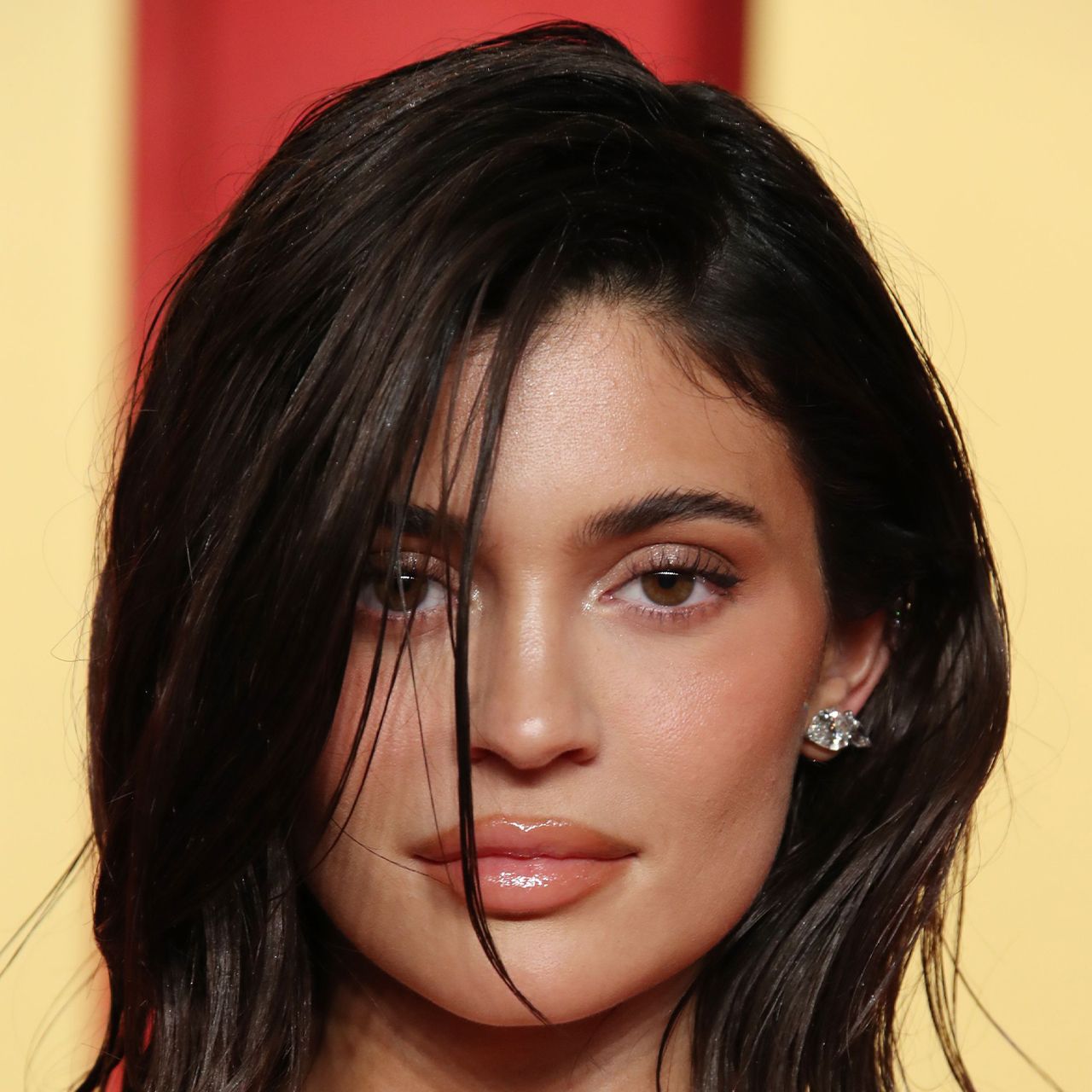
A bob that sits flat against the head with no movement can make hair look thinner and less lively, especially if you have fine or limp strands. Overly stiff styling or a lack of layering can also give the cut a rigid, outdated feel. The fix is to build in volume and flexibility with soft layers, a slight bend or wave when styling, or even a change in the way you part your hair to create natural lift at the roots.

5. Ignoring Texture and Density Changes
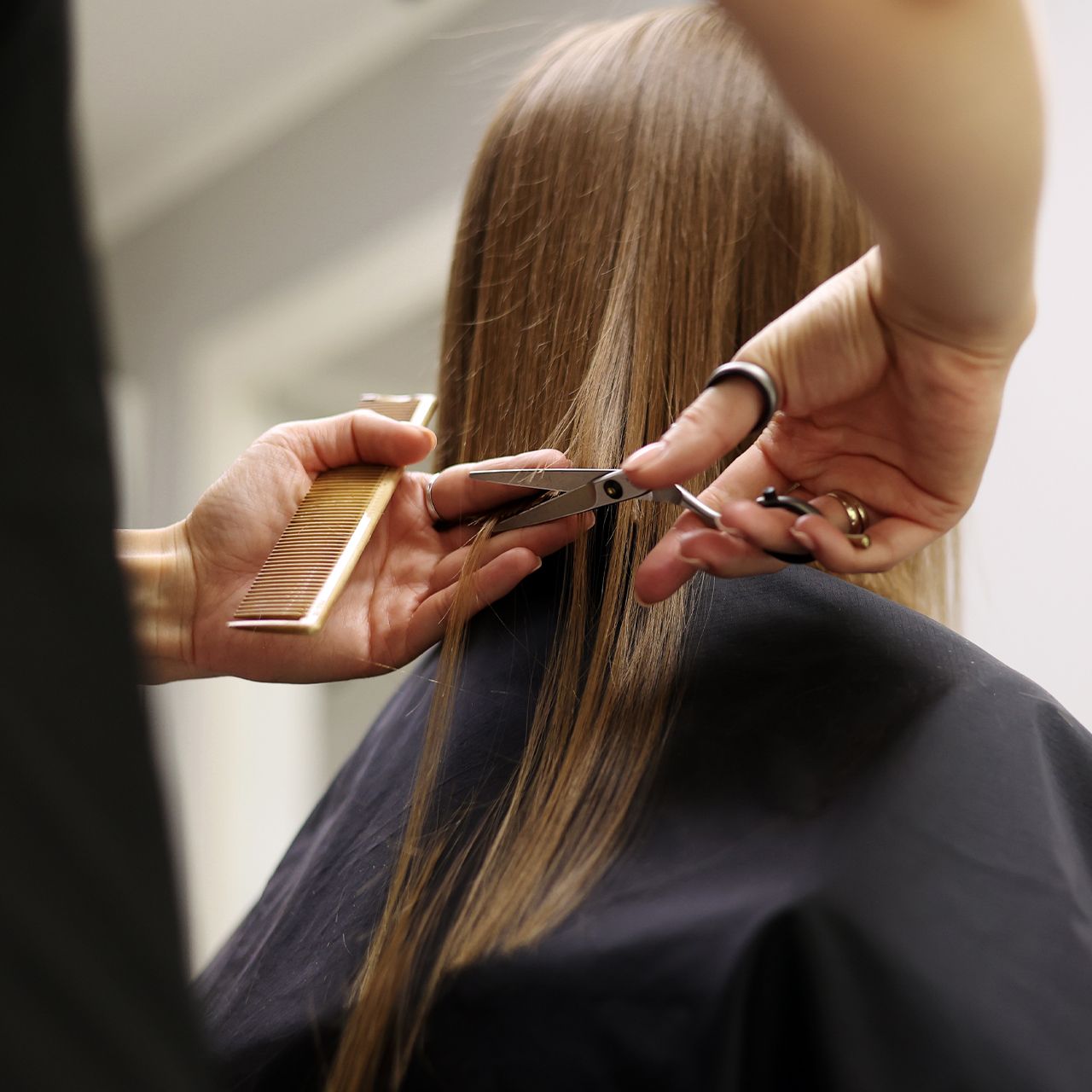
Hair naturally changes over time, becoming finer, coarser, or less dense, and a bob that doesn’t account for those shifts can end up looking unbalanced. A cut that worked years ago might now feel too heavy, too flat, or difficult to style. The key is customizing your bob to suit the hair texture you have now. A stylist who tailors the bob to how your hair behaves now—not how it used to—will create a much more flattering result.