



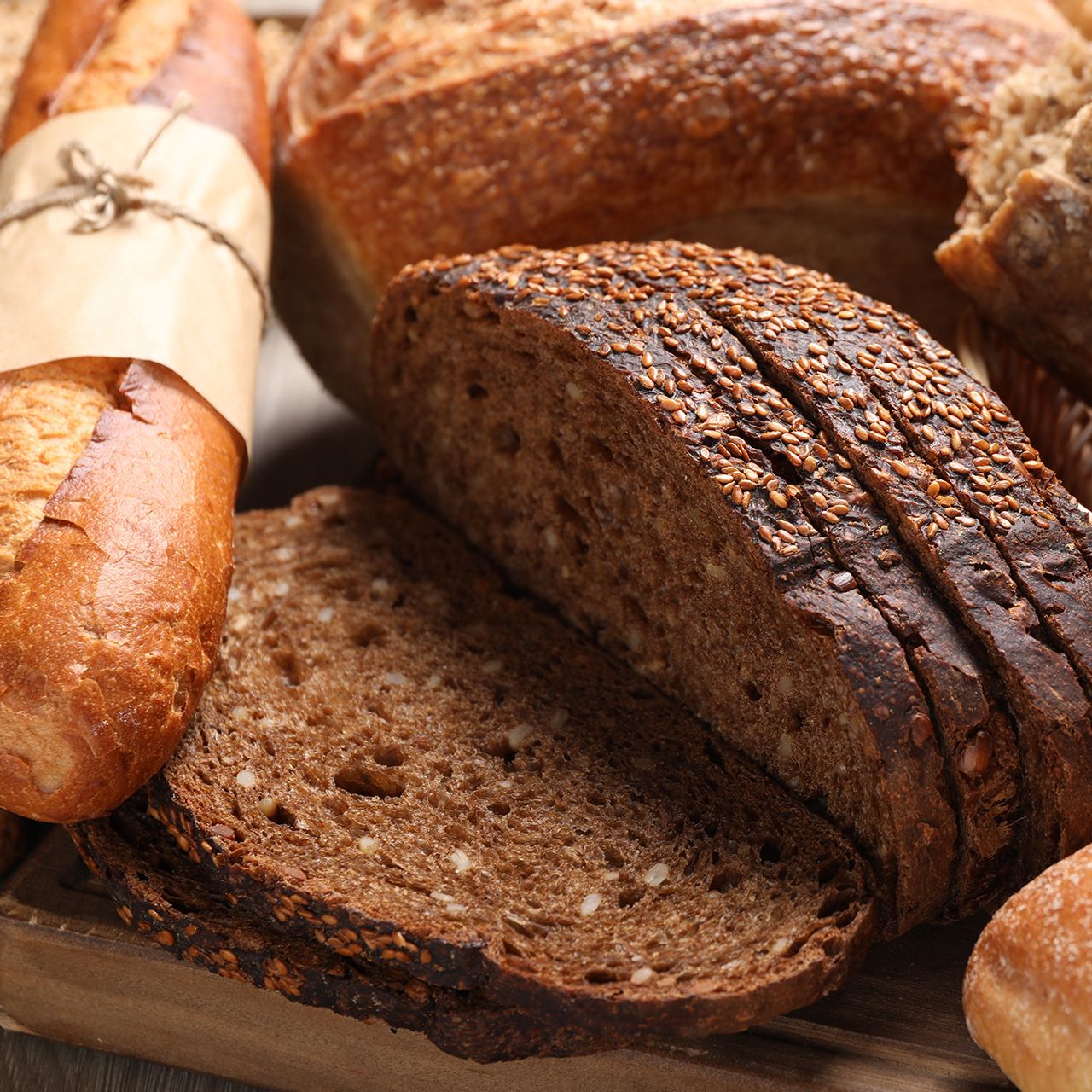
Bread can absolutely be part of a healthy diet, but not all loaves are created equal. Some varieties are packed with fiber, vitamins, and minerals that support digestive health and stable blood sugar levels, while others are made with heavily refined ingredients that can contribute to inflammation and weight gain. Experts say that choosing the right type of bread is especially important if you’re trying to reduce belly fat, improve gut health, or lower your risk of chronic disease. One of the biggest offenders? Traditional white bread, which is made from refined flour and offers little nutritional value compared to its whole-grain counterparts.

Women Are Swapping Their Boring Water For This Ice Pop Electrolyte Mix!

1. White Bread
When you go to the grocery store, there are endless variations of premade, sliced white sandwich bread waiting for you. It's often affordable and super easy to use in various recipes, from breakfast to dinner. However, while it may be a staple for some, it can easily cause inflammation throughout your body, especially your gut.
"White bread is typically made from refined, bleached flour that results in most of the nutrients being removed," says registered dietitian Destini Moody, RD, CSSD, LD at Live It Up. "One of these nutrients is fiber, which prevents the rapid blood sugar spikes that cause inflammation in the arteries."

Healthier Bread Choices To Eat Instead
If you're looking for a more nutritious alternative, experts recommend opting for breads that contain whole grains, fiber, and minimally processed ingredients.
100% Whole Wheat Bread is one of the easiest swaps. Unlike white bread, it contains the entire grain kernel, providing more fiber and nutrients that help slow digestion and keep blood sugar levels steady.
Sprouted Grain Bread is another excellent option. Made from grains that have begun to sprout, these breads often contain more bioavailable nutrients and may be easier for some people to digest. They also tend to have a lower glycemic impact than traditional white bread.
Sourdough Bread has gained popularity for good reason. The fermentation process helps break down some of the starches and may improve digestibility while supporting a healthier gut microbiome. Choosing a whole-grain sourdough can offer even more benefits.
Finally, Rye Bread is a fiber-rich alternative that may help increase feelings of fullness and reduce blood sugar spikes. Studies suggest rye can be more satisfying than refined wheat bread, making it a smart choice for those trying to manage their weight.
Bottom Line
While enjoying white bread occasionally isn't likely to derail your health goals, eating it regularly may contribute to inflammation, blood sugar fluctuations, and excess belly fat due to its lack of fiber and nutrients.
Choosing higher-fiber options like whole wheat, sprouted grain, sourdough, or rye bread can help support digestive health, improve satiety, and promote more stable energy levels throughout the day. Small swaps at mealtime can add up to significant benefits for both your waistline and your long-term health.