




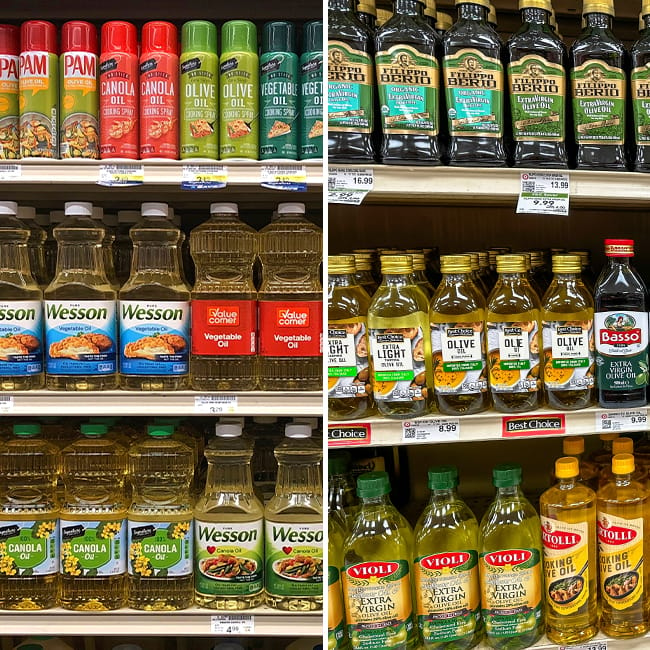
Cooking sprays have long been marketed as a convenient, low-calorie way to keep food from sticking to pans. But according to some health experts, not all cooking sprays are created equal—and what’s inside the can may be worth a closer look.
Recently, wellness influencer and FlavCity founder Bobby Parrish sparked a conversation online when he urged shoppers to rethink traditional aerosol cooking sprays. In a viral video, Parrish argued that many popular sprays contain highly processed oils and chemical additives that may not be ideal for long-term health.
While some of his claims are debated among nutrition experts, his broader recommendation—to choose minimally processed oils like olive oil or avocado oil whenever possible—aligns with advice from many registered dietitians.

Women Are Swapping Their Boring Water For This Ice Pop Electrolyte Mix!

What's In Traditional Cooking Sprays?
According to Parrish, one concern is the use of propellants, which help spray the oil evenly from the can. Some aerosol cooking sprays use food-grade propane, butane, or similar gases to create the spray mechanism.
He also pointed to additives such as dimethyl silicone, an anti-foaming agent commonly used in food manufacturing to improve texture and performance. Regulatory agencies consider food-grade dimethyl silicone safe for consumption in approved amounts, but some consumers prefer to avoid products with additional ingredients when simpler alternatives are available.
Another concern Parrish raised is the oil itself. Many conventional cooking sprays contain canola oil, soybean oil, or blends of refined vegetable oils.
While these oils are widely used and considered safe by major health organizations, some nutrition experts recommend prioritizing less processed fats when possible.
Why Some Experts Prefer Olive Oil
When it comes to reducing inflammation, extra-virgin olive oil consistently ranks among the most recommended cooking fats.
Olive oil is rich in monounsaturated fats and polyphenols, plant compounds that have been linked to lower levels of inflammation and improved heart health.
It's also a key component of the Mediterranean diet, one of the most extensively researched eating patterns for longevity and disease prevention. "Using olive oil instead of highly refined oils is one simple swap that can support overall health," many dietitians note, especially when the oil remains minimally processed.
Parrish specifically recommends choosing spray products that contain only one ingredient, such as:
- Extra-virgin olive oil
- Avocado oil
- Coconut oil
These products are often available in non-aerosol pump bottles or sprays that don't rely on chemical propellants.

Does Canola Oil Cause Inflammation?
This is where the debate becomes more nuanced. Although canola oil is sometimes criticized online as being "inflammatory," many registered dietitians point out that research does not conclusively support that claim. In fact, some studies suggest canola oil may have neutral—or even beneficial—effects on heart health when used in place of saturated fats.
The bigger concern for many nutrition professionals isn't necessarily canola oil itself, but the fact that ultra-processed foods often contain large amounts of refined oils, added sugars, and sodium, all of which may contribute to inflammation when consumed in excess.
A Simple Rule For Choosing Healthier Oils
Rather than focusing on a single ingredient, experts generally recommend reading labels and choosing products with shorter, simpler ingredient lists. If your cooking spray contains only olive oil or avocado oil, you're likely getting a less processed product than one made with oil blends, propellants, and additives.
For many health-conscious shoppers, the easiest upgrade may be swapping conventional cooking sprays for a refillable oil mister filled with extra-virgin olive oil.
The bottom line? While traditional cooking sprays aren't necessarily dangerous, experts agree that opting for minimally processed oils like olive oil can be a simple way to support a more anti-inflammatory diet.