




Heart disease remains the leading cause of death in the U.S., and what you eat on a regular basis plays a major role in your risk. While many foods are marketed as comforting, indulgent, or even “protein-packed,” nutrition experts warn that some common staples can quietly clog arteries, raise cholesterol, and promote weight gain over time. According to registered dietitian nutritionist Lisa Andrews, these four foods are especially problematic for heart health.

Women Are Swapping Their Boring Water For This Ice Pop Electrolyte Mix!

1. Fried Chicken
Chicken often has a healthy reputation, but that changes completely once it’s battered and dropped into hot oil. “Chicken is usually considered one of the leanest sources of protein. But, fried chicken is not,” Andrews warns. She explains that fried chicken is “not only battered, dipped, and fried, but the cholesterol- and fat-containing skin is usually left on the chicken pieces before it's batter-dipped and fried.”
The numbers add up quickly. “A 4 oz. piece of fried chicken breast has nearly 300 calories and 15 grams of fat plus over 300 mg of sodium,” Andrews says. It also contains about 4 grams of saturated fat, which is known to raise LDL (“bad”) cholesterol and contribute to plaque buildup in arteries. Regularly eating fried chicken can make it harder to maintain a healthy weight while increasing cardiovascular risk.

2. Cheeseburgers
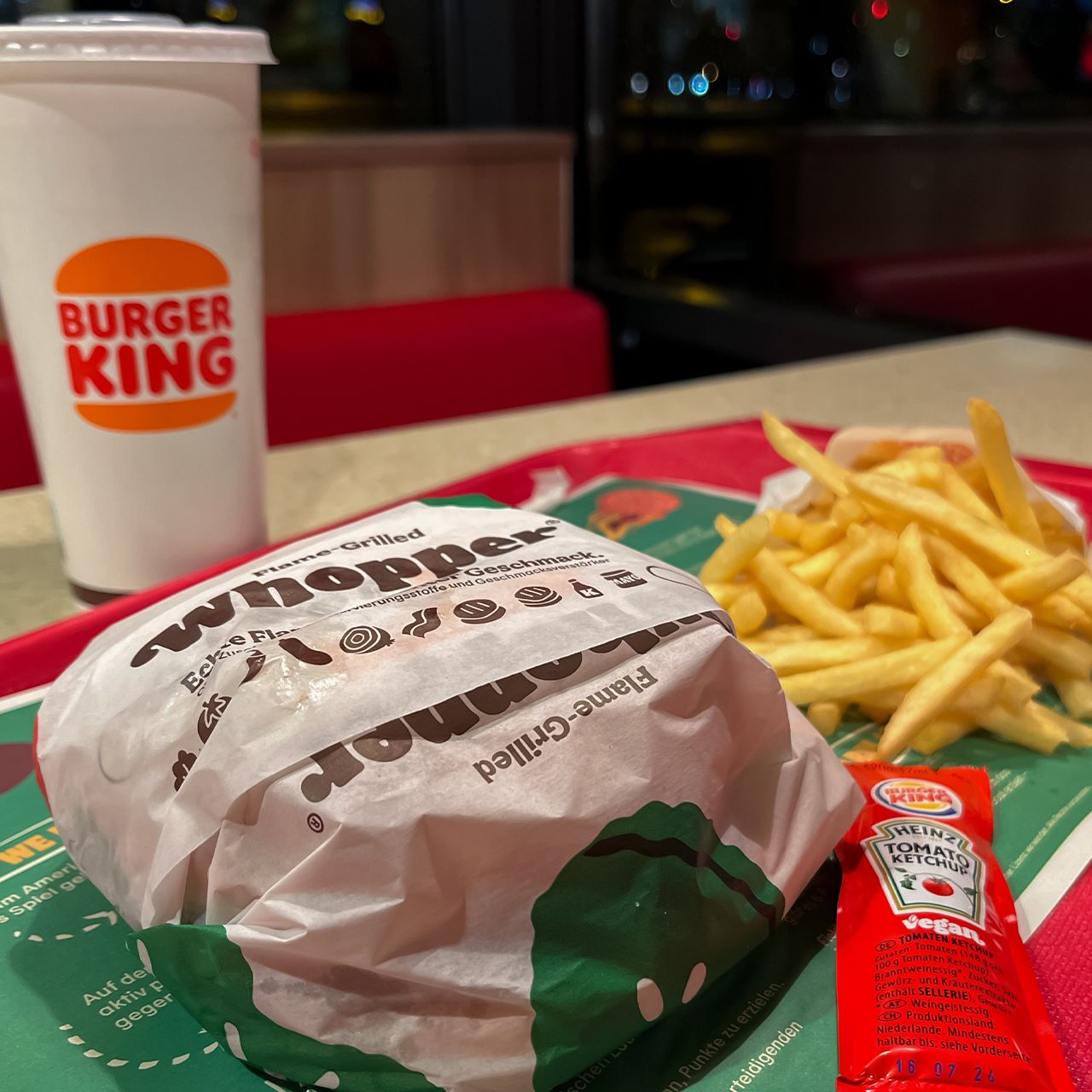
Cheeseburgers are another classic comfort food that nutritionists say can wreak havoc on heart health. “Most traditional cheeseburgers are made with cheap ground beef, which tends to be higher in fat and calories than lean ground beef,” Andrews explains. When you add high-fat cheese and place it all on a refined white bun, the meal becomes “a disaster for your heart health and waistline.”
She also points out that common toppings don’t help matters. “Adding ketchup (a source of sodium) doesn’t help,” Andrews says. The combination of saturated fat, refined carbohydrates, and sodium can drive inflammation, contribute to weight gain, and increase the risk of high cholesterol and heart disease when eaten frequently.

3. Italian Sausage
Even foods tied to cultural traditions aren’t off-limits when it comes to expert criticism. “Despite my Italian heritage, I have to throw sausage under the bus,” Andrews admits. She explains that sausage is often made from fatty scraps of pork or beef left over after processing. “These are usually high-fat, low-quality cuts of protein with little meat left in the mix,” she says.
On top of that, sausage is typically loaded with sodium. Andrews notes that this “doesn’t do your blood pressure any favors,” making it a double hit to heart health. Regular consumption can contribute to arterial stiffness, water retention, and unwanted weight gain.

4. Processed Snack Foods (Like Chips and Crackers)
While not always thought of as “artery-clogging,” highly processed snack foods are another major concern for nutritionists. Chips, crackers, and similar packaged snacks are often made with refined grains, added sugars, and inflammatory oils. These ingredients can spike blood sugar, promote fat storage, and increase systemic inflammation — all of which strain the heart over time.
Because these foods are low in fiber and protein, they’re easy to overeat, making weight gain more likely. When excess weight is combined with high sodium and unhealthy fats, the result can be elevated blood pressure and cholesterol levels.
The Bottom Line
Nutritionists emphasize that heart health isn’t about perfection — it’s about patterns. Foods like fried chicken, traditional cheeseburgers, Italian sausage, and processed snacks may be fine as rare indulgences, but eating them regularly can seriously undermine cardiovascular health and make weight management harder. Choosing lean proteins, whole grains, fruits, vegetables, and healthier fats most of the time can go a long way toward protecting your heart and supporting long-term health.