



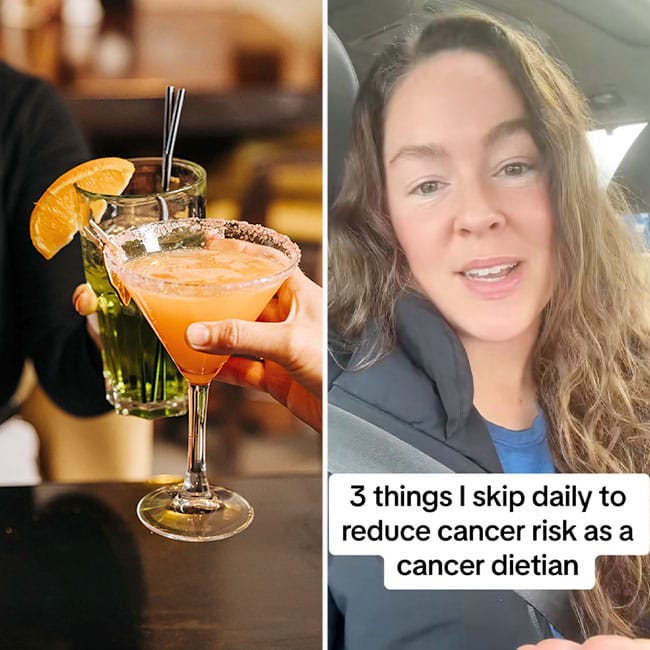
When it comes to cancer prevention, advice from someone who works directly with patients can be especially powerful. That’s why oncology dietitian Nichole, who has over 12 years of experience helping cancer survivors before, during, and after treatment, is sharing three things she personally avoids—because they’ve been linked to higher cancer risk.
“I help cancer survivors during and after cancer treatment,” Nichole explains. “These are three things I don’t do as a cancer dietitian.”
@oncology.nutrition.rd Link in bio to apply to 1:1 coaching! #cancerwarrior#cancerfighter #oncology #breastcancersurvivor #cancerresearch #chemotherapy #chemo #cancerpatient #oncologist #oncologista #breastcancerprevention #breastcancerjourney #lungcancerawareness #bravetheshave #lymphomaawareness #livercancer #kidneycancer #prostatecancerawareness #radiationtherapy #hormonetherapy #sarcomaawareness #cancercare#cancermeme#cancerprevention#cancersupport#cancersurvivors #cancertreatment#breastcancerfree #breastcancerfighter original sound – Nichole | Oncology Dietitian
1. She Completely Avoids Alcohol
Nichole is firm on this one: “I omit all alcohol from my life.”
While alcohol is often normalized in everyday culture—think happy hours, social events, and even “mommy wine” memes—Nichole warns that every type of alcohol contains ethanol, which is known to increase the risk of six different types of cancer, including breast, liver, and colorectal cancers.
“Nope. All alcohols have ethanol,” she says. “It increases the risk for six cancers. I do not drink alcohol.”

Women Are Swapping Their Boring Water For This Ice Pop Electrolyte Mix!

2. She Never Takes Supplements Without Her Doctor’s Guidance
Another thing Nichole avoids? Random supplements.
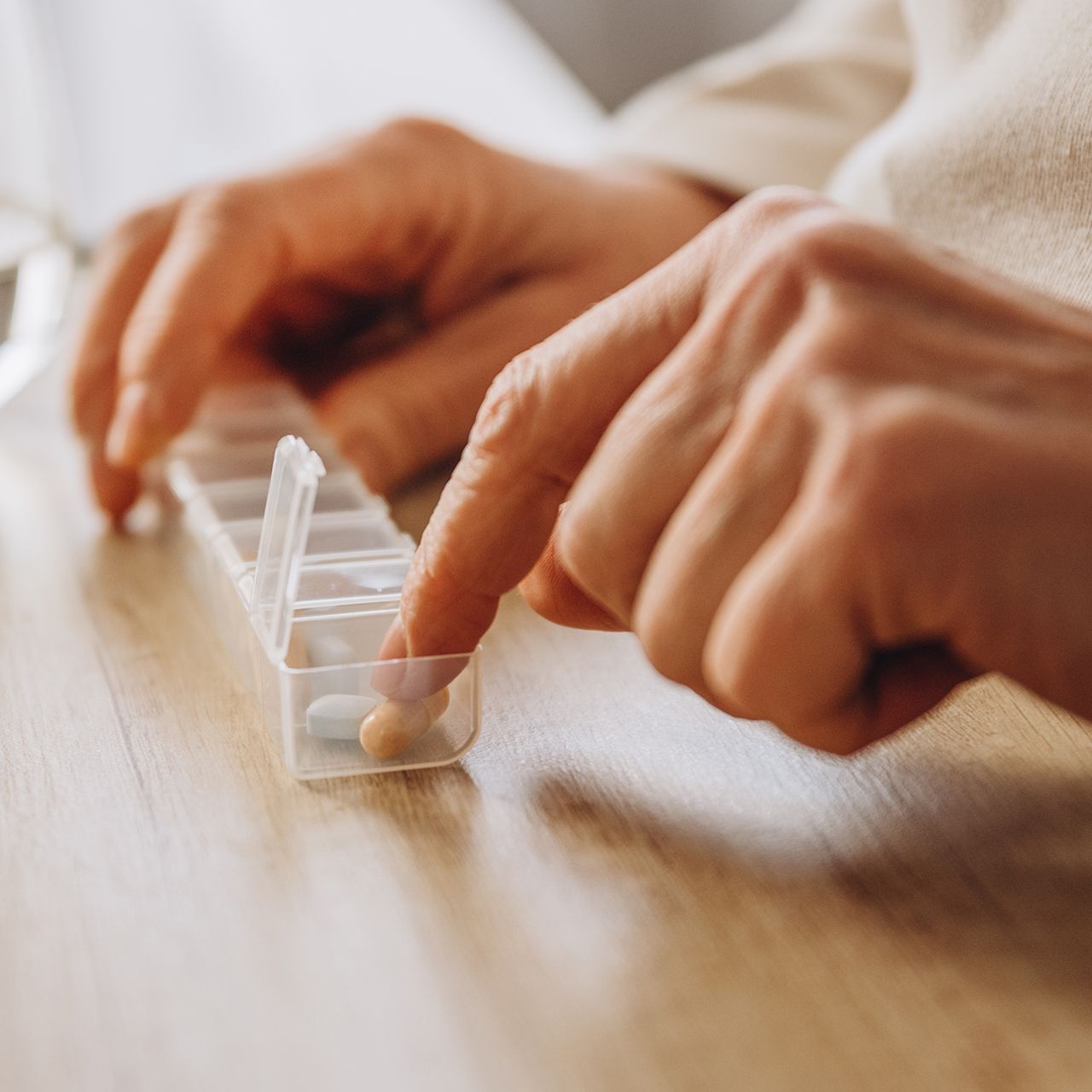
“I do not take any supplements unless my doctor recommends it,” she says. Instead, she focuses on getting nutrients from whole foods, not pills. While it might seem like taking high-dose vitamins could offer protection, she cautions that certain supplements in excess can actually increase cancer risk, rather than reduce it.
“Do not seek out supplements to reduce cancer risk,” she says. “Because in fact, high doses of supplements can increase cancer risk.”

3. She Avoids Processed Meats
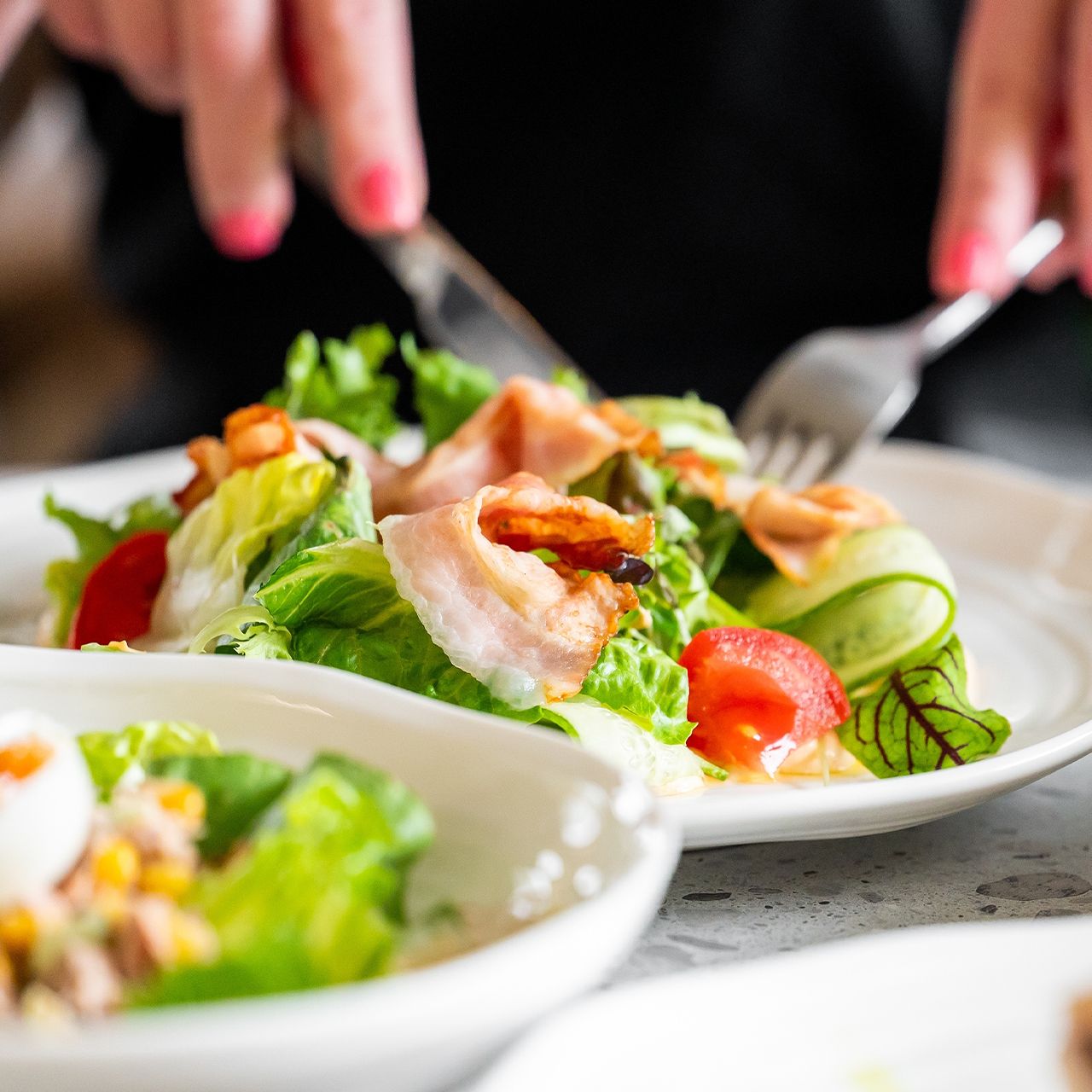
Nichole also highlighted the connection between processed meats and colon cancer. Foods like bacon, sausages, and deli meats are classified by the World Health Organization as Group 1 carcinogens—meaning there’s strong evidence they increase cancer risk.
“Processed meats do increase risk for colon cancer,” she says, pointing to the importance of being mindful of what ends up on your plate.
The Bottom Line
Nichole's approach is rooted in science and years of firsthand experience with cancer patients. Her rule of thumb? Stick with real, whole foods, avoid unnecessary risks, and always talk to a trusted medical provider before making changes to your health routine.
“Cancer prevention isn’t about fear,” she says. “It’s about informed choices.”