





Women Are Swapping Their Boring Water For This Ice Pop Electrolyte Mix!

1. Low-Fat Yogurt
Yogurt is typically a healthy staple—but the low-fat flavored versions can be misleading.
"Yogurt naturally contains fat from milk and cream, so when that fat is reduced or removed, manufacturers often add sugar, thickeners, and flavorings to compensate for the loss of richness," Link explains. In fact, many flavored low-fat yogurts contain 20 to 25 grams of added sugar, which can be as much as a candy bar and push you close to (or over) your daily recommended limit.
She adds that without fat to slow digestion, "these added sugars and refined carbs lead to rapid spikes in glucose and insulin levels," which over time can contribute to inflammation and increased cardiovascular risk.
Instead, opt for plain, full-fat Greek yogurt. It’s lower in carbohydrates, digests more slowly, and helps keep blood sugar levels steady. Add natural sweetness with fresh fruit or a sugar-free option like stevia or monk fruit.

2. Low-Fat Salad Dressings
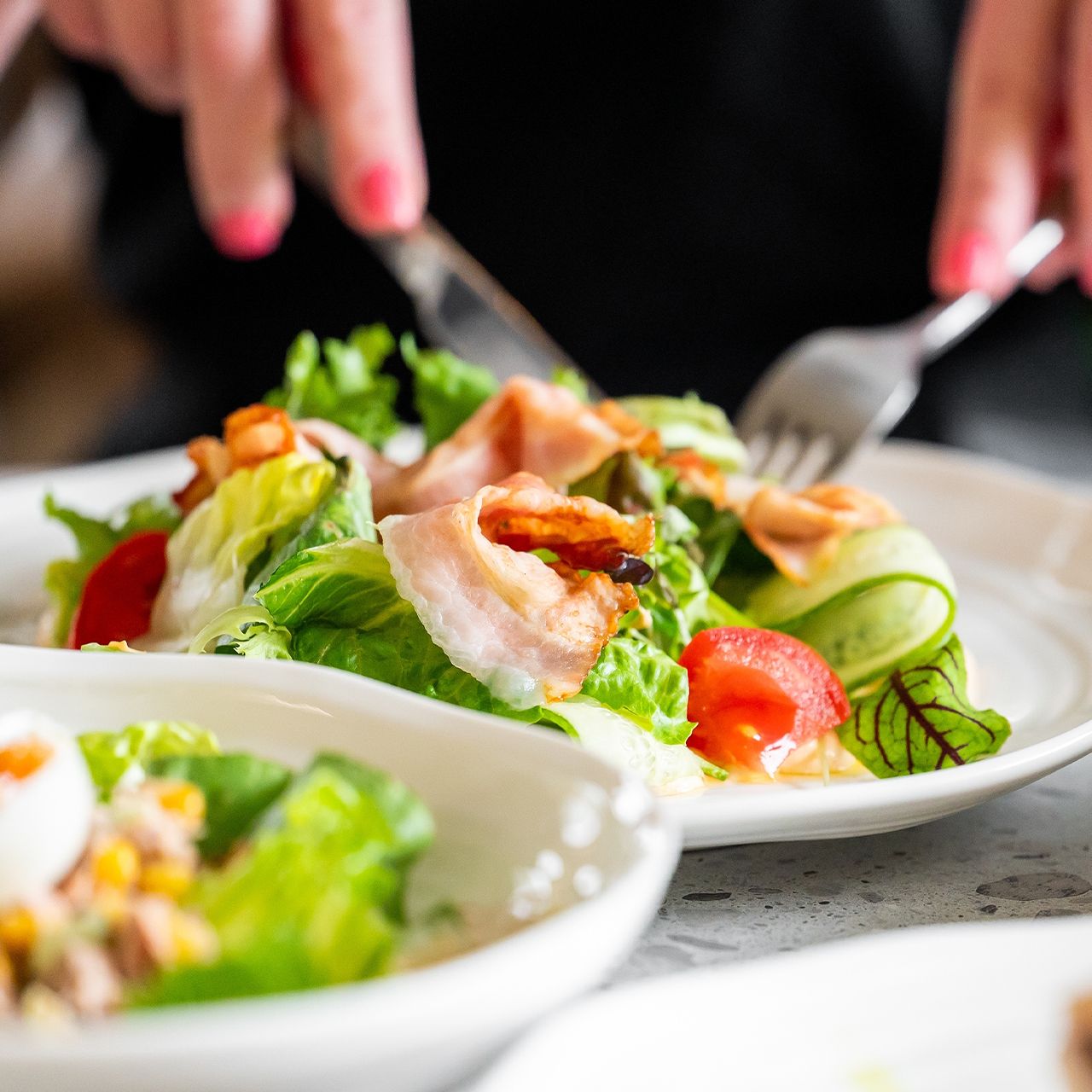
Salad is often a heart-healthy choice, but the dressing you choose can make all the difference.
"Dressings are typically an emulsion of oil and vinegar," Link says. "But like yogurt, dressings lose both flavor and texture when fat is removed, so food companies often add sugars, thickeners, and stabilizers to compensate."
These added carbohydrates can spike blood sugar and insulin levels, and frequent spikes "promote inflammation when consumed regularly, damaging metabolism and raising risk for cardiovascular disease over time."
For a better option, choose full-fat dressings made with heart-healthy oils like olive oil or avocado oil. Even better, make your own with simple ingredients like olive oil, lemon juice, salt, and pepper.

3. Low-Fat Breakfast Cereals
Even cereals labeled as "whole grain" or "heart healthy" and "low fat" could be a problem.
"Breakfast cereals are very high in carbohydrates, often making up over 75% of their calories," Link notes. And without enough fat or protein to balance things out, even healthier-sounding options can cause "rapid increases in blood glucose and insulin levels." Over time, these repeated spikes can lead to metabolic stress and increase cardiovascular risk.
It might be best to skip cereal altogether. Choose lower-carb options like homemade granola made with nuts, seeds, and unsweetened coconut. For a warm option, try chia seed pudding without added sugar.
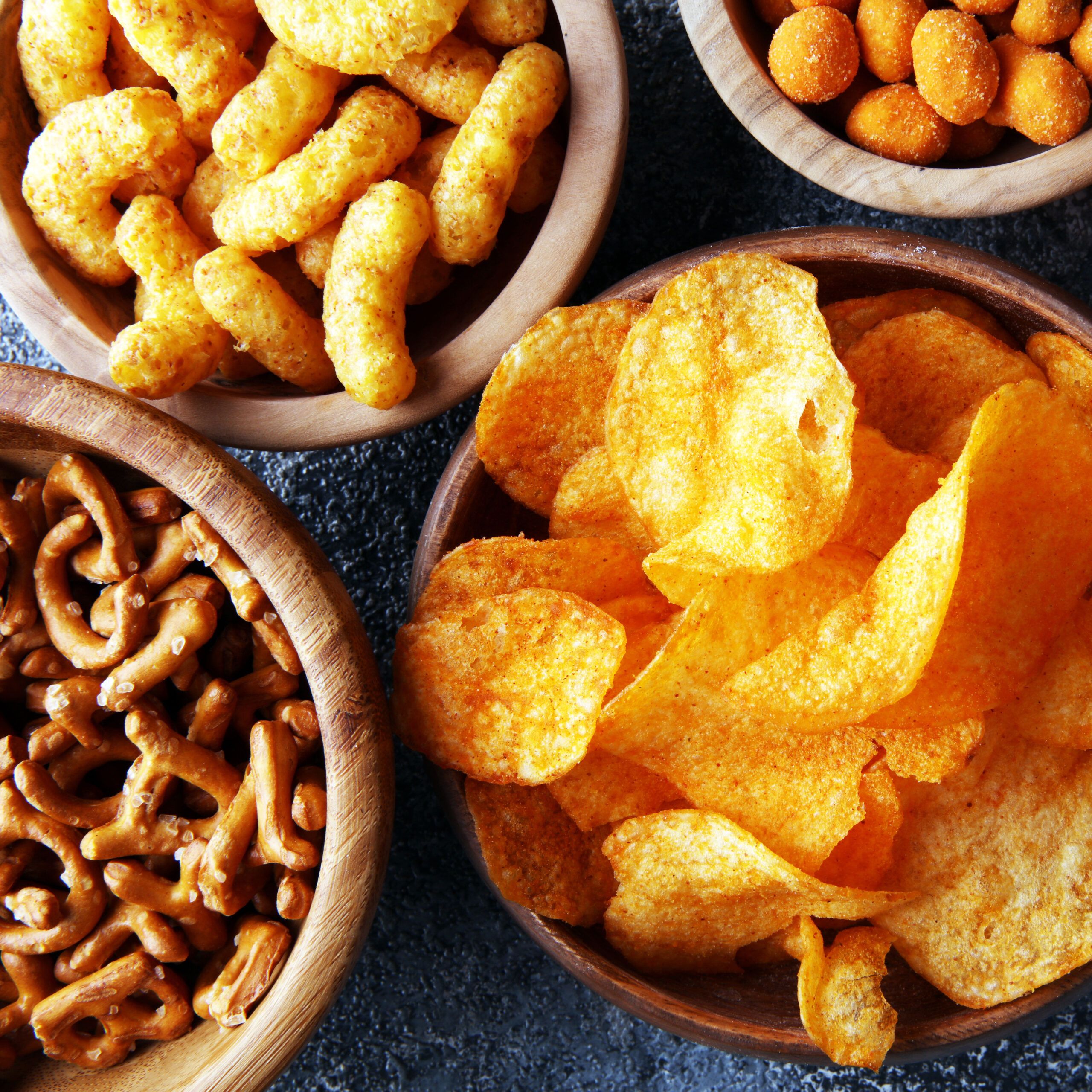
4. Low-Fat Salty Snacks Like Crackers
Low-fat versions of your favorite processed salty treats, like crackers, may seem like a lighter snack—but they’re often little more than refined carbs and salt, which isn't great for your heart.
"These products are designed to be highly palatable," Link explains, "combining refined carbohydrates with salt and a crunch that make them easy to overconsume." They’re also typically low in nutrients like fiber, vitamins, and minerals.
Without fat or fiber to slow digestion, they break down quickly into glucose, causing sharp blood sugar spikes and inflammatory responses, similar to other low-fat processed foods.
It's smarter to reach for snacks that include healthy fats and protein, like nuts or cheese crisps. These options help keep you fuller longer and support more stable blood sugar levels.
The Bottom Line
Ultimately, low-fat doesn’t always mean heart-healthy. In many cases, removing fat leads to the addition of sugar and refined carbs—ingredients that can disrupt blood sugar, increase inflammation, and negatively impact your cardiovascular health over time.
Instead of focusing solely on fat content, experts recommend prioritizing whole, minimally processed foods with balanced macronutrients. When it comes to protecting your heart, it’s less about cutting fat and more about choosing the right kinds.