



When it comes to protecting your heart, what you eat every day matters more than you might think. While most people focus on adding “healthy” foods to their plate, experts say it’s just as important to recognize the everyday diet habits that could quietly be doing damage over time. From overloaded morning coffee to skipping meals altogether, some seemingly harmless routines can increase your risk of serious conditions like high blood pressure, clogged arteries, and even heart disease.
The good news? Many of these mistakes are easy to fix once you know what to look for. Ahead, health experts break down the six worst diet habits that could be putting your heart at risk.

Women Are Swapping Their Boring Water For This Ice Pop Electrolyte Mix!

1. Excessive Sweetener In Your Coffee
Although many people enjoy a hot cup of joe each morning–whether out of ritual or because they need the caffeine–there are a few coffee habits you should be wary of if you’re concerned about your heart health. It’s important to be careful about the ingredients you’re adding to your mug; as it turns out, loading it with sugar or other sweeteners can be detrimental to your heart.
"Increased dietary sugar consumption is known to increase risk of cardiovascular disease including coronary heart disease (angina & heart attack) and cerebrovascular disease (stroke); although artificial sweeteners were developed as a healthier, lower calorie alternative to sugar, they appear to carry significant risks themselves in the development of the same conditions that are associated with high sugar intake," Dr. Nick West, a cardiologist and Chief Medical Officer & DVP of Global Medical Affairs of Abbott’s vascular business, warns.

2. Too much sodium
Eating too much salt is never a good idea for your health—especially when it comes to your heart. Sodium is another major culprit that can lead to clogged arteries, high cholesterol, and heart disease, cardiologist Dr. Michael Ross MacDonald warns. "Limiting excessive sodium intake from processed and packaged foods is also crucial, as it can contribute to high blood pressure," he says.

3. Refined carbs and sugar
As delicious as they can be, Dr. MacDonald also says that you should limit your intake of refined carbs and processed sugars as much as possible if you want to keep your heart healthy.
"Consuming refined carbohydrates such as pasta and bread as well as sugary drinks like processed fruit juices and sodas can lead to weight gain, diabetes, and higher heart disease risk," he warns. It's no secret that both carbs and sugar can have serious consequences on your wellbeing, and that includes your heart health.

4. Skipping Breakfast or Just Grabbing Sugar
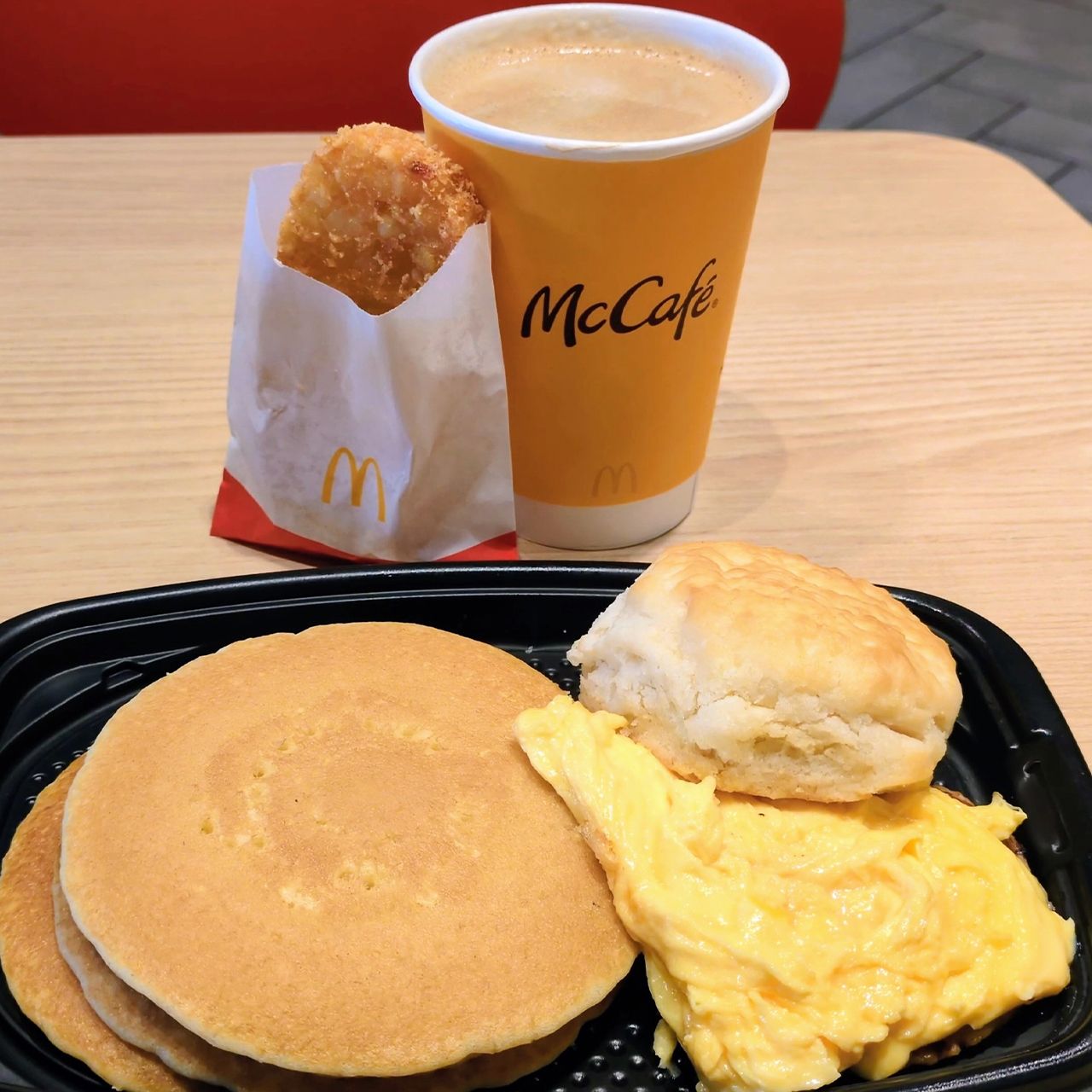
Rushing out the door without eating or relying on sugary on-the-go breakfasts might save you time (and taste great), but it can backfire on your heart. Dr. Michael Genovese, MD, Chief Medical Advisor at AscendantNY, explains that skipping breakfast or eating only sugar "leads to insulin swings which strain blood vessels." To avoid these blood-sugar rollercoasters, he recommends starting the day with a healthy breakfast that gives you a balance of protein, fiber, and healthy fats. Greek yogurt with fruit, eggs with whole-grain toast, or overnight oats with nut butter are all great options.

5. Forgetting to Hydrate
Hydration is everything, especially in the morning. Your body naturally loses fluids overnight, so sipping on water is a key part of protecting your heart in the morning. Dr. Genovese notes that skipping water "can make the heart work harder and raises morning heart attack risk because overnight dehydration thickens blood." His advice is to drink a full glass of water before reaching for caffeinated beverage of choice. You can even add electrolytes or a squeeze of lemon for a hydration boost.

6. Too Much Coffee
If you love to guzzle coffee in the morning, you're not alone. But when it comes to morning joe, your caffeination habits can make a major difference in your heart health. Dr. Genovese warns that "overloading on coffee immediately can spike blood pressure and stress hormones." Instead of reaching for your mug right away, he suggests hydrating first and eating something small, then enjoying your caffeine once your body is ready.