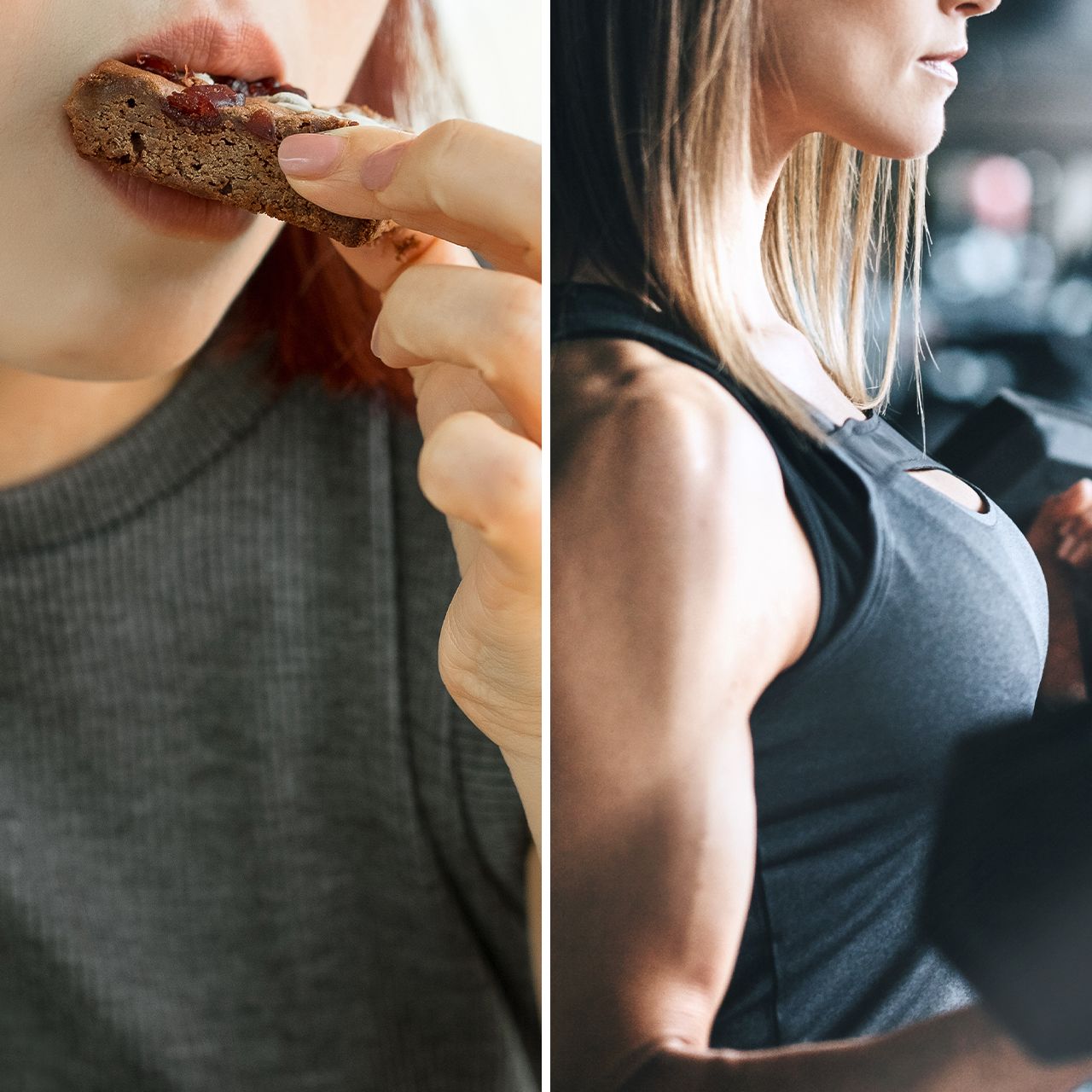




Indulging in sweets might feel harmless, but health experts are sounding the alarm for adults over 50. Certain types of sugar-laden treats, often considered “safe” indulgences, may actually increase the risk of cancer. From common candies to seemingly innocent desserts, these six sweets contain ingredients that can produce harmful compounds in the body, making moderation—and awareness—more important than ever.

Women Are Swapping Their Boring Water For This Ice Pop Electrolyte Mix!

1. Pastries
Dr. Alan Mandell says that foods such as pastries "are dangerous because they spike insulin levels." These can lead to obesity and inflammation, and Mandell notes that both of these "are significant risk factors for cancer."
These foods are also high in calories but low in nutritional value. Obesity is a huge risk factor for several types of cancer and inflammatory markers that promote cancer growth.

2. Sugary Coffee Drinks
Many of us need coffee to start our day, but the worst kind you can choose for your health is one with loads of sugar. When you make coffee yourself at home, you can choose to sweeten it with a natural, healthy sweetener like monk fruit, or add a splash of a non-fat creamer, for example. "I don't order the largest size, the full sugar coffee drinks," cancer dietitian and health expert Nichole (@oncology.nutrition.rd), said, noting that she loves coffee. "Coffee does not increase cancer risk. In fact, a lot of people think that it does, and it does not. It's a safe choice. I do like a cold coffee," she shared. She also opts for a "blended coffee throughout the summer."
However, she noted, "those can get so high in calories so fast." She continued: "what I do is with the sugary coffees, is I make sure I either get a kid size. I also make sure to get, half sweet, so, you know, whatever sugars things are adding to it, I'm having half the serving." The dietitian also asks for "sugar-free sweeteners" to bring "down the calories." Sugary coffees can "easily, easily get to 800 calories," she warned. "If you currently have those right now, and you have goals for weight loss, you want to reduce fat tissue to reduce risk of cancer." In addition, she suggests "that you go to the app or online to whatever coffee place that you love and really figure out the calories in your drinks and figure out ways to reduce the sugar." It's vital to choose "smaller sizes and less sugar," she pointed out.

3. Sugar Packets
In the video, Nichole emphasized the significance of avoiding sugar packets for sweetening your coffee, iced tea, or other drinks, highlighting that there are healthier and safer options not associated with cancer. "I don't add sugar to my zero calorie, no sugar beverages," she said.

4. Sodas
The health pro also warned against "sugary beverages" like sodas and energy drinks when it comes to cancer risk and prevention. "I do not order sugary beverages when I go out to eat," she said in the video, adding that she is always "making sure to keep" her "body fat tissue down." Nichole also noted that she aims to balance "a healthy level of calories." She continued: "I don't want my calories coming from all these beverages that are very high in calories, such as sodas." If "you go to a meal out and you have a large soda," this is going to add "a ton of extra calories."
She also said that those "mini cans" of soda is a better idea if you must drink it. "When I go out to eat, I'm going to have water or an unsweetened iced tea," she advised. Nichole also said that she will sweeten her iced tea with "artificial sweeteners that are safe and don't increase cancer risk," if she really wants to. Diet sodas, she stressed "don't increase risk of cancer" necessarily, but "the American Institute for Cancer Research recommends to not have a high level of sugary beverages," she said. This "can lead to excess calories, which then can lead to excess body fat tissue, which then increases risk of 13 different cancers."

6. Processed Sweet Snacks
Snacks that are highly processed and full of unnatural ingredients, like candy bars and other junk foods, can do much more harm than good. Oncologist Dr. Donald Barry Boyd says that they are "lower nutrient" and "higher calorie" foods, which is why some people consider them to be "empty calories."
Catherine Gervacio, RDN, further explains that processed snacks like potato chips are "calorie-dense, high in fat, and are low in nutritional value."
This contributes to weight gain," she continues. "As you know, obesity itself is a major risk factor for multiple types of cancer, like breast, colon, and pancreatic cancers."
If you need a satisfying yet more nutritious alternative to your favorite crunchy processed snack foods, Garvacio recommends trying air-popped popcorn, baked veggie chips, and sweet potato chips made with olive oil.