




If you’re trying to keep your blood pressure in check, watching your sodium intake is one of the most important things you can do. While salty foods like chips and fast food are obvious culprits, many everyday pantry staples and convenience meals are quietly packed with far more sodium than most people realize. Over time, regularly consuming these foods can contribute to fluid retention, increased strain on blood vessels, and a higher risk of hypertension and heart disease.
The good news? Making a few smarter swaps can go a long way when it comes to supporting heart health. From canned soups to frozen breakfasts and processed snacks, health experts are revealing the sodium-loaded foods you may want to limit if you’re serious about protecting your blood pressure.

Women Are Swapping Their Boring Water For This Ice Pop Electrolyte Mix!

1. Canned food
Canned food is highly processed, high-sodium option that health experts recommend cutting out of your diet if you want to lower your blood pressure. "High sodium, sugar, or preservatives are sometimes added to canned foods to improve their flavor," registered dietitian Krutika Nanavati says. These can increase the risk of high blood pressure and heart disease.
Canned foods also don't offer nearly as many nutrients as whole foods do. "Since canning typically involves high heat, water-soluble vitamins can be lost as some vitamins are sensitive to heat," Nanavati says.
If you still want to buy canned foods, she offers a bit of advice for finding healthier options: "Look for items with minimal added sugar or sodium and check the serving size. Aim for a variety of fresh fruits and vegetables that are packed without added sauces or syrups."

2. Chips like Doritos
Chips are among the most popular salty snacks out there. From Doritos to Cheetos, the options are endless. Unfortunately, this pantry item is loaded with unhealthy fats, carbs, and sodium, all of which can be detrimental to your blood pressure and even waistline.
The high sodium content is one major reason for concern. Consuming too much salt can lead to many health issues, especially when it comes to your heart. "Consuming salty snacks like potato chips, pretzels, and popcorn can lead to high blood pressure due to their high sodium content," Nanavati says. "Sodium causes the body to retain water, which puts extra strain on the blood vessels, ultimately leading to increased pressure in the blood." She warns that "high blood pressure is a significant risk factor for heart disease and stroke. Therefore, limiting the intake of salty snacks is crucial to maintain good health and prevent cardiovascular diseases."

3. Frozen Breakfasts
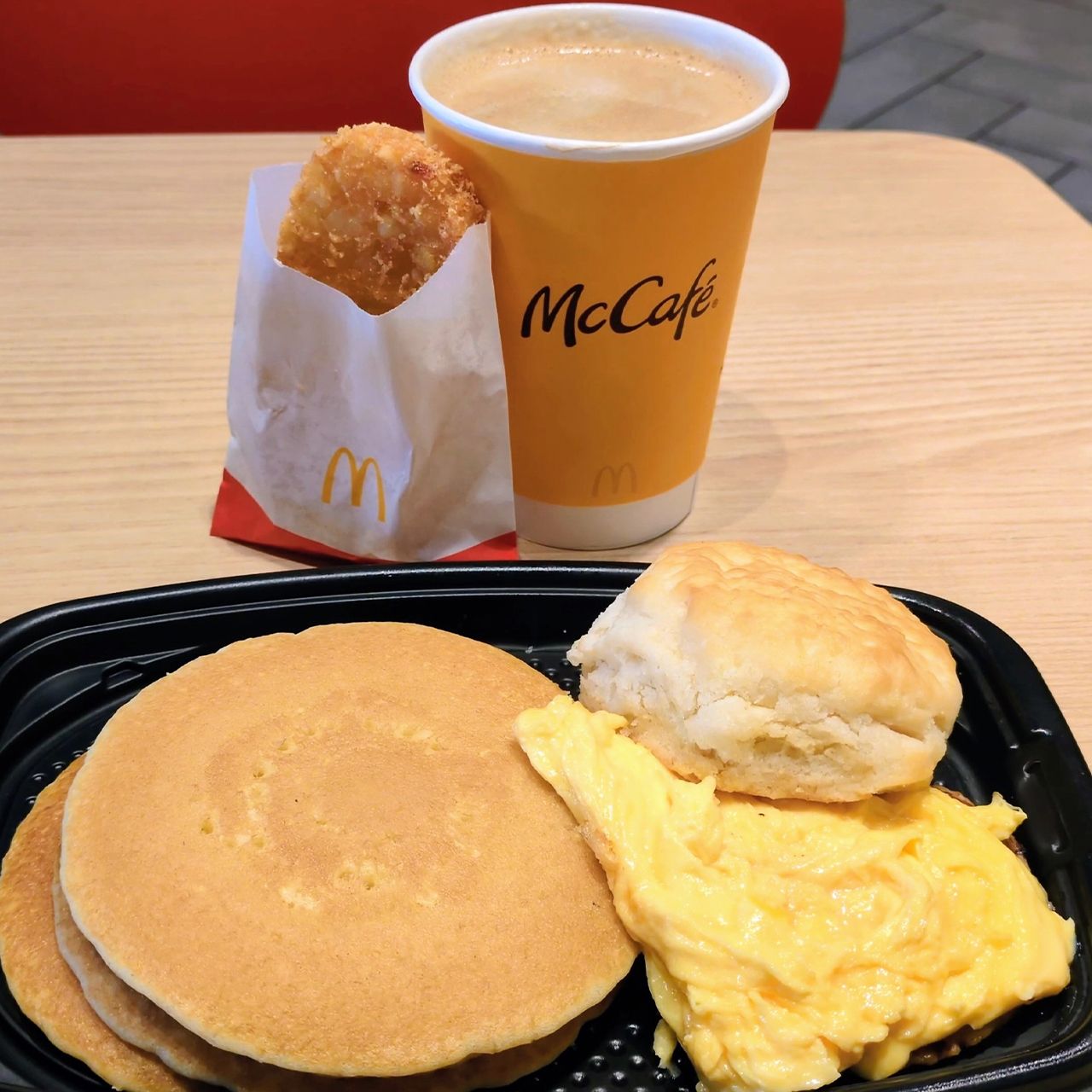
There's no denying that frozen breakfast options—such as breakfast sandwiches and potato bowls—are both convenient and tasty. Unfortunately, though, what you gain in convenience when you keep these meals stocked in your fridge, you pay for with health risks.
Dietitian Rhyan Geiger highlights a significant concern associated with frozen breakfasts when it comes to your heart: their high sodium content. "Quick breakfast options like microwavable egg and sausage bowls can be loaded with sodium," she warns. It's no secret that consuming excessive amounts of sodium can take a toll on your body. The daily recommended intake of sodium for individuals with heart concerns is no more than 1,500mg. Shockingly, Geiger points out that a single microwave breakfast bowl can contain nearly 800mg of sodium, leaving very little room for additional salt intake throughout the day.

4. Deli Meats
Often high in sodium, saturated fats, and preservatives, deli meats can contribute to elevated blood pressure and cholesterol levels when consumed regularly. The calorie-dense nature of many deli meats further raises concerns about their impact on weight, potentially leading to weight gain when included as a staple in the diet. "Often pre-sliced and convenient, deli meats are frequently loaded with sodium and preservatives. Some varieties may also contain added sugars and unhealthy fats, negatively impacting weight and heart health," Nanavati notes.

5. Store-Bought Frozen Meals
Speaking of convenience, it doesn't get much more convenient than a frozen meal you can pop into the microwave and enjoy in mere minutes. But according to Naheed Ali, MD, PhD, these are a "salt bomb waiting to happen."
"Manufacturers use heavy sodium loads as a preservative and flavor enhancer," he warns.

6. Fast Food
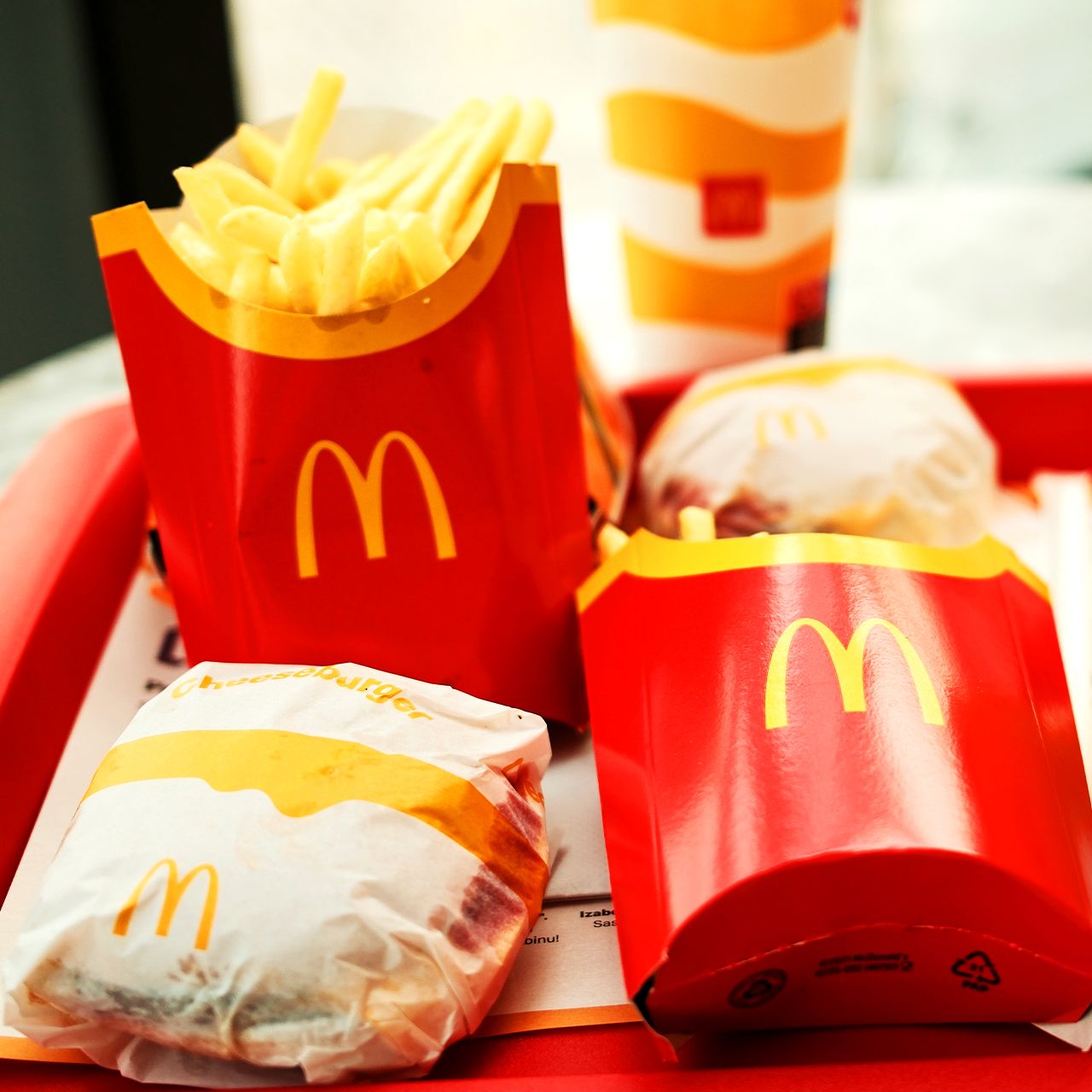
It shouldn't be surprising to hear that fast food comes with a plethora of health risks. One major issue with most fast food meals is the high sodium content. "Many fast food and restaurant meals contain enough sodium to exceed daily recommended levels in one sitting!" Dr. Ali says. "The aggressive use of salt and flavor enhancers makes it really hard to resist overeating. That's a recipe for calorie overconsumption and fluid retention."

7. Processed Cheese
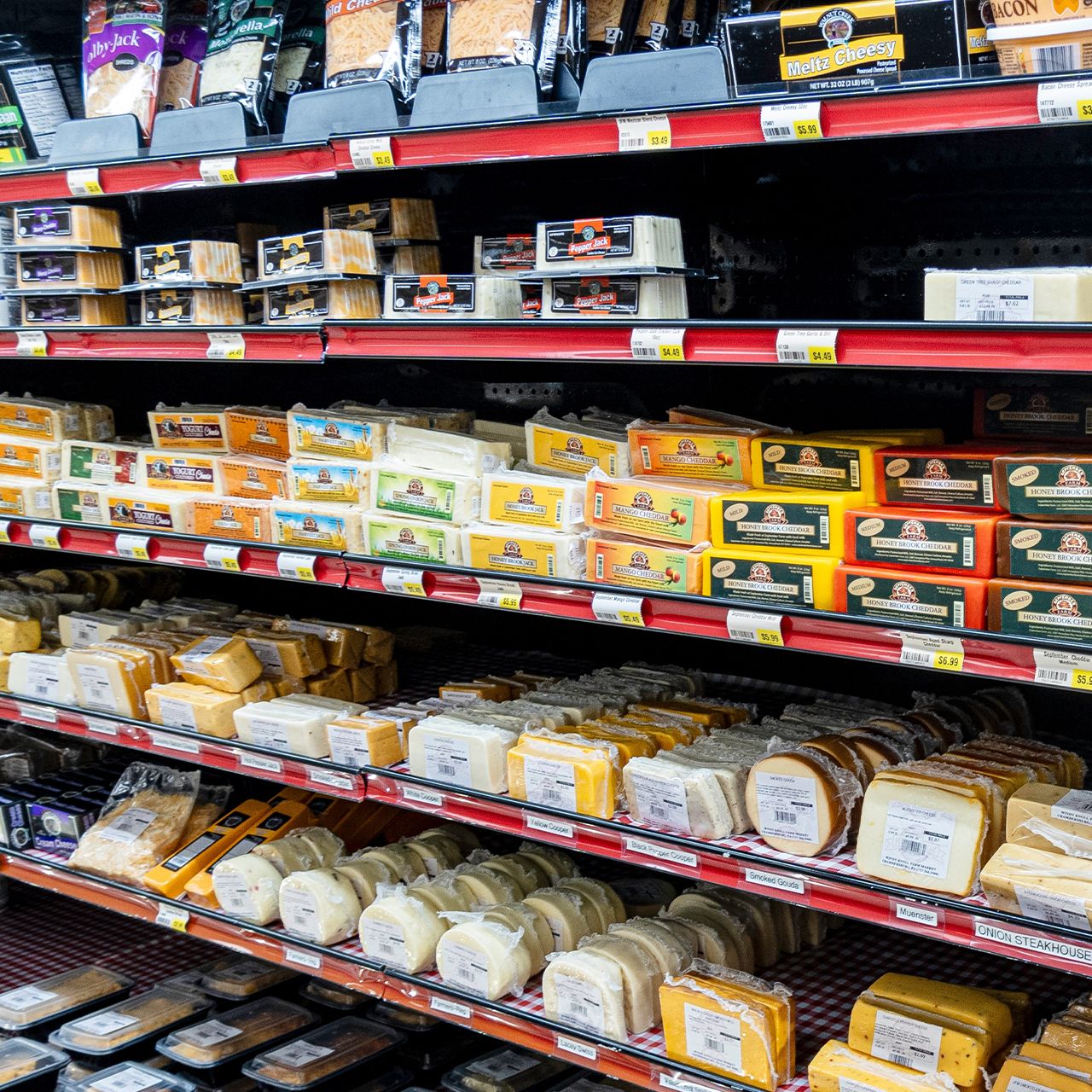
Processed cheese products—like American cheese slices, cheese dips, and packaged cheese spreads—may seem harmless, but experts say they can be surprisingly high in sodium, making them a poor choice for anyone trying to manage hypertension.
According to health experts, many processed cheeses are packed with added salt to improve flavor, texture, and shelf life. Just a few slices can quickly add hundreds of milligrams of sodium to your daily intake, which may contribute to elevated blood pressure over time.
In addition to sodium, processed cheeses are often high in saturated fat, which can further impact heart health when consumed regularly. Excess sodium causes the body to retain water, placing additional pressure on blood vessels and forcing the heart to work harder.
If you still want to enjoy cheese, experts recommend opting for lower-sodium varieties such as fresh mozzarella, Swiss cheese, or reduced-sodium cottage cheese. Pairing moderate portions with whole foods like vegetables or whole-grain crackers can also help create a more balanced, heart-friendly snack.