



When it comes to anti-aging skincare, many people assume that more exfoliation equals better skin. After all, exfoliating promises smoother texture, brighter tone, and a youthful glow. But according to dermatologists, overdoing it—or exfoliating at the wrong time—could actually be accelerating the aging process instead of slowing it down.
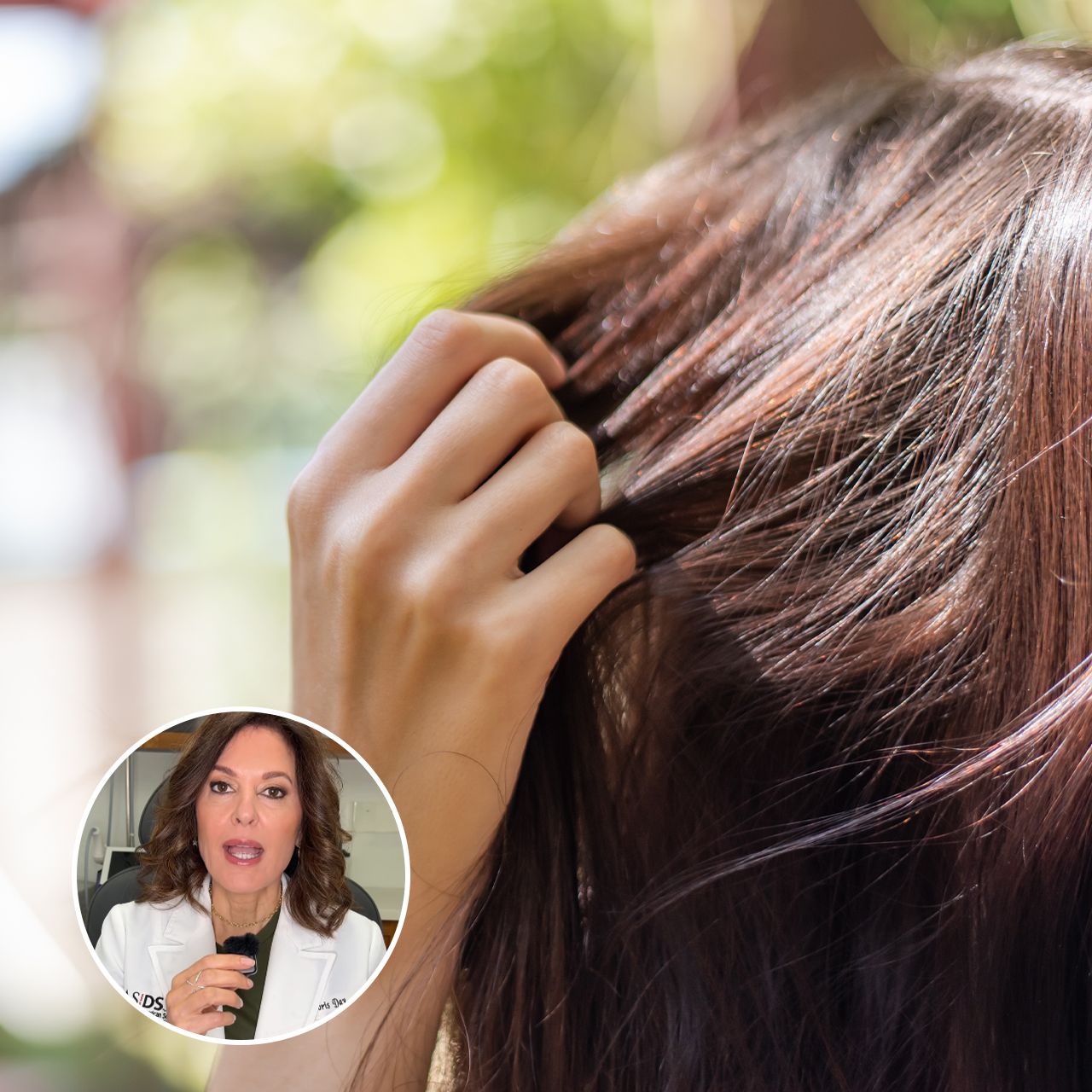
Dermatologist Dr. Heather D. Rogers recently warned that exfoliation isn’t always the skincare hero it’s made out to be. In fact, if your skin barrier is already compromised, exfoliating can leave your complexion looking duller, more irritated, and older than before.
Here’s why this common mistake may be sabotaging your anti-aging efforts.

Women Are Swapping Their Boring Water For This Ice Pop Electrolyte Mix!
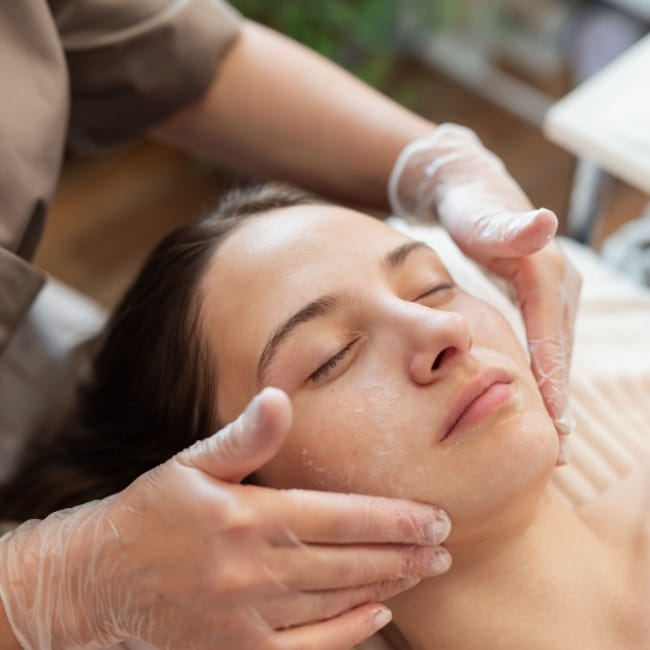
The Problem With Over-Exfoliating
"If you think exfoliating your skin is the best thing you can do for it, you are dead wrong," Dr. Rogers explains.
While exfoliation can help remove dead skin cells and improve skin texture, it should only be done when the skin barrier is healthy and functioning properly. The skin barrier acts as your body's natural shield, helping retain moisture while protecting against environmental stressors, pollution, and irritants.
When that barrier becomes weakened, exfoliating can strip away even more protection, leading to increased sensitivity, redness, dryness, and inflammation.
Why A Damaged Skin Barrier Can Make You Look Older
One of the biggest contributors to visible skin aging isn't necessarily wrinkles—it's chronic irritation and dehydration.
A compromised skin barrier can make fine lines appear more noticeable, leave skin looking rough and uneven, and reduce the healthy glow associated with youthful skin.
When skin lacks moisture, it can appear thinner and less plump, emphasizing signs of aging. Dr. Rogers notes that exfoliation should only be introduced once your skin "looks and feels good." Otherwise, you're asking stressed skin to work even harder.
Signs You May Be Exfoliating Too Much
Many women don't realize they've crossed the line from healthy exfoliation into over-exfoliation. Common warning signs include:
- Persistent dryness or tightness
- Redness or irritation
- Increased sensitivity to skincare products
- Flaking or peeling
- Burning or stinging sensations
- Unexpected breakouts
If any of these symptoms sound familiar, your skin may be telling you it needs a break.
What To Do Instead
Rather than focusing on exfoliation, dermatologists recommend prioritizing skin barrier health first. That means using gentle cleansers, fragrance-free moisturizers, hydrating ingredients like ceramides and hyaluronic acid, and daily sunscreen.
Once your skin feels balanced, comfortable, and well-moisturized, you can gradually reintroduce exfoliating products if needed. For mature skin especially, less is often more.
Supporting the skin's natural defenses can deliver better long-term anti-aging results than aggressively scrubbing away imperfections.
The Bottom Line
Exfoliation isn't inherently bad, but it isn't the cure-all many people believe it to be. According to Dr. Heather D. Rogers, exfoliating before your skin barrier is healthy can actually worsen irritation, dryness, and visible signs of aging. Before reaching for another peel, scrub, or acid treatment, focus on repairing and strengthening your skin barrier first—your complexion will likely look healthier, calmer, and more youthful as a result.