




Hot flashes are one of the most common and frustrating symptoms women experience during menopause and perimenopause. While fluctuating hormones are typically the main factor that causes hot flashes, certain everyday habits can make your symptoms worse. Seemingly harmless factors like your breakfast and your skincare products could have a surprising impact.
According to Francesca Lyon, Director of Nutrition at FUTURE WOMAN, hot flashes occur because the hypothalamus—the brain’s temperature-control center—becomes overly sensitive to even small changes in body temperature. “This hypersensitivity is driven by a combination of hormonal, metabolic, and lifestyle factors,” she explains. While declining estrogen and progesterone levels play a major role, Lyon says lifestyle triggers can amplify hormonally driven symptoms. Here are six menopause mistakes that may be making your hot flashes worse.

Women Are Swapping Their Boring Water For This Ice Pop Electrolyte Mix!

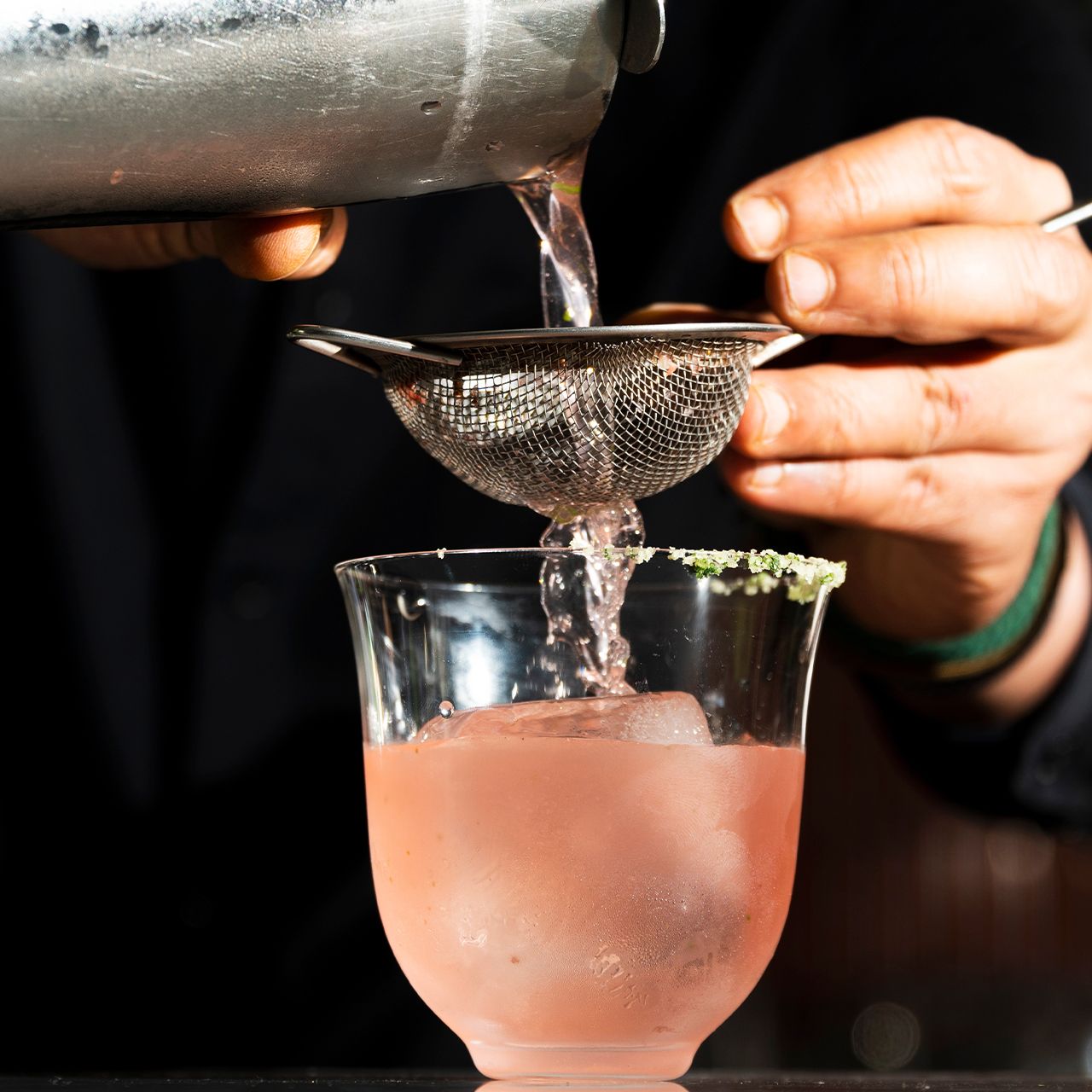
1. Drinking Alcohol Before Bed
That evening glass of wine may be doing more harm than good when it comes to hot flashes and night sweats.
According to Lyon, "Alcohol is a major hormone saboteur that impairs REM sleep, potentially damages mitochondria, and slows down your liver's ability to detoxify used hormones." She adds that alcohol can also create blood sugar imbalances and increase histamine levels in the body.
"High histamine drives up estrogen levels, creating a vicious cycle that can severely exacerbate vasomotor symptoms like hot flashes and night sweats during a time when your hormones are already fluctuating," Lyon says.
Instead, she recommends choosing hydrating, low-sugar alternatives such as sparkling water with lime or alcohol-free botanical beverages.
2. Eating Too Many High-Histamine Foods
Many women don't realize that certain foods may be contributing to menopausal symptoms.
Lyon explains that histamine and estrogen can fuel one another in a cycle that worsens hot flashes. "Estrogen stimulates mast cells in your body to release histamine, and in return, high histamine stimulates your ovaries to produce even more estrogen," she says.
As progesterone naturally declines during perimenopause, this issue can become even more pronounced. Foods that may be problematic for sensitive individuals include:
- Aged and fermented foods
- Wine and alcohol
- Avocados
- Chocolate
- Spinach
- Eggplant
- Shellfish
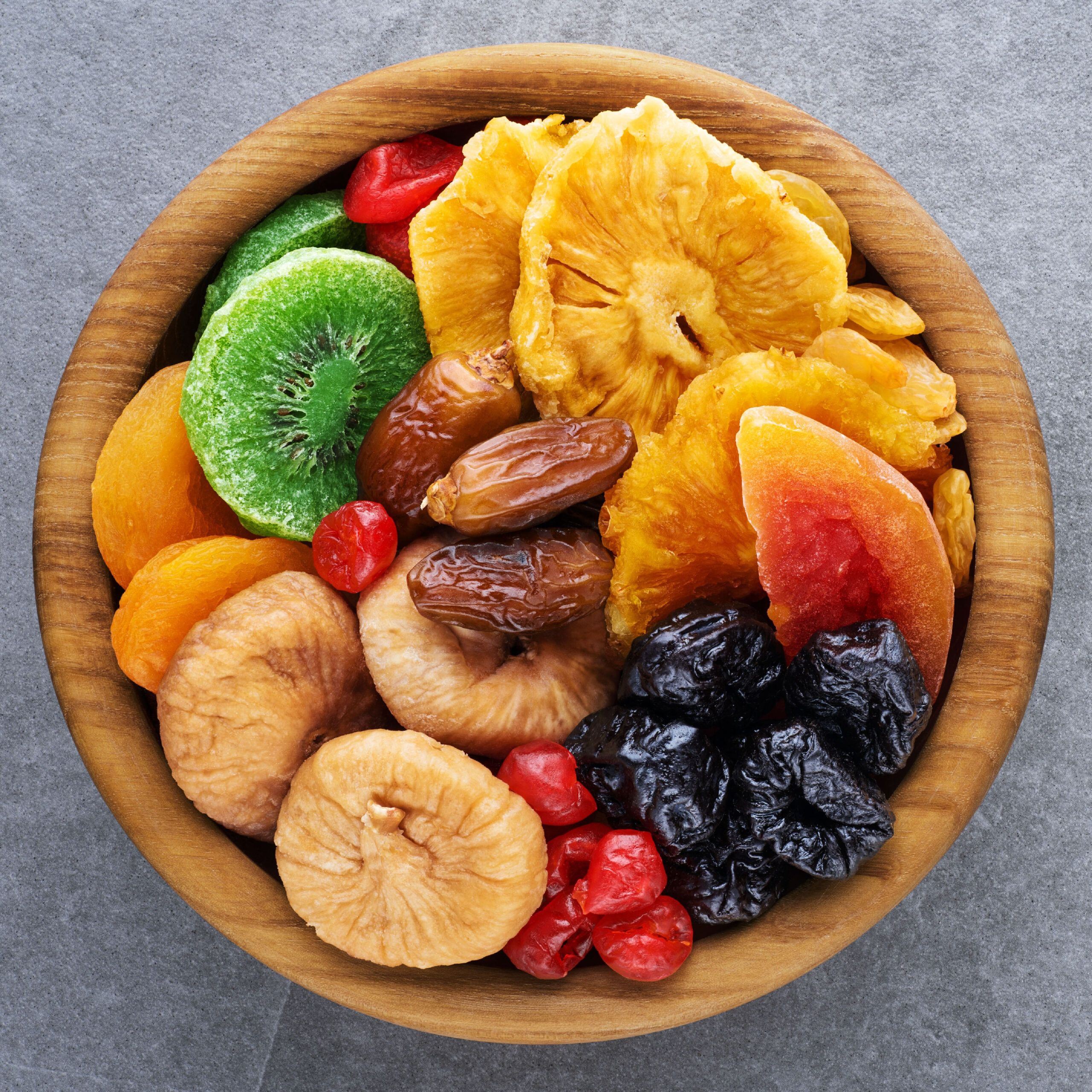
- Dried fruits
"If you suspect histamine is acting as a trigger for your symptoms, you may be consuming too many foods high in histamine," Lyon notes. She suggests trying a low-histamine diet for several weeks to see whether symptoms improve.

3. Starting the Day With a High-Carb Breakfast
Carb-loaded breakfasts like bowl of cereal, plain oatmeal, or a pastry can be tasty and convenient, but Lyon warns these options can pave the way for hot flashes later in the day.
"Breakfasts that are high in carbohydrates or simple sugars cause rapid blood sugar spikes followed by crashes," she explains. "Your body views these crashes as an internal stressor, triggering the release of cortisol to bring blood sugar back up."
Over time, these repeated blood sugar swings can worsen insulin resistance, which Lyon says is strongly linked to the severity of hot flashes.
Instead, she recommends choosing a protein-rich breakfast such as eggs with vegetables or a protein smoothie. "Eat a high-protein, low-carbohydrate breakfast to stabilize your blood sugar for the entire day," she advises.

4. Drinking Coffee on an Empty Stomach
If your morning routine starts with coffee before breakfast, it may be contributing to temperature fluctuations and hot flashes.
"Caffeine acts as a stimulant that disrupts blood sugar control and pushes your nervous system into a 'fight or flight' state by spiking your stress hormones, cortisol and adrenaline," Lyon says.
She notes that hormonal changes during perimenopause can make the brain-adrenal connection more sensitive, meaning caffeine's effects may feel stronger than they once did.
To reduce the impact, Lyon recommends delaying caffeine intake for at least two hours after waking and drinking coffee only after eating a balanced meal.
5. Using Products With Synthetic Fragrances
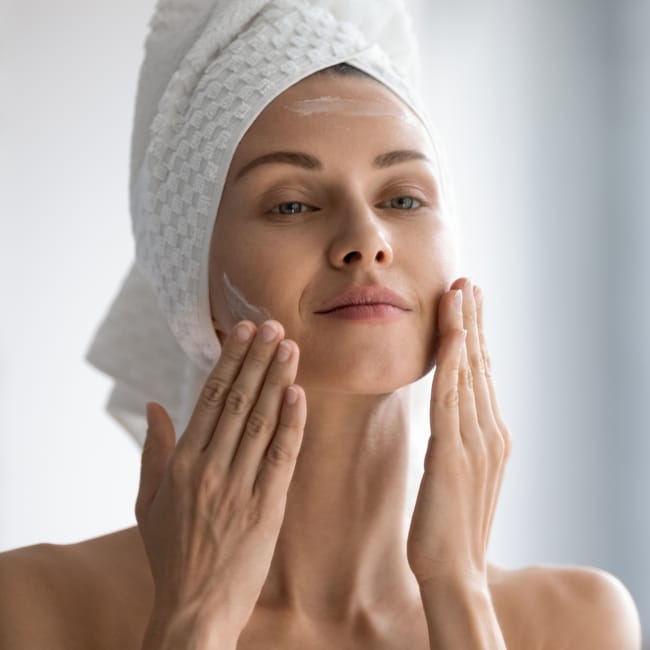
The lotions, body washes, and cleaning products you use every day could also be affecting your symptoms.
Lyon explains that many synthetic fragrances contain endocrine-disrupting chemicals such as phthalates and parabens. "These chemicals act as 'xenoestrogens,' meaning they artificially mimic estrogen in the body," she says.
When these compounds bind to estrogen receptors, they can interfere with hormone regulation and increase inflammation. Lyon warns that this may "severely exacerbate hot flashes."
Her advice? Switch to fragrance-free personal care and household products whenever possible.

6. Ignoring Underlying Hormonal Imbalances
Many women assume hot flashes are simply something they have to endure, but Lyon says understanding what's happening hormonally can be an important step toward finding relief.
"The classic driver of hot flashes is the significant drop in estrogen levels that occurs during menopause," she explains. However, fluctuating estrogen, low progesterone, and even poor estrogen metabolism can all contribute to symptoms.
"Progesterone has properties that naturally help stabilize your core body temperature," Lyon notes. "When progesterone levels dip, your internal 'thermostat' can misfire, provoking sudden heat and night sweats."
Because hormonal patterns vary from woman to woman, Lyon says testing can provide valuable insight into what's driving symptoms and help identify more personalized solutions.