



Bread often gets a bad reputation, but many shoppers feel like they’re making a healthier choice when they reach for a loaf labeled “multigrain.” After all, the name suggests a variety of nutritious grains, seeds, and fiber-packed ingredients. But nutrition experts say that label can be misleading—and it may not always mean you’re getting the health benefits you expect.
The Whole Grains Council notes that terms like “whole grain” and “100 percent whole wheat” provide more information about a bread’s ingredients than broader labels like “multigrain.”
According to Sarah Otto, co-founder of Goodness Lover and a Master of Human Nutrition, the word “multigrain” doesn’t necessarily mean a bread is made with whole grains or is a high-fiber choice. Instead, she says consumers should pay closer attention to the ingredient list to make sure they’re choosing a truly nutritious loaf.

Women Are Swapping Their Boring Water For This Ice Pop Electrolyte Mix!
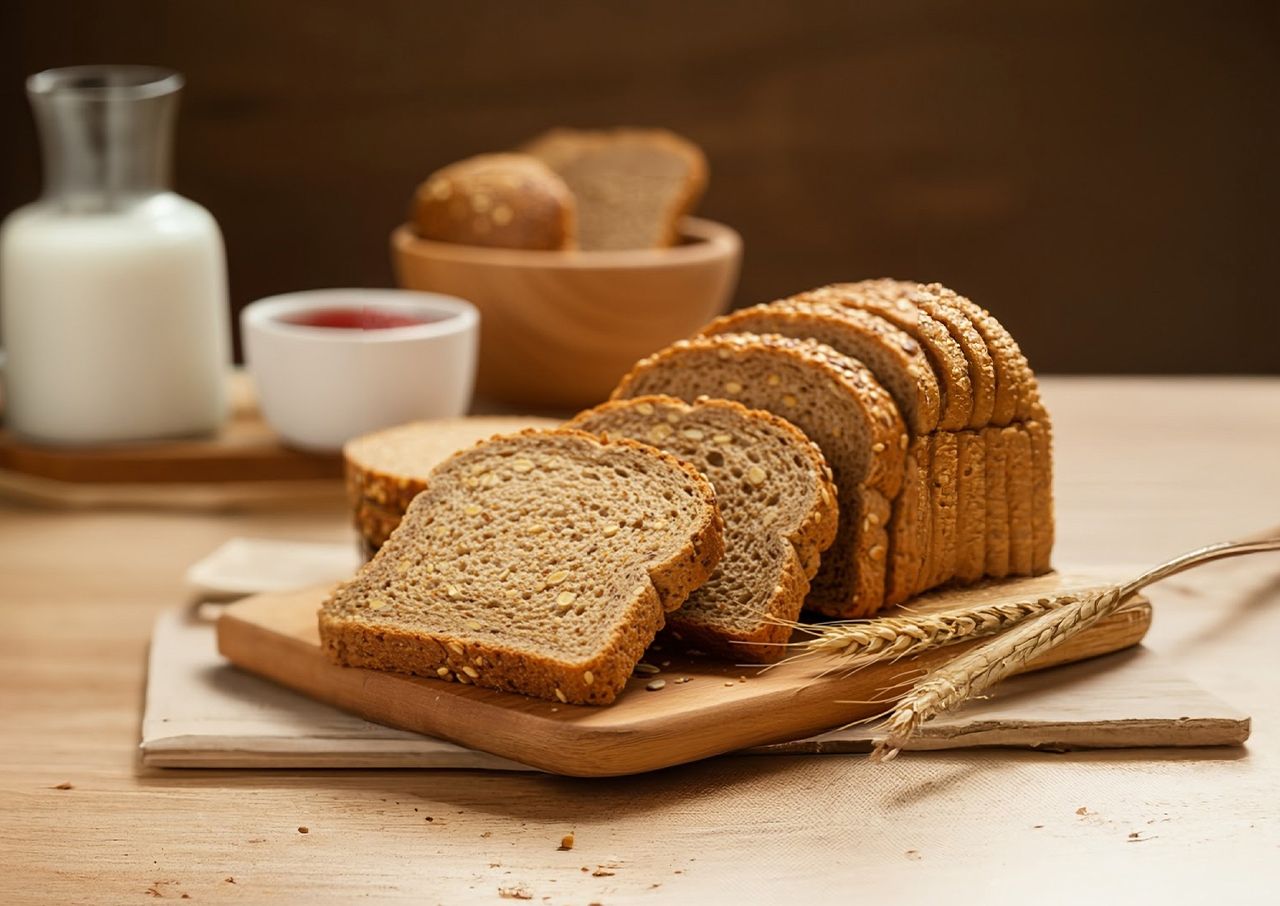
Why Multigrain Bread May Not Be As Healthy As You Think
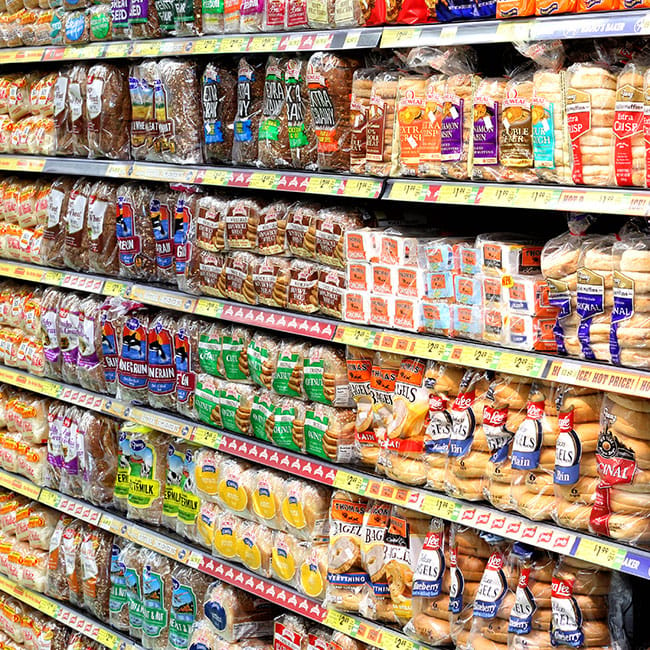
The biggest issue with multigrain bread is that the term itself doesn't tell you much about the quality of the grains inside.
"Multigrain is not a health term. It is a counting term," Otto explains. "All it tells you is that more than one grain went into the loaf, and it says nothing at all about whether those grains are whole."
She says that means a loaf can contain several types of grains while still being made mostly with refined flour. "A bread can be made entirely from refined white flour, have a handful of cracked wheat and some millet thrown in, and legally call itself multigrain," she says.
Unlike "100 percent whole wheat" or "100 percent whole grain," which indicate the bread contains whole grains, Otto says multigrain is not a guarantee of better nutrition. "Multigrain is the only word on that shelf that sounds regulated and isn't," she says.
The Fiber Problem
One of the main reasons people buy multigrain bread is for the fiber—but Otto says many commercial varieties don't provide nearly as much as shoppers assume.
"People buy multigrain believing they are buying fiber," she says. "Plenty of commercial loaves come in at one gram a slice, which is roughly what you get from white bread."
That matters because fiber plays an important role in gut health. "The fiber in whole grains is what feeds the bacteria that produce short-chain fatty acids, and those are involved in gut barrier function and inflammatory signalling," Otto explains.
She adds that many people already aren't getting enough fiber in their daily diets. "A daily bread that carries no fiber is a daily missed opportunity to feed the microbiome, and most people are already well short of the 25 to 30 grams of fiber a day they need."
What To Buy Instead
Rather than relying on the front of the package, Otto recommends turning the loaf around and checking the ingredients.
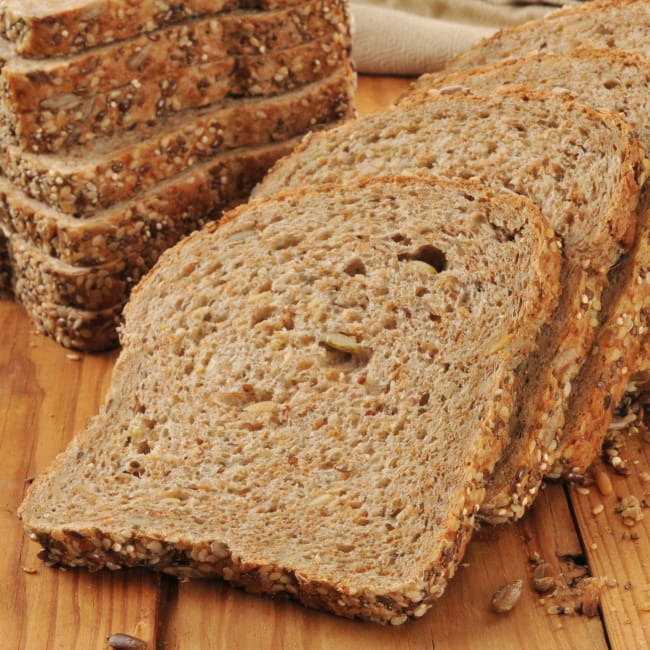
"Ignore the front of the packet entirely. Turn it over," she says. "First ingredient should start with the word whole, three grams of fiber or more per slice, two grams of sugar or less, and an ingredient list you could read aloud without stumbling."
Her top picks include:
100 percent whole wheat or whole grain bread: "The word 100 is doing all the work," Otto says. "Without it, the claim is decorative."
Real sourdough: Otto says traditionally made sourdough can be a better choice because "long fermentation partially breaks down starches and phytic acid, which tends to mean a gentler glucose response and better mineral availability." Look for simple ingredients like flour, water, salt, and culture.
Sprouted grain bread: "Sprouting improves nutrient availability and these breads are usually genuinely high in fiber and protein," she says.
Whole rye or pumpernickel: "The most underrated bread in the shop," Otto says. "High fiber, very satiating, and it keeps people full noticeably longer than wheat."
While multigrain bread isn't automatically unhealthy, Otto says the label alone shouldn't be enough to convince you it's the best choice. A quick look at the ingredient list can help ensure your daily slice is actually delivering the whole grains and fiber your body needs.