



Disclaimer: This article alone should not be taken as health advice. Speak to your doctor for the best guidance for your personal wellbeing.
Ultra-processed foods have become a regular part of many Americans’ diets. They’re convenient, long-lasting, and, let’s face it: they’re tasty. But many of the most common pantry and refrigerator staples come with downsides. From excess sodium and added sugars to refined carbohydrates and preservatives, these ingredients may contribute to weight gain, high blood pressure, inflammation, and an increased risk of chronic disease when consumed regularly. In fact, the American Heart Association says that higher consumption of ultra-processed foods is associated with an increased risk of heart disease and poorer cardiometabolic health
While there’s no need to swear off every processed food, doctors say it’s worth taking a closer look at the products you eat most often and considering healthier alternatives whenever possible. We spoke with cardiologist Dr. Raed Bargout, registered dietitian Krutika Nanavati, nutritionist Susan Schachter, co-founder of 120/Life, Destini Moody, registered dietitian and certified specialist in sports dietetics, Trista Best, dietitian for Balance One Supplements, and Dr. Stacy Heimburger, MD, a board-certified internist, Lifestyle Medicine physician, menopause specialist, and founder of SugarFreeMD, to find out which processed foods they recommend limiting in 2026—and what to reach for instead.

Women Are Swapping Their Boring Water For This Ice Pop Electrolyte Mix!
1. Breakfast cereal
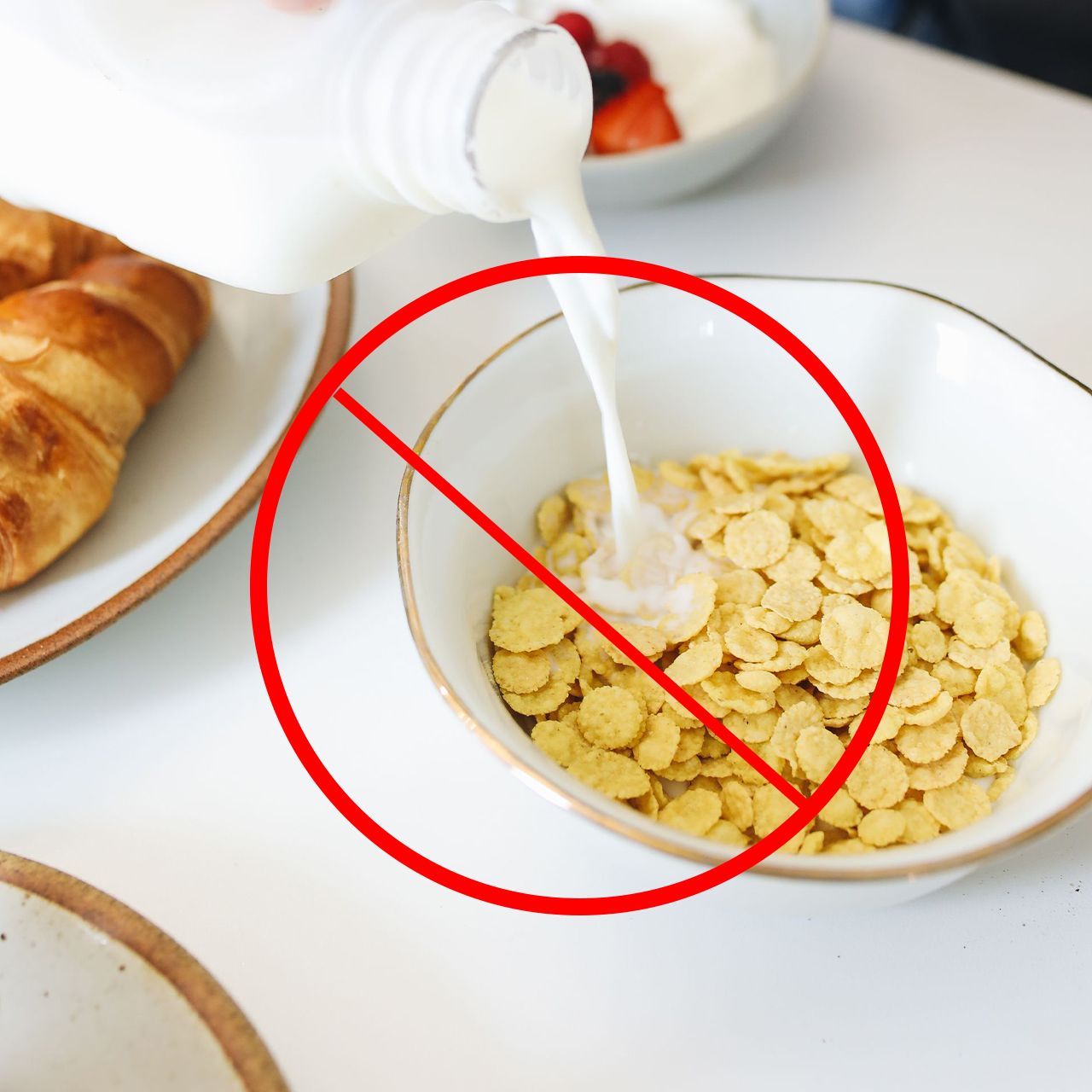
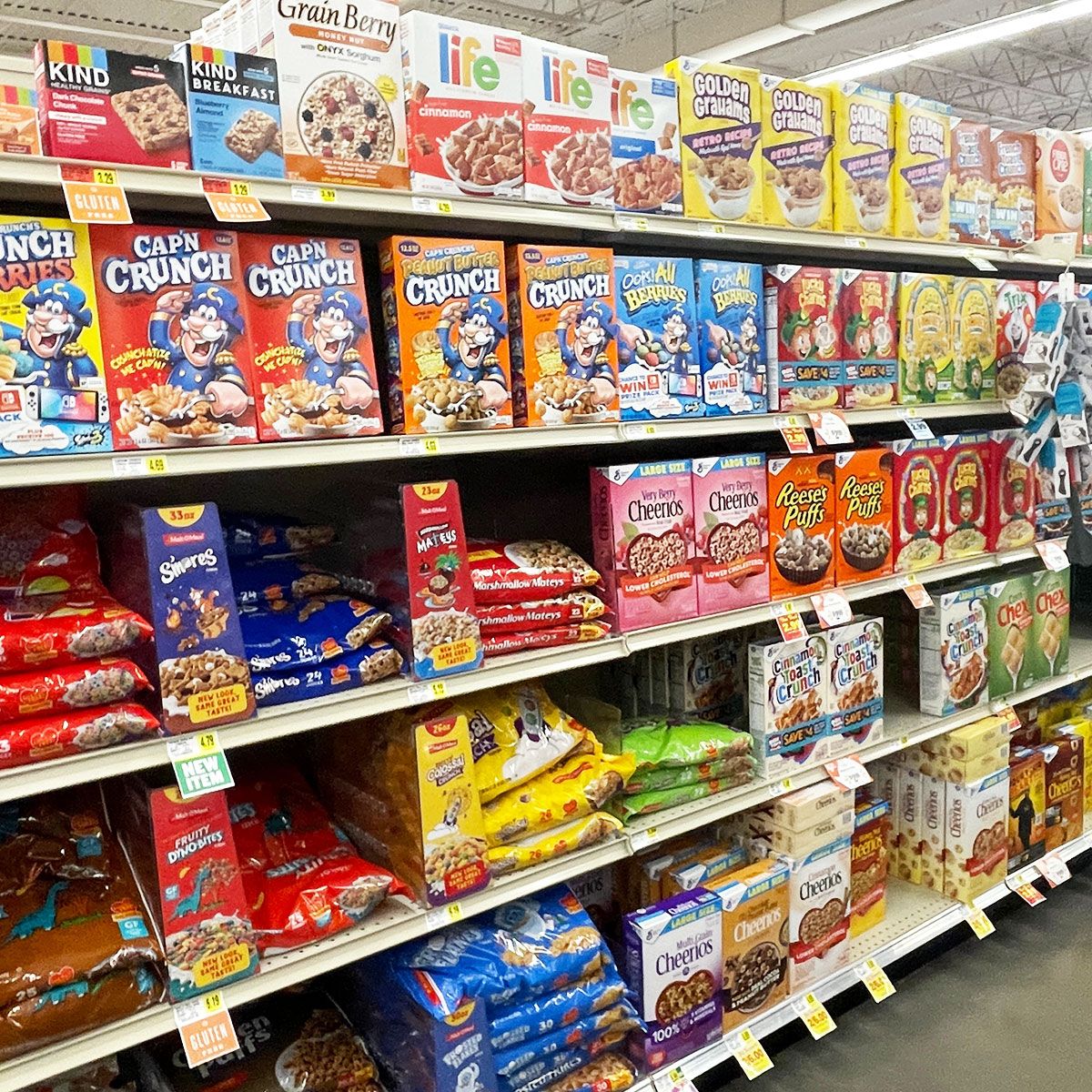
Cereal is a common pantry staple in many households. Not only does it make for a convenient, quick breakfast, but it's also an easy and delicious snack to eat straight out of the box. But just like baked goods and other sweet treats, breakfast cereal is typically loaded with sugar, and offers very few nutritional benefits. All of this can pose a significant risk to your heart health and your weight loss goals.
"Cereals are often very high in sugar and low in fiber, which means they pass through your digestive system quickly. Fiber keeps you feeling fuller for longer, which helps control your food intake and prevent weight gain. It also causes slower digestion which means a slower release of energy into your bloodstream throughout the day. Even brands like Special K and Life, which are heavily marketed as weight loss friendly cereals, have the same low amount of fiber found in the common sugary brands like Frosted Flakes," Moody notes.
If you can't give up on cereal altogether, opt for healthier, high-fiber options.
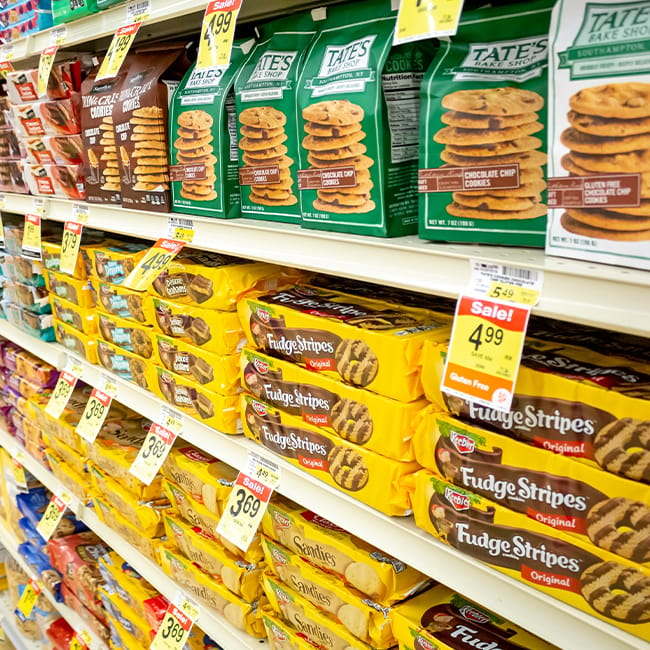
2. Baked goods like cookies and cake
A tasty pastry can be difficult to resist. Many people keep a steady supply of Little Debbie snacks and delicious cookies like Oreos stocked in their pantry. But Nanavati stresses that consuming processed, sugary baked goods like these is one major faux pas if you want a healthier heart and a fitter body. It's no secret that sugar can lead to a plethora of adverse effects on your health.
"Sugary snacks like cookies, candy, and cake often contain calories but lack essential nutrients," she says. "Overindulging in sugary snacks can lead to weight gain, another risk factor for high blood pressure. Moreover, sugary snacks can cause sudden spikes in blood sugar levels, contributing to high blood pressure."
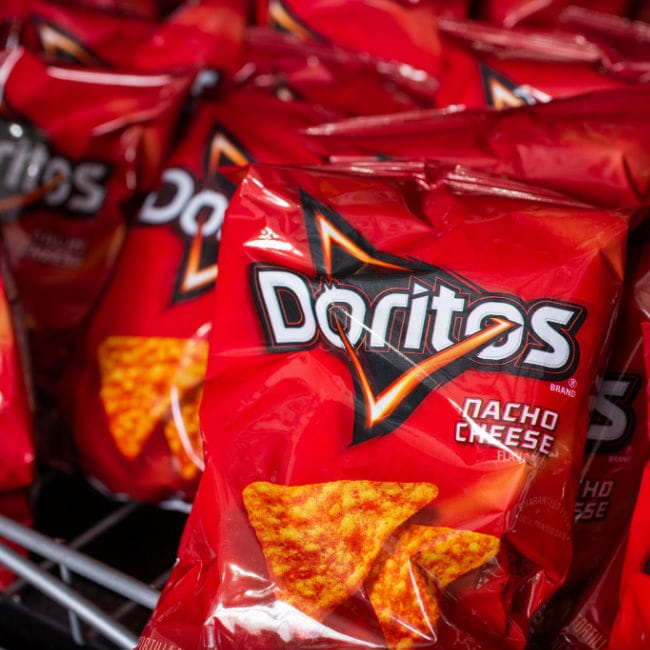
3. Chips like Doritos
Chips are among the most popular snacks out there. After all, who doesn't love to munch on crunchy potato chips by the handful? Unfortunately, this food is loaded with unhealthy fats, carbs, and sodium, all of which can be detrimental to your heart and your waistline.
The high sodium content is one major reason for concern. Consuming too much salt can lead to many health issues, especially when it comes to your heart. "Consuming salty snacks like potato chips, pretzels, and popcorn can lead to high blood pressure due to their high sodium content," Nanavati says. "Sodium causes the body to retain water, which puts extra strain on the blood vessels, ultimately leading to increased pressure in the blood." She warns that "high blood pressure is a significant risk factor for heart disease and stroke. Therefore, limiting the intake of salty snacks is crucial to maintain good health and prevent cardiovascular diseases."
Best seconds this, calling out Doritos, in particular. "They are often fried, made with inflammatory omega-6 oils, refined carbohydrates, and a combination of fat and carbs that cause oxidative stress in the body," she explains.
And while there are tons of fattening chips that should be avoided, she tells us that "Doritos are one of the worst types of chips to consume, regardless of flavor." As Best points out, "They are made with artificial colors and flavors along with refined carbs. This form of carb causes a rapid increase in glucose, which increases the body's fat-storing rate." Yikes! "When eating chips, if you must, it is best to opt for whole grain and baked options or to eat them pre portioned," she says.
If you're craving something savory but don't want to put your health at risk, there are plenty of healthier options to consider. Nanavati recommends unsalted nuts, roasted chickpeas, air-popped popcorn, and fruit and vegetable sticks.
Luckily, there are a lot of healthy alternatives that can satisfy your sweet tooth without putting your health at risk. Nanavati suggests fresh fruit, yogurt with berries, and dark chocolate, which offers some great health benefits. Yum!
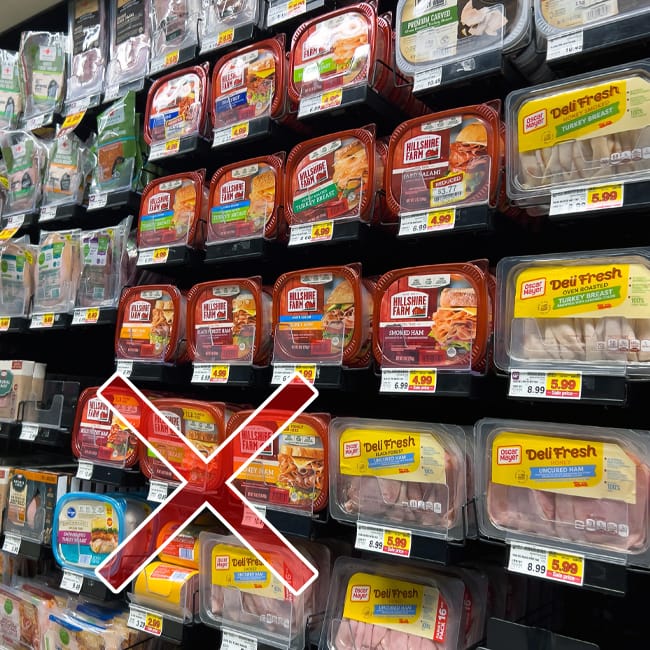
4. Deli meat
From ham to roast beef to bologna, deli meat is a popular sandwich ingredient that many of us have in our fridges right now. However, as common as this food is, it can take a serious toll on your health if you eat it on a regular basis. In fact, according to Dr. Bargout, it's one of the worst options out there when it comes to blood pressure and heart health.
"Processed deli meat is on the top of the list for food that can increase the risk of cardiovascular events including heart attacks and stroke," he says.
Schachter concurs: "Processed meats, such as bacon, sausage, and deli meats, are high in sodium, unhealthy fats, and preservatives," she warns. "They can contribute to weight gain, high cholesterol levels, and hypertension."
One of the main issues at hand here is the salt content. Deli meats are excessively high in sodium, way more than the daily advised content. "Consuming too much salt can increase blood pressure," Schachter warns, pointing out that The American Health Association recommends no more than 2,300mg, and under 1,500mg for adults with hypertension. Meanwhile, just one slice of lunch meat contains around 350mg of sodium—and when you consider how many slices you'd put on a sandwich, that can easily make up more than half of your recommended intake. Yikes!
Instead of high-sodium, processed salami, bologna, and more, try opting for fresh turkey or chicken on your sandwich.
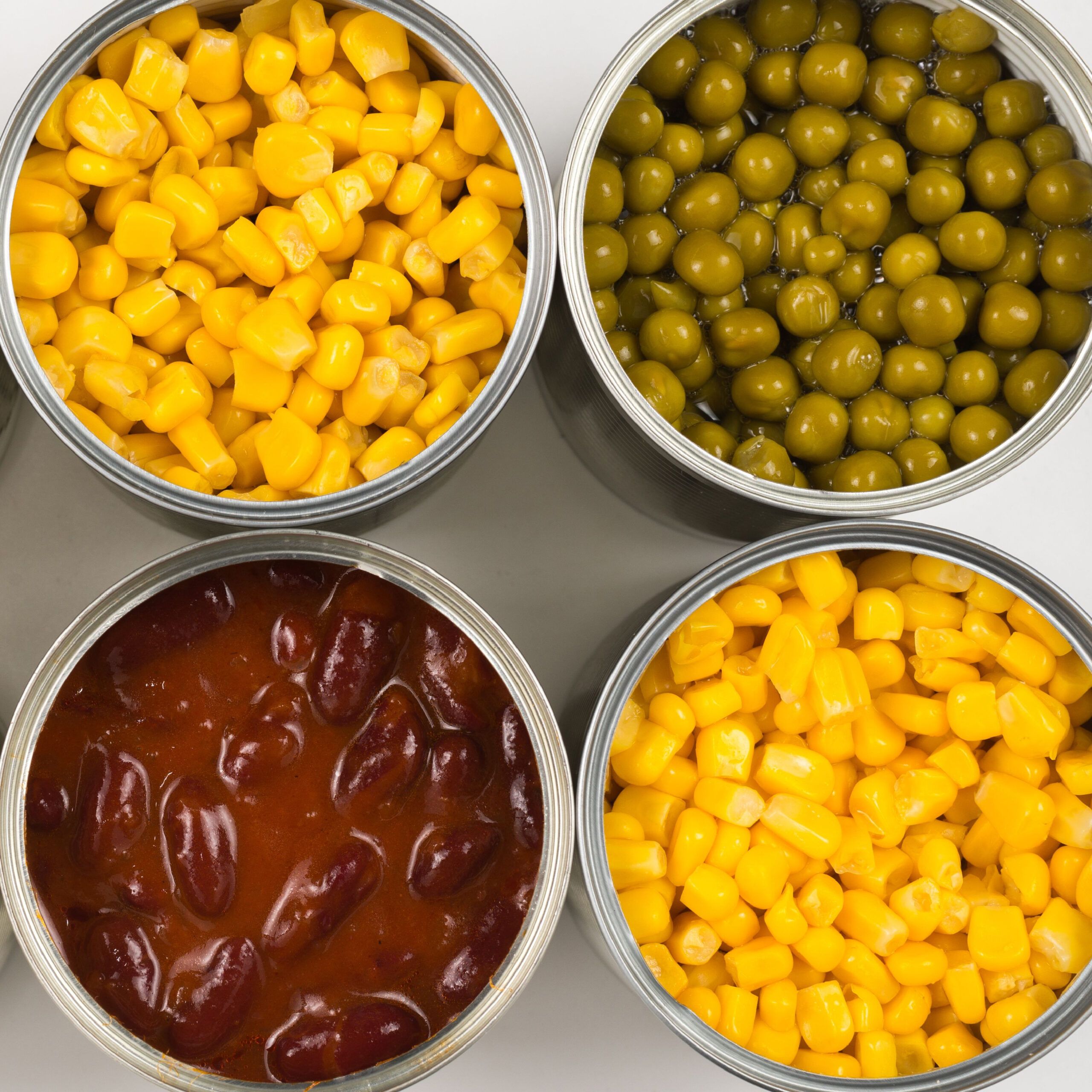
5. Canned food
Canned food is highly processed, high-sodium option that health experts recommend cutting out of your diet if you want to lower your blood pressure. "High sodium, sugar, or preservatives are sometimes added to canned foods to improve their flavor," Nanavati says. These can increase the risk of high blood pressure and heart disease.
Canned foods also don't offer nearly as many nutrients as whole foods do. "Since canning typically involves high heat, water-soluble vitamins can be lost as some vitamins are sensitive to heat," Nanavati goes on. That means that when you eat canned vegetables, for example, you're putting yourself at risk with all of those preservatives while reaping minimal nutritional benefits. Health experts agree that this is one of the worst canned foods out there.
If you still want to buy canned foods, she offers a bit of advice for finding healthier options: "Look for items with minimal added sugar or sodium and check the serving size. Aim for a variety of fresh fruits and vegetables that are packed without added sauces or syrups."
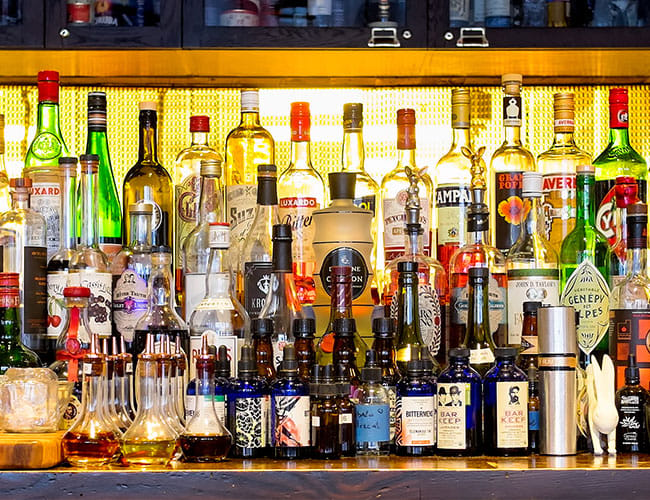
6. Alcohol
Regular alcohol consumption can cause a variety of health issues, but did you know it's also linked to headaches and skin problems? Dr. Anil Rajani, founder of RajaniMD says, "It seems like alcohol affects bags under the eyes, which a lot of people here know about due to fluid retention. It also triggers the inflammation process that damages the skin when you drink. Another thing is rosacea, or the redness that many women experience."
Especially in the facial area, Rajani says that "alcohol can really make your blood vessels red and expand." There can be "long-term redness issues that often can be treated, but why not just avoid them?" he says. Acne is also linked to rosacea, and there are "many different types of rosacea," he goes on, so "if you're dealing with that, check out some more natural solutions."
Rather than opting for alcohol, Rajani shared a clever and tasty hack. "One trick I do in the evening is add a bit of pomegranate juice to a glass of soda and water, which gives it some fizz and flavor." He also shared: "Sometimes, just the carbonation and the act of drinking is enough to satisfy that craving after a long, tough day at work. In this case, we’re actually swapping out alcohol for something else, packed with anti-aging antioxidants, or whatever you want to call it."
According to an article published by Business Insider, "a 2018 study showed alcohol to be a trigger for over 35% of study participants with migraines. Red wine was the most common alcoholic beverage trigger. The studies haven't determined if sulfites, tannins, or any other naturally-occurring chemicals in wine are the cause of migraine triggers," Thomas Berk, MD, neurologist and headache specialist, says.
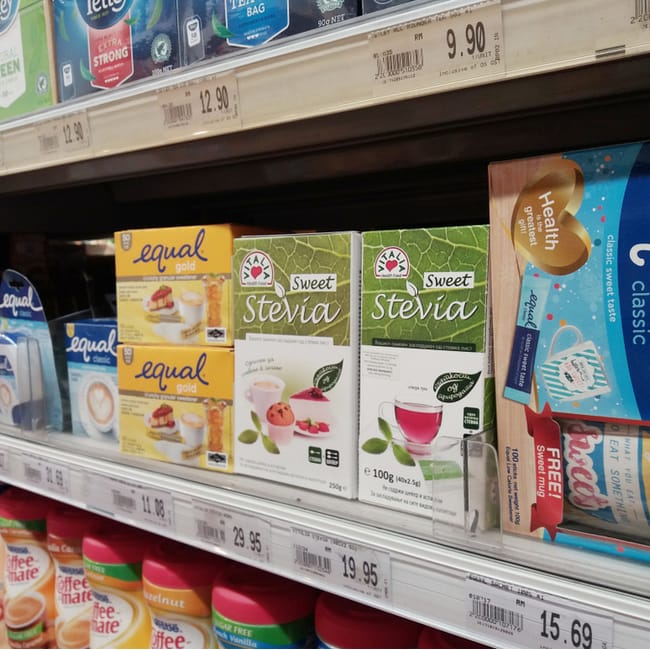
6. Artificial Sweeteners
Finally, it's important not to mistake artificial sweeteners for a healthy alternative to sugar. Sure, they may be calorie-free, but they're not risk-free. Dr. Heimburger warns that these sugar substitutes can confuse your body and brain in dangerous ways.
"Artificial sweeteners can spike your insulin without any calories or nutrients, totally disrupting your hunger hormones and your gut bacteria," she explains. Even worse, she says they don’t help curb cravings at all. "They train your brain to want MORE sweet, not less." Over time, this can make it harder to regulate appetite and blood sugar—especially for women navigating hormonal changes.