





This article alone should not be used as health advice. Speak to your doctor about the best choices for your personal wellbeing.
Carbohydrates are an important part of a balanced diet, but the types of carbs you eat can make a difference when it comes to blood sugar management. Foods made with refined grains and added sugars can cause blood sugar levels to rise quickly, making it more challenging to keep glucose levels stable throughout the day. According to the Centers for Disease Control and Prevention (CDC), choosing carbohydrate sources that contain more fiber, like whole grains, beans, and lentils, can help minimize their impact on blood sugar.
When you choose refined carbs instead and eat excessive amounts, you could put yourself at risk of insulin resistance. This is when the body’s cells don’t respond properly to insulin, the hormone that helps move glucose from the bloodstream into cells for energy. Over time, insulin resistance can contribute to prediabetes and type 2 diabetes, which is just another reason to ensure you follow a healthy diet. To learn which common carb-y foods could may make blood sugar harder to manage, we spoke to Jesse Feder, RDN, CPT, and Michelle Saari, MSc, RD from eHealth project. Find their insight below.

Women Are Swapping Their Boring Water For This Ice Pop Electrolyte Mix!
1. Breakfast Cereal
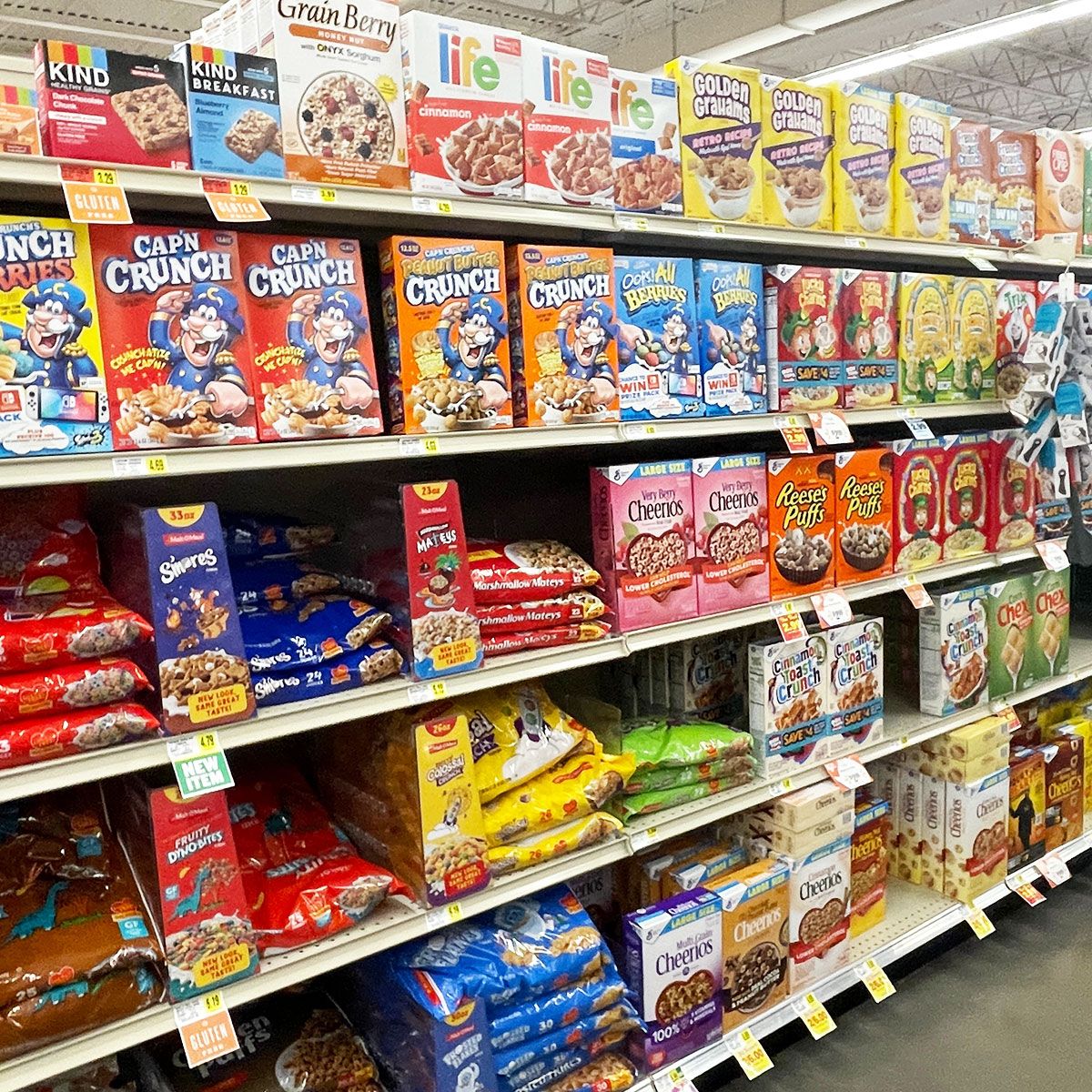
Breakfast cereals, often perceived as a convenient morning option, can have significant implications for health. Many commercially available cereals are laden with refined sugars and processed carbohydrates, contributing to a rapid spike in blood sugar levels when consumed. This spike is typically followed by a subsequent crash, leading to fluctuations in energy levels and potential cravings for more high-carb foods. The repetitive consumption of such cereals may also contribute to a slowing of metabolism over time, making weight management more challenging. Moreover, the persistent exposure to high levels of refined carbs can contribute to insulin resistance.
"Not all breakfast cereals are made equal, but they tend to be high in sugar without much other nutritional value. If a cereal doesn’t have fiber, then there is nothing to help regulate your blood sugars. If you want to have a morning breakfast cereal, look for one that has less than 10% of the calories from sugar, ideally there should be no sugar added to it at all. You can help to regulate your blood sugars by eating it with chopped fruit for a source of fiber, and milk which is a good source of protein. By having protein and fiber with foods it can help to slowly release sugar to your blood steam which helps to control blood sugar spikes," Saari says.

2. Muffins
Muffins, although often viewed as a convenient and tasty snack or breakfast choice, can contribute to spiked blood sugar levels and increased body weight due to their typically high sugar and refined flour content. The refined carbohydrates in muffins are quickly broken down into glucose, causing a rapid increase in blood sugar levels. This prompts the release of insulin to regulate blood sugar, which may lead to increased fat storage over time.
"Muffins are high in refined carbohydrates, sugars, fats, and calories. The high amount of sugar and carbs can lead to spikes in blood sugar levels. The high calorie and fat content can set you back hundreds of calories and lead to weight gain," Feder notes.

3. Bagels
Typically made from refined wheat flour, bagels lack the fiber found in whole grains, causing a rapid surge in blood glucose after consumption. This spike prompts the release of insulin to regulate blood sugar, potentially leading to increased fat storage. Additionally, the calorie density of bagels can be high, and their consumption may not provide the sustained feeling of fullness that comes with more fiber-rich, nutrient-dense options.
"Bagels are a very dense refined carbohydrate with around 50g of carbs per bagel. They are made typically with high glycemic flour which is digested quickly and can spike your blood sugars. Additionally, the high carb content is what gives bagels hundred of calories which can lead to an increase in body weight," says Feder.