



Supplements are often hailed as miracle-workers for a range of benefits, from better sleep to a sharper brain. But as it turns out, they’re not always all they’re cracked up to be—and in high doses, some can even have adverse effects. That includes products that promise to give your brain a boost.
We spoke to Dr. Kubanych, MD, Health & Wellness Advisor at NAO, to learn about a few supplements that could negatively impact your brain function if you’re not mindful of your consumption. From surprising offenders like ginseng to banned products like ephedra, find all of his warnings below.

Women Are Swapping Their Boring Water For This Ice Pop Electrolyte Mix!
1. Ginseng
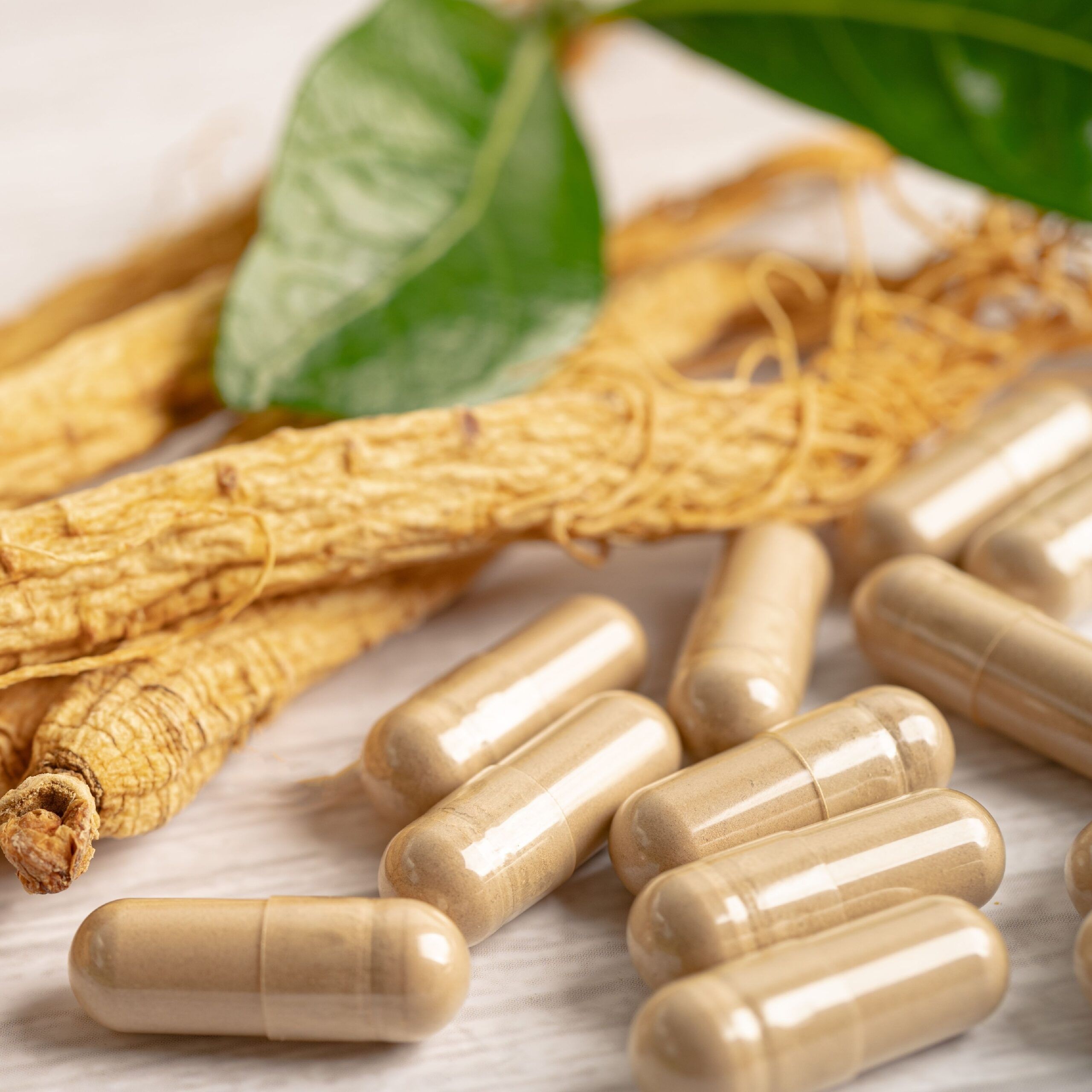
Ginseng is another herbal supplement that may come with brain health risks, particularly when consumed in excess. While some studies suggest it can boost cognitive function, Dr. Kubanych cautions that, like kava, certain types of ginseng might be neurotoxic or lead to dangerous interactions with other medications.
Because the supplement industry isn’t strictly regulated, the amount and quality of ginseng in products can differ. To avoid negative side effects, including insomnia and agitation, only use ginseng from trusted sources and in moderation.

2. Bitter Orange
Bitter orange, a common ingredient in weight loss supplements, can be especially dangerous for brain and heart health. Dr. Kubanych notes, "Supplements containing stimulants, such as bitter orange, can increase heart rate and blood pressure, potentially leading to anxiety, insomnia, and other neuropsychiatric symptoms."
For people already managing mental health conditions, bitter orange can worsen symptoms and even interfere with medications. Dr. Kubanych suggests opting for natural energy-boosting methods, such as improving diet and incorporating regular exercise, rather than relying on supplements containing stimulants.

3. Kava
Kava is widely used to reduce stress and anxiety, but it can be harmful when taken in large amounts or over extended periods. Dr. Kubanych warns that unregulated herbal supplements like kava "might have neurotoxic effects or interact negatively with other medications." The potential for dizziness, confusion, and even liver damage makes kava a risky option for managing anxiety, especially when purchased from unreliable sources.
Because kava products lack standardization, the safety and potency of different brands can vary. To minimize risk, always choose kava from well-known brands that adhere to quality control standards.
4. Ephedra
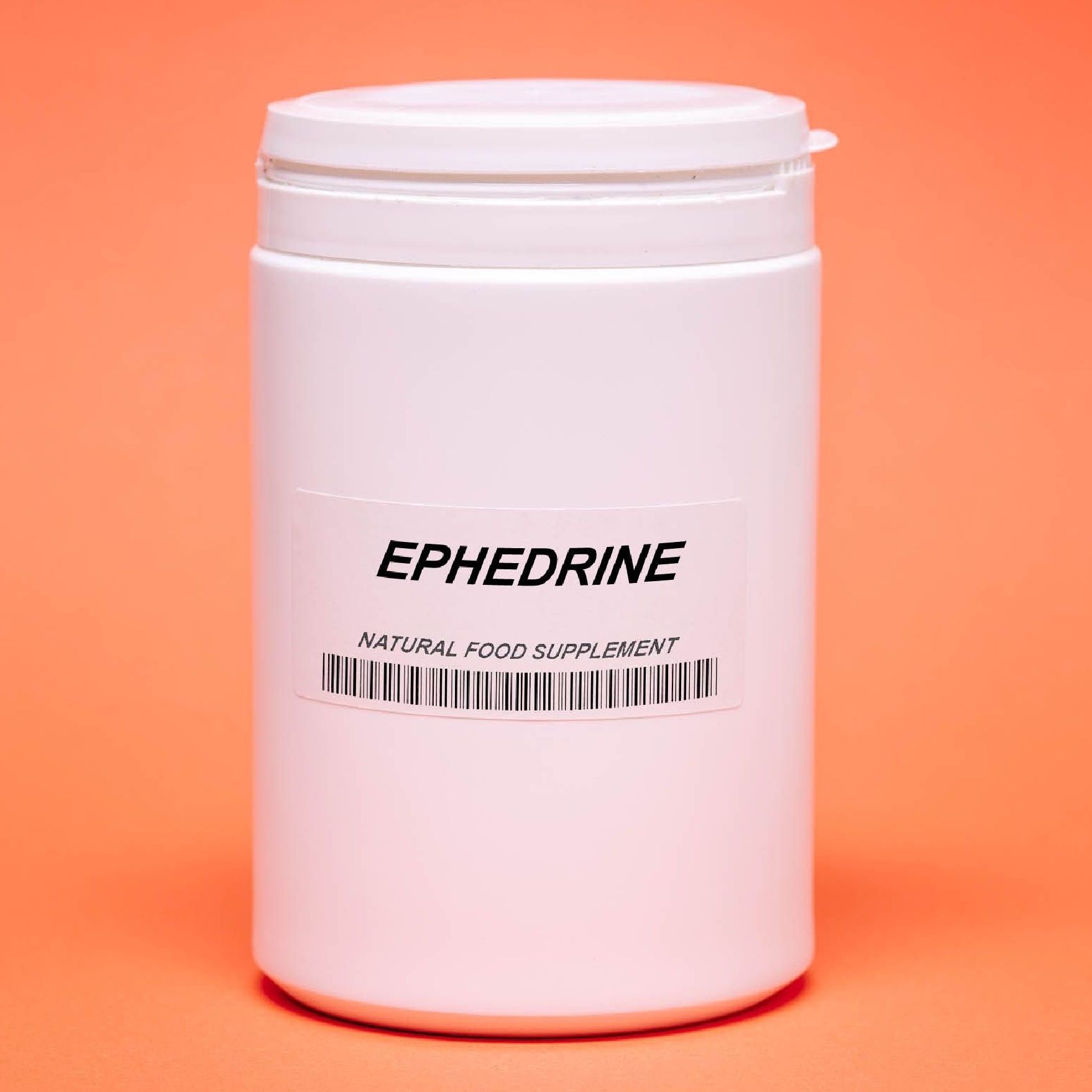
Like bitter orange, ephedra is a stimulant once popular in weight loss products. Despite its effectiveness in boosting energy, it comes with dangerous neurological side effects, among a plethora of other health risks.
Ephedra is banned in several countries due to its association with severe health risks like heart attacks and strokes. Though some products still contain it, it’s best avoided, particularly for those with a history of mental health issues.