




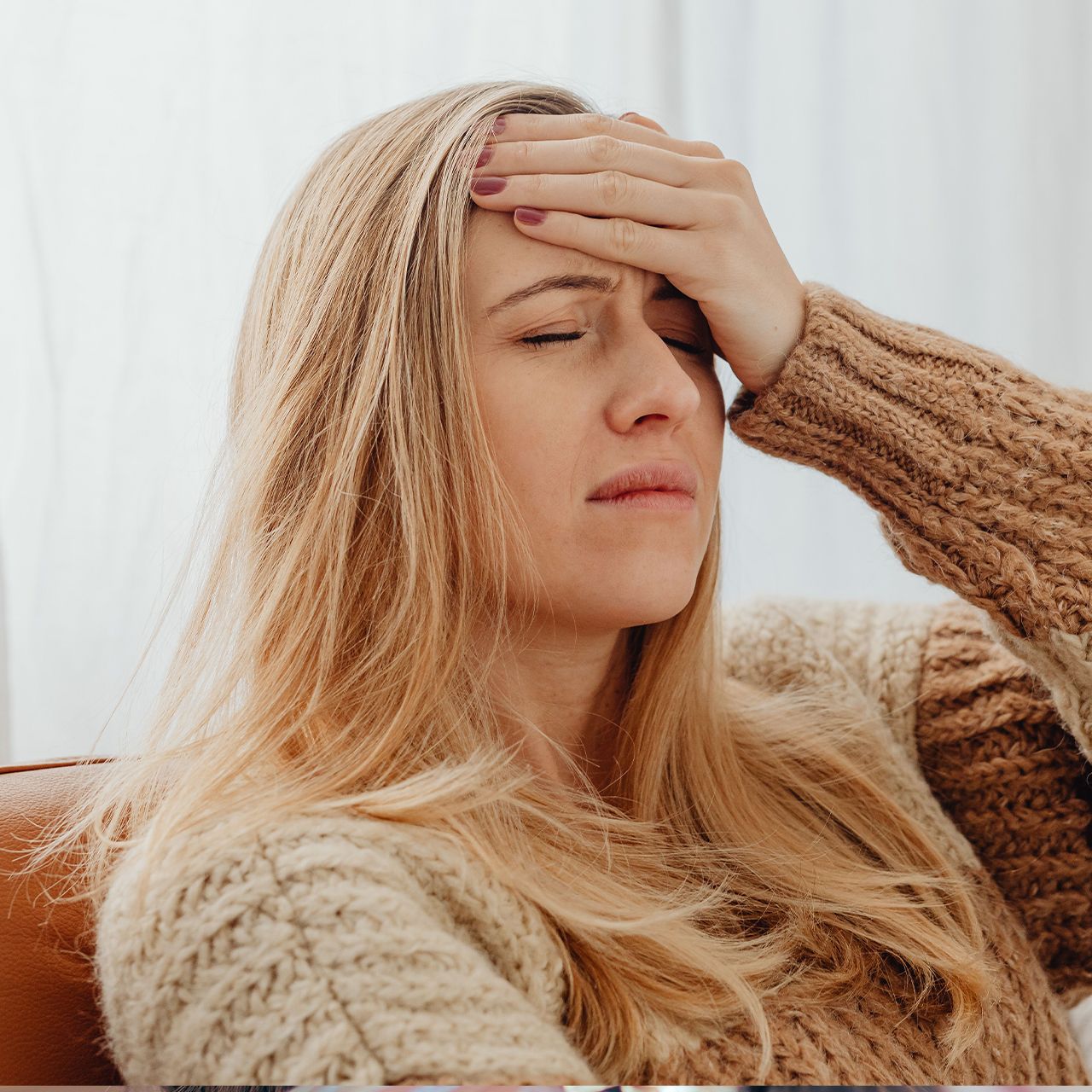
Estrogen is often associated with reproductive health, but the hormone plays a much bigger role throughout the body. When estrogen levels begin to decline—especially during perimenopause and menopause—many women may notice changes that go beyond hot flashes and irregular periods.
According to Dr. Jolene Brighten, a women’s health expert, symptoms like brain fog, joint pain, mood changes, and recurring infections could all be signs that estrogen levels are lower than they should be.
In a video shared on social media, Dr. Brighten explained that many women may not realize their symptoms are connected to changing estrogen levels.
“If you’re dealing with joint pain, brain fog, depression, maybe finding it’s difficult to concentrate, or you have an increase in UTIs, inside your ears are itching, or maybe you started having ringing in your ears—and down there, every time you do it hurts—you’re probably dealing with low estrogen,” she said.
Here are some unexpected signs Dr. Brighten says may be linked to low estrogen.
@drjolenebrighten Low estrogen symptoms can majorly impact your life. Low estrogen is normal in menopause. It’s not normal if you should be cycling. If you’re postpartum, that’s a temporary low estrogen state. #lowestrogen #lowestrogensymptoms #lowestrogenlevels #menopausesymptoms #perimenopausehealthtips #perimenopausehealth ♬ September (Dreamy Version) – JU$t
1. Brain Fog And Trouble Concentrating
Feeling forgetful, mentally drained, or struggling to focus can be frustrating, especially for women who previously felt sharp and energized. Estrogen plays a role in brain function, including areas involved with memory, mood regulation, and cognition.
As estrogen levels fluctuate during perimenopause, some women report experiencing more difficulty concentrating or feeling like they are in a “mental fog.”
2. Joint Pain And Body Aches
While joint discomfort is often blamed on aging, hormonal changes can also play a role. Estrogen helps support inflammation regulation and connective tissue health, meaning lower levels may contribute to increased stiffness, aches, or discomfort.
3. Mood Changes And Depression
Estrogen interacts with neurotransmitters involved in mood, including serotonin. When estrogen declines, some women may notice increased feelings of sadness, anxiety, irritability, or emotional changes.
Dr. Brighten noted that mood changes can sometimes be overlooked as simply stress or life circumstances when hormones may also be contributing.
4. More Frequent UTIs And Vaginal Changes
Estrogen helps maintain healthy vaginal and urinary tissues. When levels drop, some women may experience increased urinary tract infections, vaginal dryness, discomfort during intimacy, or irritation.
Dr. Brighten explained that pain during sex can be another potential sign that estrogen levels have changed.
5. Ear Changes, Including Itching Or Ringing
Less commonly discussed symptoms of low estrogen may include changes involving the ears, such as itching or ringing sensations. Hormonal fluctuations can affect different tissues throughout the body, though anyone experiencing persistent ear symptoms should speak with a healthcare provider to rule out other causes.

Women Are Swapping Their Boring Water For This Ice Pop Electrolyte Mix!

Why Low Estrogen Happens
For women over 45, declining estrogen levels are often a natural part of perimenopause and menopause. However, Dr. Brighten emphasized that it is still important to understand why estrogen is low—especially if symptoms appear earlier than expected.
She noted that low estrogen may also be connected to conditions such as primary ovarian insufficiency, autoimmune disease, pituitary gland dysfunction, or significant weight loss caused by restrictive dieting and excessive exercise.
What To Do If You Suspect Low Estrogen
Dr. Brighten encouraged women experiencing these symptoms to investigate the underlying cause rather than simply accepting them as something they have to live with.
While estrogen changes are a normal part of aging, there are many ways to support health during this transition, including working with a healthcare provider to evaluate hormone levels, addressing nutrition and lifestyle factors, and discussing treatment options when appropriate.
“No matter what the causes of low estrogen, there’s a whole lot that you can do about it,” Dr. Brighten said. Recognizing the signs early can help women better understand their bodies and find the right support through hormonal changes.