




This article alone should not be taken as health advice. Speak to a doctor for the best plan for your personal health goals.
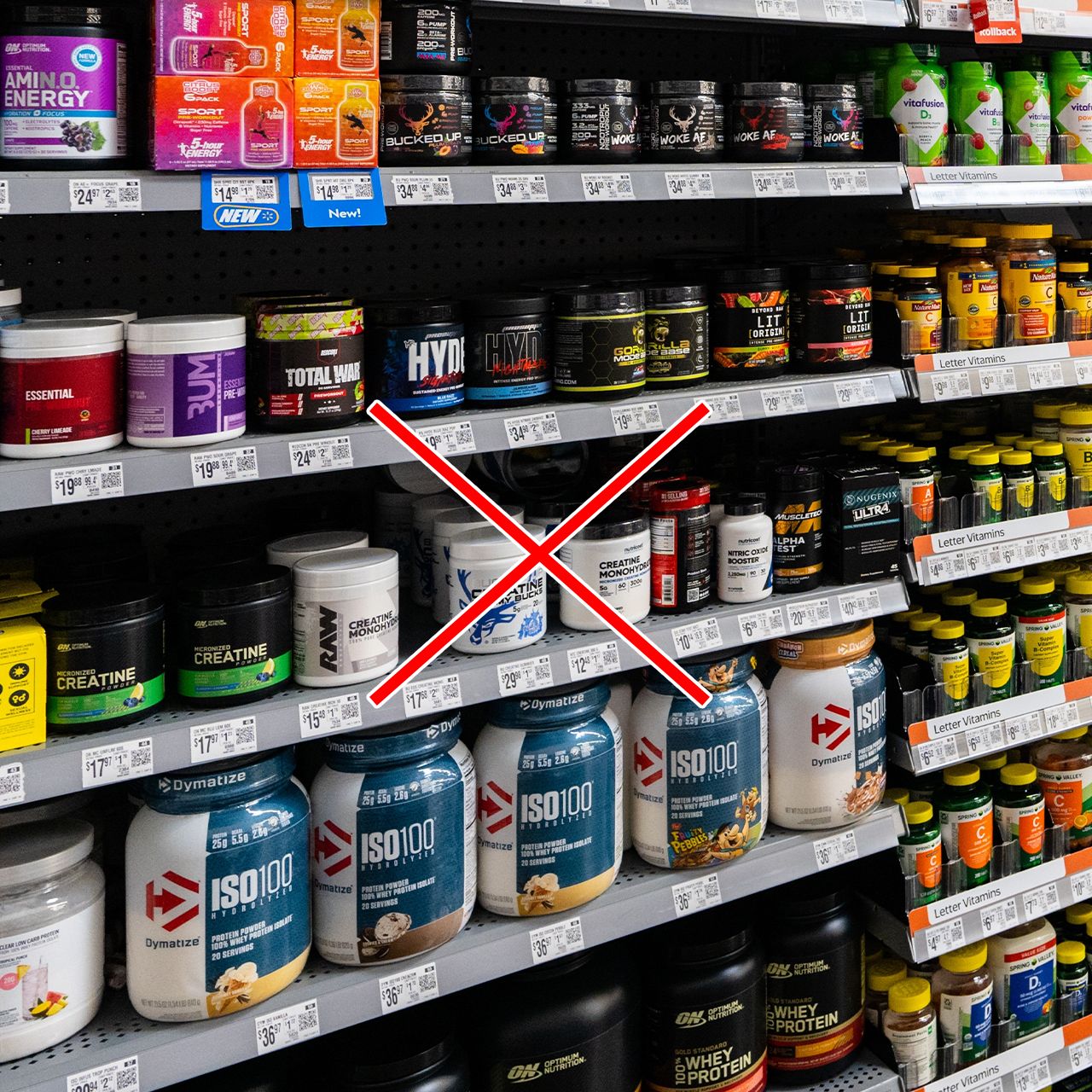
Supplements can seem like an easy way to support your health, whether you’re trying to boost your energy, prevent nutrient deficiencies, or recover after a workout. But there are certain mistakes that can put your health at risk—especially when it comes to your heart. Even seemingly harmless habits, like taking potassium for muscle cramps or combining multiple sources of caffeine, can be dangerous.
Jimah Alsaai, a UK-registered pharmacist based in London and the founder of Solira, warns that common supplement mistakes can disrupt electrolyte levels and affect heart rhythm, potentially leading to serious complications. From taking too much potassium to doubling up on vitamins, here are four mistakes he says you should avoid.

Women Are Swapping Their Boring Water For This Ice Pop Electrolyte Mix!

1. Taking Potassium with Certain Medications
Potassium is important. It helps regulate muscle contractions, nerve signals, and your heartbeat. However, too much potassium in the blood, known as hyperkalemia, can cause dangerous heart rhythms and even cardiac arrest. According to MedlinePlus, kidney problems and certain medications can increase the risk.
Alsaai warns against taking potassium supplements or using potassium-based salt substitutes without considering your medications. ACE inhibitors like lisinopril, ARBs like losartan, and potassium-sparing diuretics like spironolactone can increase potassium levels, particularly in people with kidney problems. "Potassium helps carry the electrical signal that keeps the heart in rhythm," he explains. "Too much disrupts that signal and can cause dangerous rhythms or, at very high levels, cardiac arrest, often with little warning." Talk to your healthcare provider and get your blood levels checked before starting potassium supplements.

2. Losing Potassium Without Realizing It
Having too little potassium can also affect your heart. Vomiting, diarrhea, laxative use, and certain diuretics can deplete potassium and other electrolytes, increasing the risk of abnormal heart rhythms. MedlinePlus lists these among the potential causes of hypokalemia, or low potassium.
Alsaai cautions that detox teas containing senna, as well as diuretics like hydrochlorothiazide and furosemide, can contribute to potassium loss. People taking weight-loss injections should also pay attention to persistent gastrointestinal symptoms. "Many of our patients are on weight-loss injections, where sickness and diarrhea are common in the first few weeks, so we ask about it at every check-in," he says. If you're experiencing ongoing vomiting or diarrhea, contact a healthcare professional rather than automatically starting an electrolyte supplement.

3. Combining Too Many Stimulants
Pre-workout powders, coffee, and energy drinks can quickly add up to a high daily caffeine intake. "Many pre-workouts have 200mg or more of caffeine per scoop," Alsaai warns. Combining them with other caffeinated drinks can push you past the 400 milligrams per day that the FDA says is generally not associated with negative effects for most adults.
Excessive caffeine can cause palpitations and may increase the risk of abnormal heart rhythms, especially in people with underlying heart conditions. Check the caffeine content of your supplements and drinks, and remember that individual tolerance varies. If you experience recurring palpitations after consuming caffeine, consult a healthcare professional.

4. Doubling Up on Vitamins and Fish Oil
Taking a multivitamin alongside separate vitamin D and bone-health supplements can cause your total intake to climb without you realizing it. Excessive vitamin D over time can lead to hypercalcemia, or high calcium levels in the blood, which can cause heart rhythm problems. The National Institutes of Health warns that vitamin D toxicity can cause serious complications, including cardiac arrhythmias in severe cases.
Alsaai also cautions against assuming that higher doses of fish oil are always better. A 2021 analysis of clinical trials published in Circulation found an association between omega-3 supplementation and an increased risk of atrial fibrillation, particularly at doses above one gram daily. This doesn't mean everyone taking fish oil will develop an arrhythmia, but it's another reason to review your dosage with a healthcare professional instead of taking more than recommended.
How To Take Supplements More Safely
Alsaai recommends telling your pharmacist about every medication and supplement you take, including herbal teas and salt substitutes. Before starting potassium, get your blood levels checked, and ask whether your existing medications could affect your electrolyte balance.
If you develop palpitations, dizziness, fainting, or chest pain after starting a supplement, seek urgent medical attention. Call 911 for chest pain, fainting, or other potentially serious cardiac symptoms. Supplements can be beneficial when used appropriately, but checking your doses and potential interactions can help you avoid unnecessary risks.