




If you often wake up feeling anxious or already exhausted, your cortisol levels may be to blame—and your diet could be playing a major role. Cortisol, the body’s primary stress hormone, naturally rises in the morning to help us feel alert and energized. But when this hormone stays elevated for too long, it can contribute to anxiety, weight gain, blood sugar crashes, fatigue, and poor sleep.
According to nutritional therapist Alison Bladh, one of the most effective ways to support healthy cortisol levels is by adding the right foods to your breakfast plate. A cortisol-supportive breakfast, she says, should stabilize blood sugar, nourish the nervous system, and reduce inflammation. Below, find the five foods she recommends to do just that.

Women Are Swapping Their Boring Water For This Ice Pop Electrolyte Mix!

1. Blueberries
Blueberries may be small, but they're mighty, especially when it comes to lowering stress! "Blueberries are rich in polyphenols, particularly anthocyanins, which have been shown to reduce oxidative stress and inflammation," Bladh says. Since chronic inflammation is a known driver of elevated cortisol, antioxidant-rich foods can do wonders.
She also notes that blueberries have a low glycemic impact, meaning they won’t cause sharp blood sugar spikes. "Stable blood sugar in the morning is critical for preventing cortisol surges later in the day," Bladh explains.
To reap these benefits, add a small handful to Greek yogurt, protein-rich smoothies, porridge with added protein, or cottage cheese bowls.

2. Eggs
Eggs aren't just a high-protein staple; they're also one of the most cortisol-supportive breakfast foods you can eat. "Eggs provide high quality protein along with choline, B vitamins and healthy fats, all of which are essential for nervous system function and adrenal health," Bladh says.
Protein is especially important first thing in the morning. "Protein at breakfast has been shown to blunt the cortisol response by stabilizing blood glucose and reducing the need for the body to release stress hormones for energy," she explains. Choline also supports neurotransmitter production, which plays a role in stress resilience and cognitive function.
Try this: Scrambled eggs with spinach and smoked salmon, omelettes with mushrooms, or boiled eggs with wholegrain toast and avocado. Bladh notes that spinach adds magnesium and folate, smoked salmon contributes omega-3s that may reduce stress-related cortisol responses, and avocado helps slow digestion for steadier blood sugar.

3. Oats
Oats are a comforting, beneficial breakfast choice that also helps keep stress hormones in check. “Oats deliver slow, steady energy and they are naturally rich in nutrients that calm the nervous system,” Bladh says. Their complex carbohydrates and soluble fiber—particularly beta glucans—slow digestion and glucose release into the bloodstream.
This matters because "blood sugar dips are one of the most common hidden triggers for cortisol spikes," she explains. When glucose drops, the body releases cortisol to mobilize energy. Oats help prevent that rollercoaster, which can mean fewer mid-morning cravings, less shakiness, and a calmer mood.
Oats are also a natural source of magnesium. "Magnesium is used up more quickly during periods of chronic stress," Bladh says, making magnesium-rich foods especially helpful for women who feel wired, anxious, or struggle with sleep. She adds that the fiber in oats supports gut bacteria, which is increasingly linked to balanced stress responses through the gut-brain axis.
Choose plain rolled or steel-cut oats cooked with milk or fortified plant milk. Add Greek yogurt or cottage cheese for protein, nuts or seeds for healthy fats, blueberries for antioxidants, and cinnamon to support blood sugar control.

4. Greek Yogurt
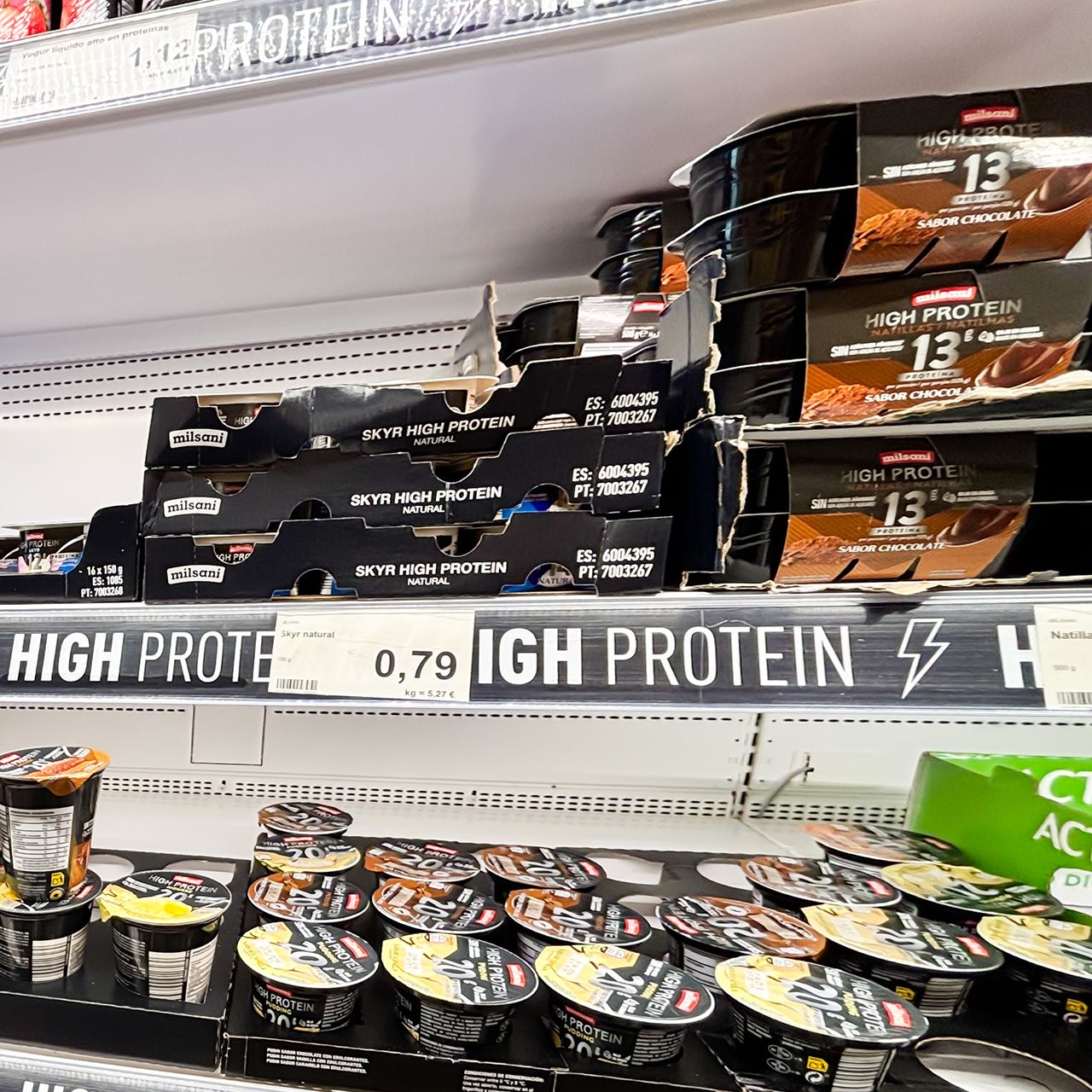
Greek yogurt offers a powerful combination of protein and probiotics. "Protein supports blood sugar balance, while probiotics influence the gut brain axis," Bladh explains. Research increasingly shows that a healthy gut microbiome is associated with reduced stress responses and lower cortisol levels.
She also notes that fermented foods can improve nutrient absorption, which supports overall metabolic and hormonal health—key factors in managing stress. Serve Greek yogurt with berries and seeds, blend into smoothies, or pair with oats for a balanced, cortisol-friendly breakfast.

5. Nuts and Seeds
Nuts and seeds may be small additions, but they have a big impact on stress regulation. "Nuts and seeds provide magnesium, zinc, healthy fats and plant-based protein, all of which play a role in stress regulation," Bladh says.
Magnesium, in particular, is crucial. "Magnesium is known to reduce cortisol secretion and support relaxation by calming the nervous system," she explains. Healthy fats also slow digestion, preventing rapid blood sugar changes that can trigger cortisol spikes. Sprinkle seeds over yoghurt or oats, add nut butter to toast, or blend ground seeds into smoothies or porridge.
All in all, Bladh emphasizes that a cortisol-supportive breakfast should prioritize protein, fiber, healthy fats, and antioxidants. "Skipping breakfast or relying on refined carbohydrates can drive cortisol higher, particularly in women under chronic stress," she says. Luckily, small, consistent choices can go a long way!