


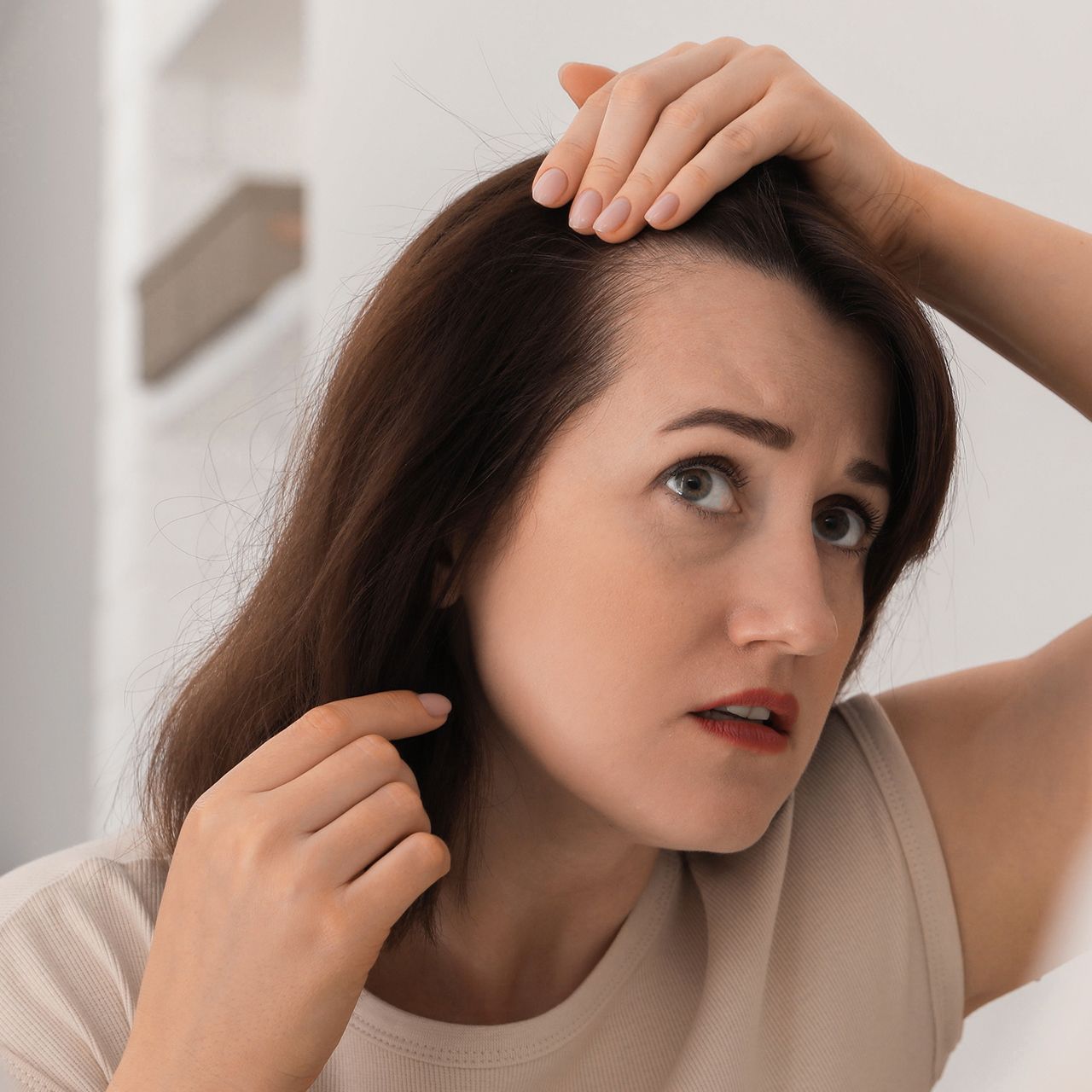
Healthy-looking hair starts with more than just the right shampoo or styling products—your everyday habits play a big role, too. While it’s completely normal to shed some hair each day, certain routines can put extra stress on your strands and scalp over time, making thinning and even bald spots more likely. A few simple changes can go a long way toward keeping your hair looking fuller and healthier.
If you’ve noticed more hair in your brush or your ponytail feels a little thinner than it used to, it’s worth taking a closer look at your daily routine. Some common hair habits may be doing more harm than you realize, but they’re also some of the easiest to fix. Here are three habits experts recommend breaking—and what to do instead to help protect your hair and support stronger, healthier growth.

Women Are Swapping Their Boring Water For This Ice Pop Electrolyte Mix!
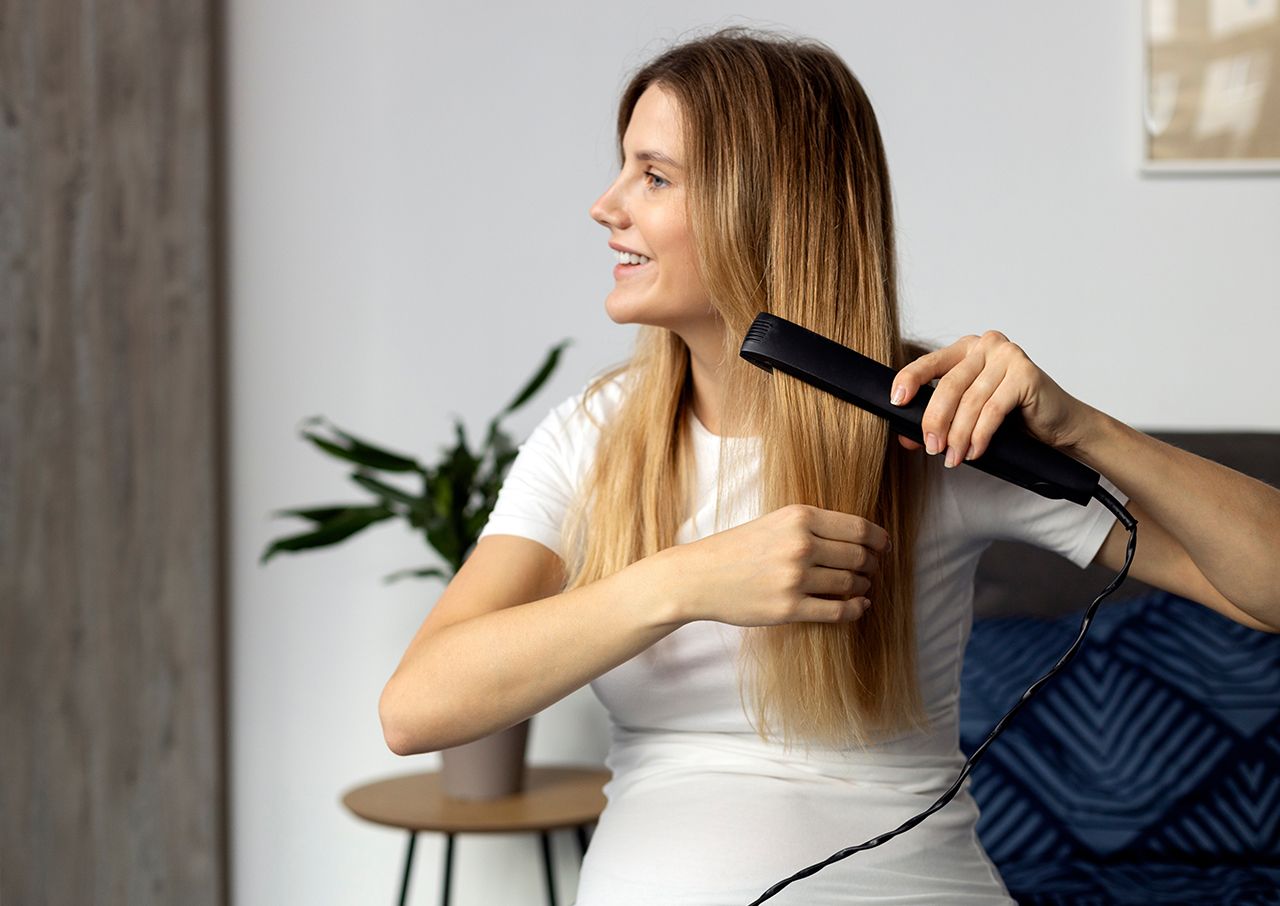
1. Excessive Heat
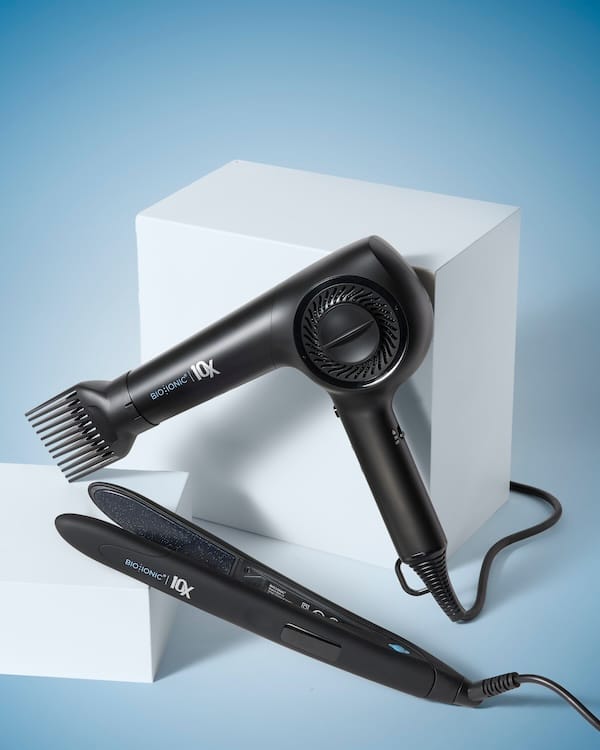
Regularly using blow dryers, flat irons, and curling wands on high heat can weaken the hair shaft, making strands more prone to dryness, split ends, and breakage. While heat doesn't typically damage the hair follicle itself, it can cause breakage that can make hair appear noticeably thinner and less healthy. To help preserve your hair's strength, lower the temperature on your styling tools, always apply a heat protectant before styling, and eopt for air-drying or heat-free styles whenever you can.
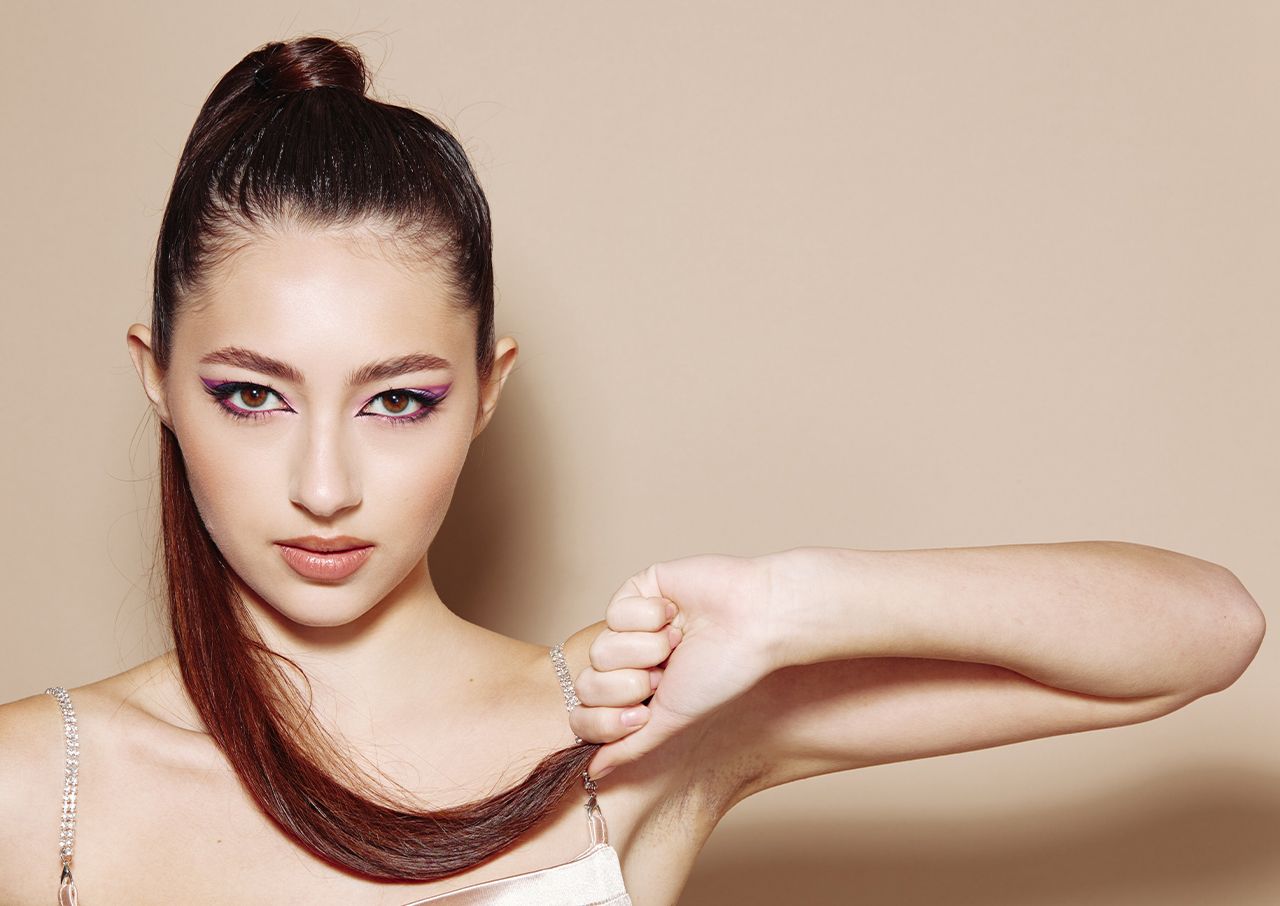
2. Wearing Tight Hairstyles
Constantly wearing your hair in tight ponytails, buns, braids, or slicked-back styles can put ongoing tension on your hair follicles, increasing the risk of a type of hair loss called traction alopecia. Over time, this repeated pulling may lead to thinning around the hairline and temples, and in severe cases, bald spots can develop. To protect your hair, opt for looser hairstyles whenever possible, switch up where you place your ponytail or bun, and use soft hair ties that don't snag to minimize pulling and breakage.
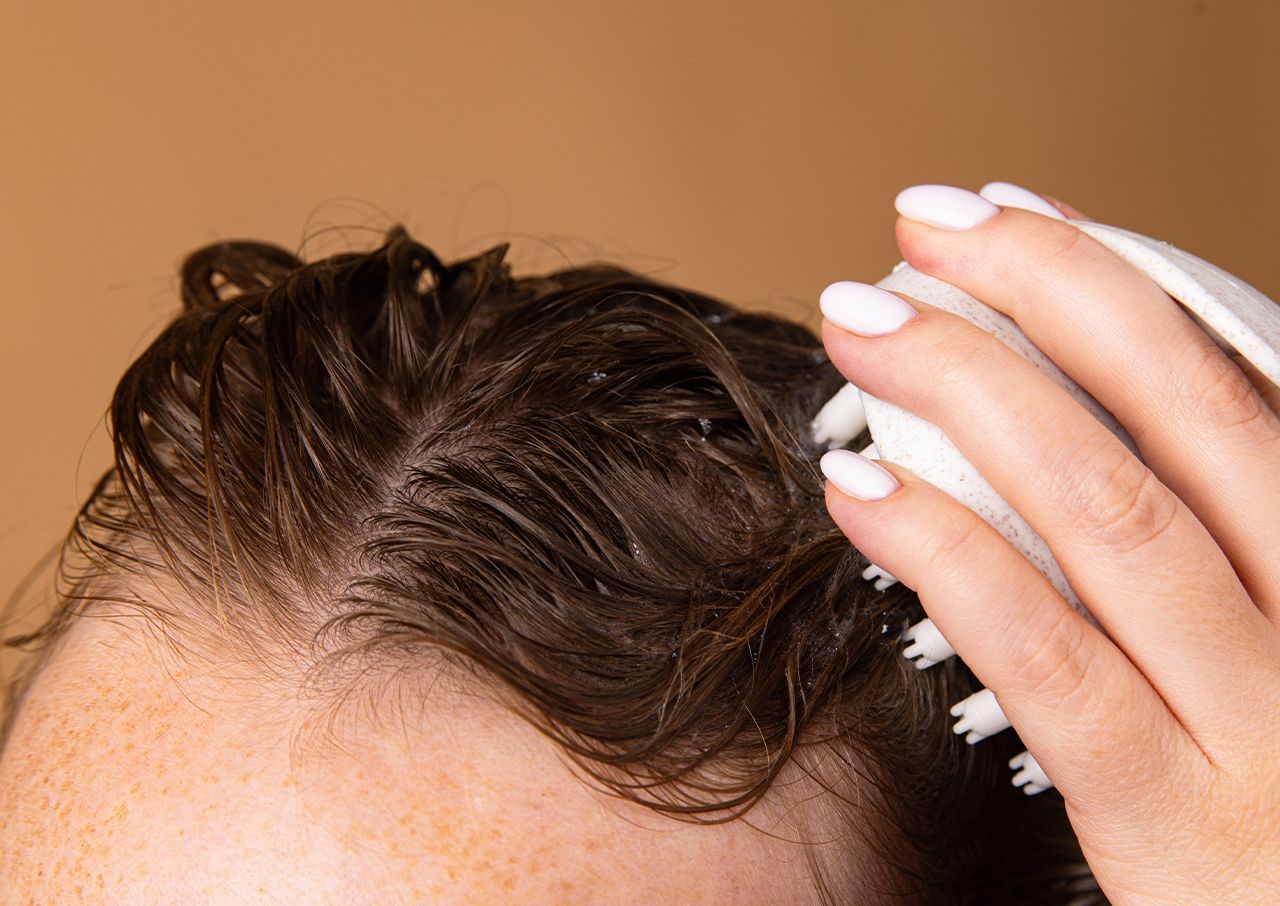
3. Ignoring Scalp Health
A healthy scalp creates the ideal environment for healthy hair growth, so neglecting it can contribute to more shedding over time. Product buildup, excess oil, dandruff, or ongoing scalp irritation can interfere with the condition of your hair and may leave follicles under unnecessary stress. The fix is to treat your scalp with the same care you give your skin: cleanse regularly with a shampoo that's right for your scalp type, gently exfoliate occasionally if you have buildup, and address persistent itching, flaking, or inflammation with the help of a dermatologist if needed.