

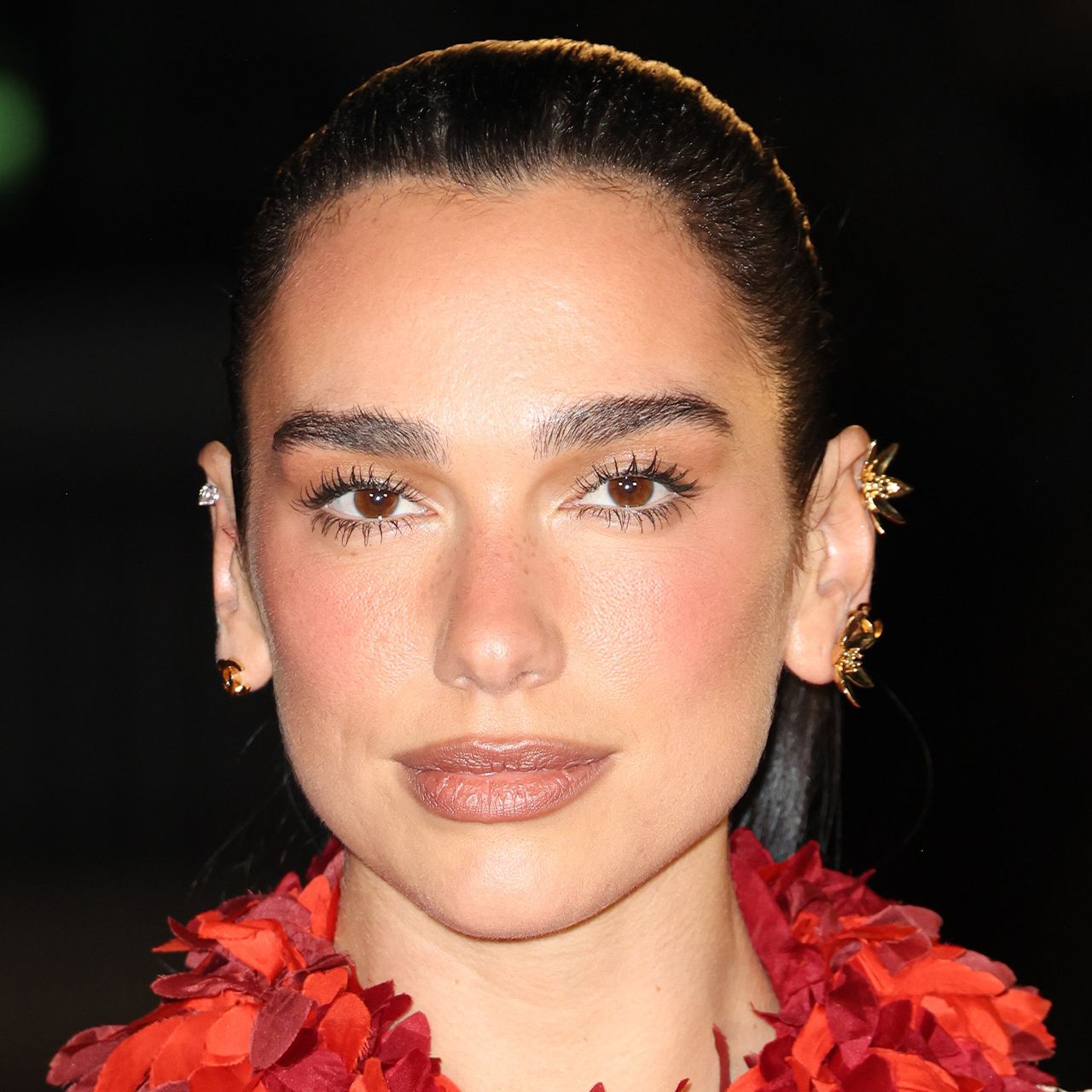

If people constantly ask whether you’re tired—even when you slept well and feel completely energized—you’re not alone. According to facial plastic surgeon Dr. Amir Karam, it’s one of the most common concerns patients bring up.
Surprisingly, the issue often has very little to do with sleep. Instead, subtle changes in the structure of the face and skin can create visual cues that make someone appear fatigued—even when they feel perfectly fine.
“These cues usually come down to darkness under the eyes, hollowing, deflation in the cheeks, and dull skin,” Karam explains. “Sometimes even the shape of the eyes or mouth turning downward can contribute to the tired look.”
Here are the main reasons your eyes may look tired—even if your sleep schedule is on point.

Women Are Swapping Their Boring Water For This Ice Pop Electrolyte Mix!

1. Under-Eye Hollowing Creates Shadows
One of the biggest culprits behind a tired appearance is under-eye hollowing, sometimes called tear troughs.
As we age—or due to genetics—the fat pads that support the lower eyelid can shrink or shift. This creates a hollow area between the lower eyelid and the cheek, causing shadows that make the eyes look darker and more fatigued.
“When the area under the eye loses volume, it elongates the distance between the eyelid and the cheek,” Karam explains. “That contour and shadowing instantly signals ‘tired’ to other people.”
Even younger people can experience this due to genetics.

2. Loss of Volume in the Cheeks
The midface area, especially the upper cheeks, plays a big role in how refreshed your eyes look.
When cheeks lose volume or begin to descend over time, the area under the eyes loses support. This can make the face look gaunt or hollow and exaggerate under-eye shadows.
Karam notes that this doesn’t always happen only with aging—pregnancy, weight changes, or genetics can cause it earlier as well.
“When the cheek begins to flatten or drop, the eye area loses support and the face starts to look tired,” he says.

3. Skin Quality Declines Over Time
Even if your facial structure hasn’t changed dramatically, skin quality alone can make you look fatigued.
Starting in our mid-20s, collagen production begins to slow, which affects:
- Skin thickness
- Hydration levels
- Elasticity
- Evenness of tone
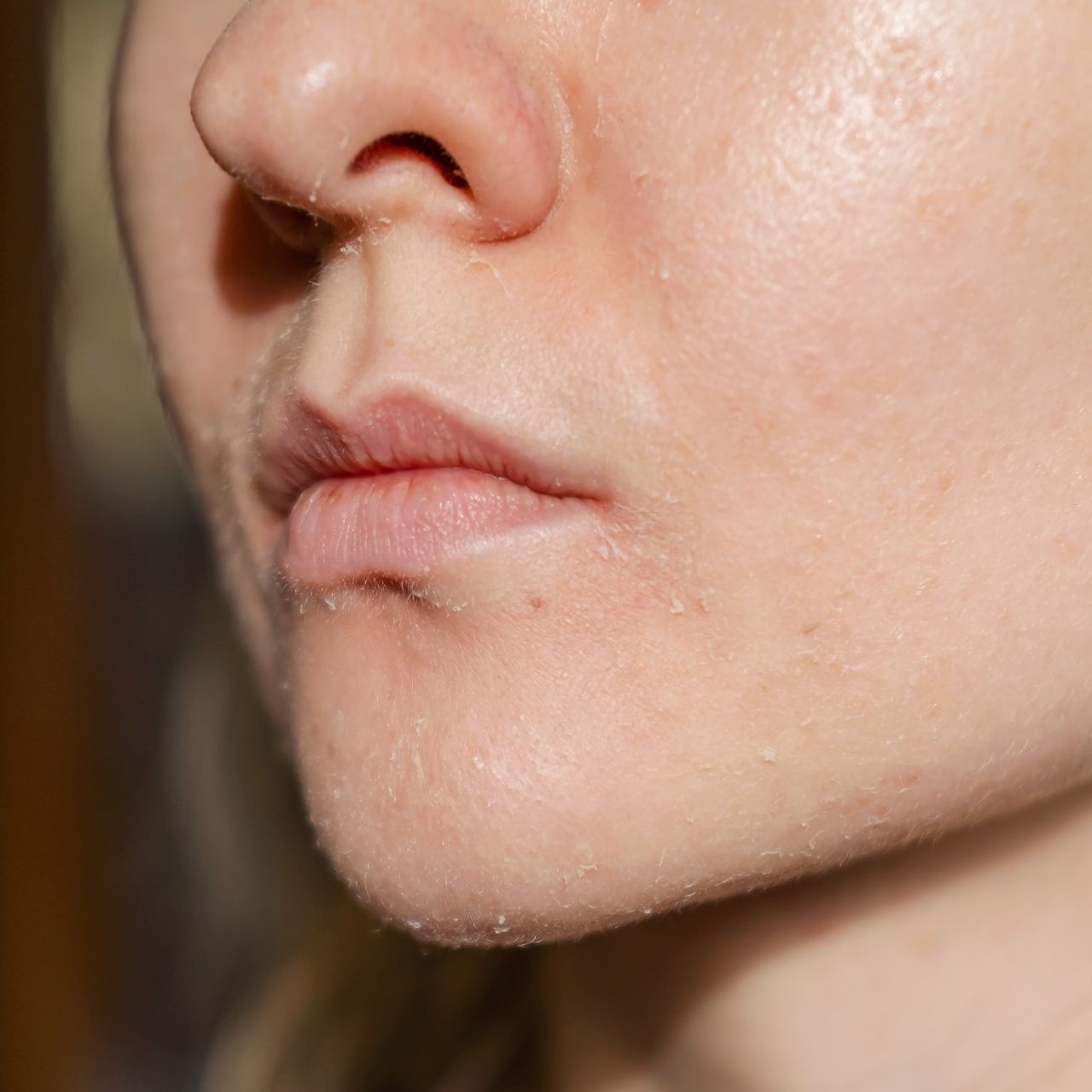
Dehydrated or uneven skin reflects light poorly, which can make the complexion appear dull instead of bright. “The skin becomes thinner and dehydrated, and discoloration starts to appear,” Karam says. “When light doesn’t reflect evenly off the skin, the face looks dull and tired.”

4. Lifestyle Factors Can Worsen It
While structural changes are often the main cause, lifestyle habits can amplify the tired look. According to Karam, factors like:
- Chronic stress
- Excess alcohol
- Smoking
- Poor diet
- Sun exposure
- Inconsistent skincare
can increase inflammation and worsen dullness or discoloration in the skin.
“The skin is the largest organ in the body, so it reflects what’s happening internally,” he explains. Many people try to correct tired-looking eyes by testing countless eye creams—but they often don’t see much improvement. That’s because creams typically address surface skin issues, not the structural changes underneath.
“Most of the problem isn’t just the skin,” Karam says. “It’s the structure and volume of the face.” While good skincare can improve brightness and hydration, deeper issues like volume loss or under-eye bags require different approaches.
What Actually Helps
According to Karam, improving a tired appearance often requires addressing several layers:
Healthy skin foundation
- Retinol to encourage cell turnover
- Vitamin C to brighten skin
- Peptides and niacinamide to support collagen and reduce inflammation
Lifestyle support
- Adequate sleep
- Hydration
- Sun protection
- Gentle exfoliation
Structural treatments when needed
- Small amounts of filler for mild hollowing
- Fat transfer for more volume loss
- Procedures like blepharoplasty to correct under-eye bags
Looking tired isn’t always a sign you need more sleep. In many cases, it’s the result of under-eye hollowing, cheek volume loss, or declining skin quality that creates shadows and dullness around the eyes. Understanding the real cause is key.
Once you identify whether the issue is related to skin health, facial structure, or lifestyle habits, it becomes much easier to find solutions that help you look as refreshed as you actually feel.