



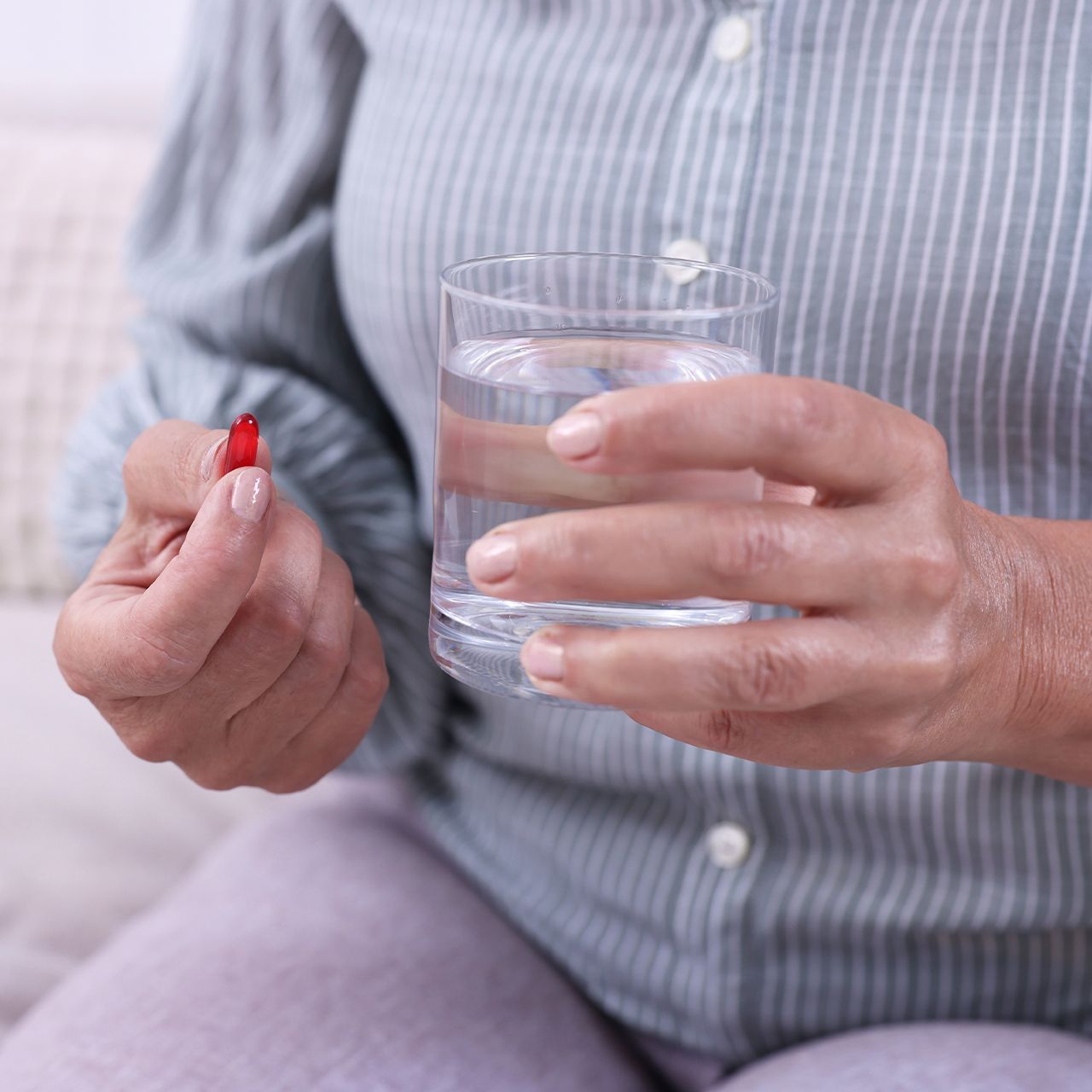
As we get older, many of us start paying closer attention to the supplements we take in hopes of supporting our energy, heart health, bones, and overall well-being. While some vitamins and supplements can be beneficial when they’re recommended for your individual needs, experts say more isn’t always better. In fact, certain supplements may offer little benefit—or even come with risks—especially if they’re taken unnecessarily or in high doses.
That’s why it’s worth taking a closer look at what’s in your daily routine. Doctors say that after 50, focusing on a balanced diet, regular exercise, quality sleep, and quality supplements based on your health needs is often a smarter approach than relying on trendy products. Here are two supplements that experts recommend approaching with caution as you age because they aren’t the best choices.

Women Are Swapping Their Boring Water For This Ice Pop Electrolyte Mix!
1. High Doses of Beta Carotene
Beta carotene is a plant pigment that the body converts into vitamin A, and it's found in colorful fruits and vegetables like carrots, sweet potatoes, and squash. However, doctors caution against taking high-dose beta carotene supplements for healthy aging, especially if you smoke or have a history of smoking.
Studies have shown that these supplements may increase the risk of lung cancer in smokers, and there's little evidence that taking large amounts provides anti-aging benefits for the general population. Instead of relying on supplements, experts recommend eating a variety of brightly colored produce, which delivers beta carotene alongside fiber, vitamins, and other beneficial plant compounds that support overall health.
2. High Doses of Vitamin E
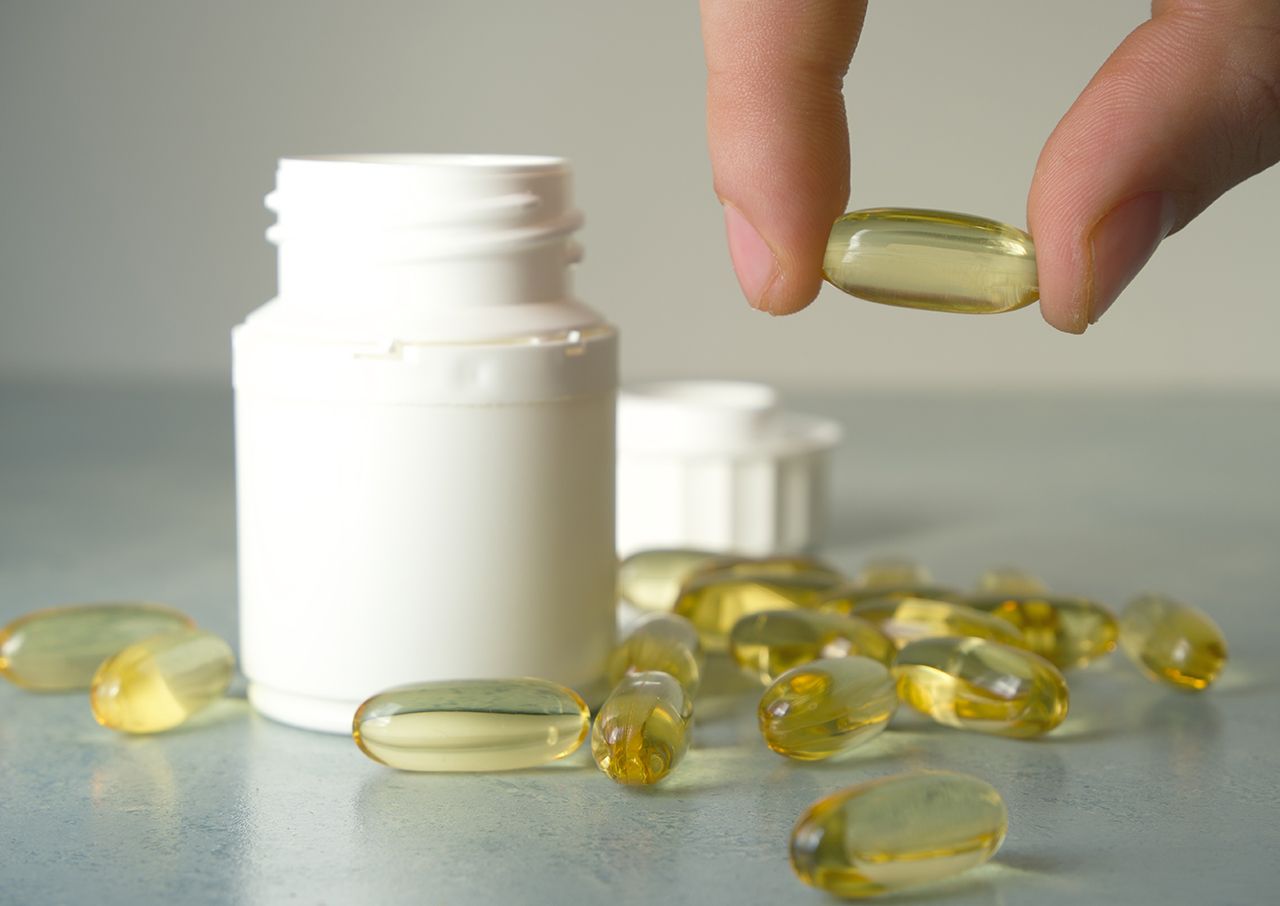
Vitamin E is an important antioxidant that helps protect cells from damage, but taking it in high-dose supplement form isn't recommended for most adults—especially after 50.
While it's often marketed for heart health and healthy aging, research has found that excessive amounts may increase the risk of bleeding, particularly for people taking blood thinners, and may even be linked to a higher risk of hemorrhagic stroke. Most people can meet their vitamin E needs through foods like almonds, sunflower seeds, spinach, and avocados, making high-dose supplements unnecessary unless your doctor has diagnosed a deficiency or recommended them for a specific medical reason.