



Walk down any beauty aisle and you’ll find countless supplements promising glowing skin, fewer wrinkles, thicker hair, and stronger nails. But according to board-certified dermatologist Andrea Suarez, most of these trendy products lack strong independent research to support their claims.
Instead of focusing on influencer favorites like collagen powders or anti-aging blends, Dr. Dray recently highlighted a handful of supplements that have credible scientific evidence behind them—and are sometimes recommended by dermatologists as part of a treatment plan for specific skin concerns.
It’s important to note that supplements aren’t necessary for everyone and should never replace medical treatment. Dr. Dray emphasizes that supplements can interact with medications and underlying health conditions, so it’s always best to consult your doctor before adding anything new to your routine.
Here are five evidence-backed supplements that stand out in dermatology.

Women Are Swapping Their Boring Water For This Ice Pop Electrolyte Mix!

1. N-Acetylcysteine (NAC)
N-acetylcysteine, commonly known as NAC, is a derivative of the amino acid cysteine and is known for its antioxidant and anti-inflammatory properties.
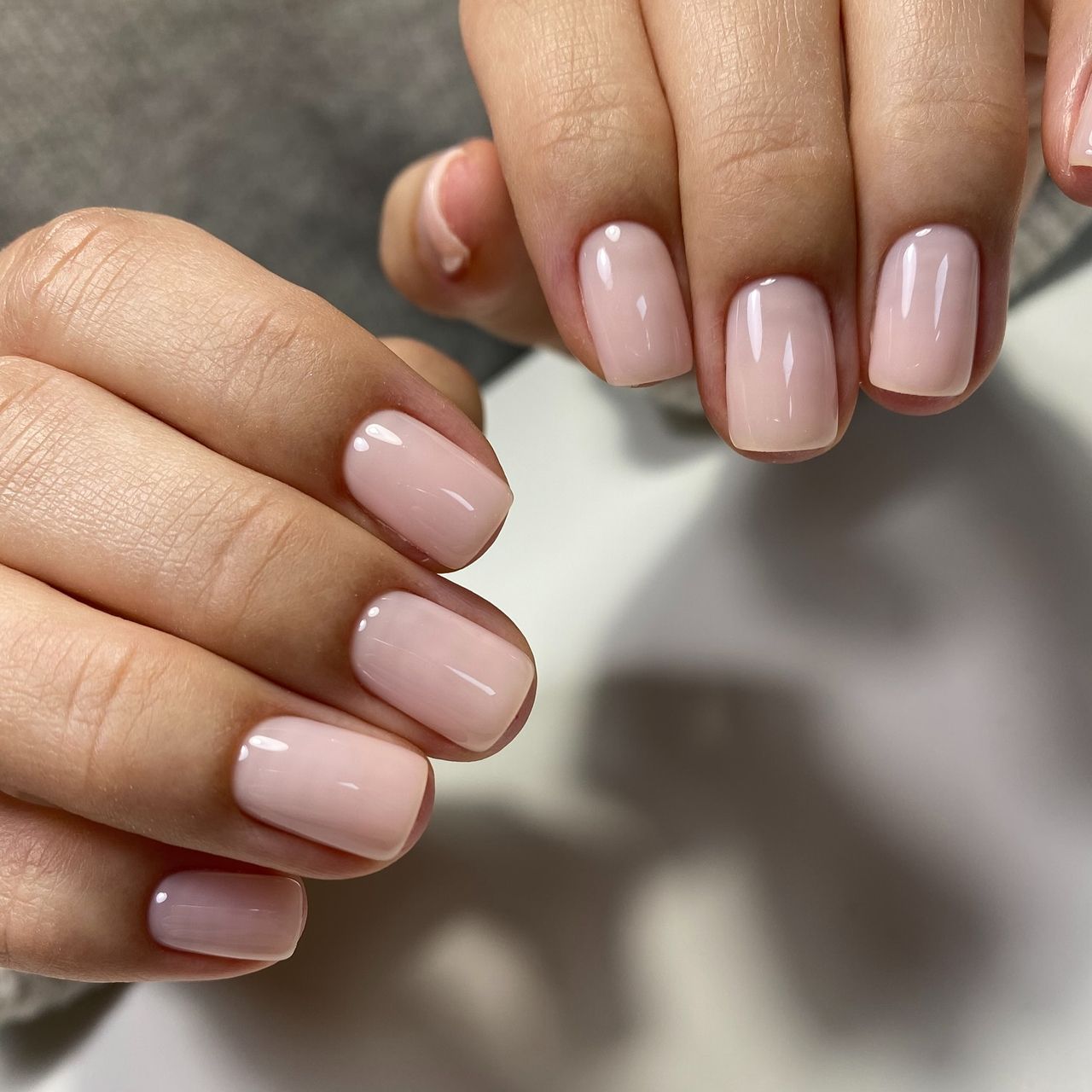
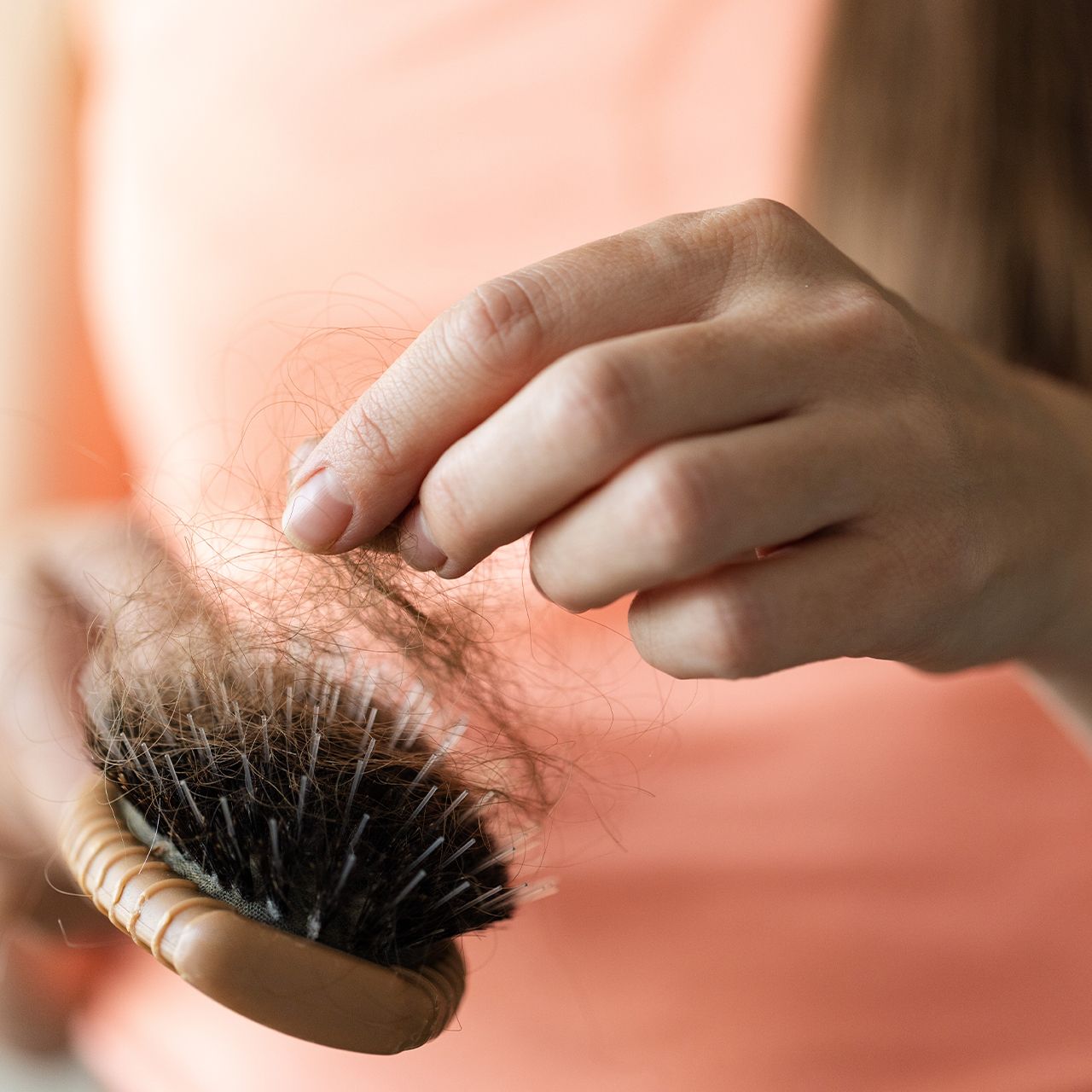
Rather than being used for anti-aging, NAC has been studied most extensively for body-focused repetitive behaviors such as skin picking disorder, hair pulling (trichotillomania), and chronic nail biting.
Research suggests NAC may help regulate glutamate signaling in the brain, which plays a role in compulsive behaviors. Several randomized controlled trials have found that NAC significantly reduced skin-picking behaviors compared to a placebo.
While researchers are also exploring NAC's potential benefits for acne, wound healing, and autoimmune skin conditions, those findings remain preliminary.

2. Omega-3 Fatty Acids
Omega-3 supplements, commonly found in fish oil, have powerful anti-inflammatory effects that can benefit the skin in several ways.
Dr. Dray notes that omega-3s are especially useful for people taking isotretinoin (commonly known as Accutane), one of the most effective treatments for severe acne.
Studies show that omega-3 supplementation may help reduce some of isotretinoin's most common side effects, including:
- Dry skin
- Chapped lips
- Dry eyes
- Nosebleeds
- Joint discomfort
Research also suggests omega-3s may help maintain healthier triglyceride levels during treatment and support the skin barrier overall.
One important caveat: Dr. Dray advises against using cod liver oil because of its high vitamin A content, which can become toxic—especially when combined with isotretinoin therapy.

3. Nicotinamide (Vitamin B3)
Nicotinamide, also called niacinamide, is a form of vitamin B3 that has shown promising results in skin cancer prevention among high-risk individuals.
One landmark study found that people with a history of multiple non-melanoma skin cancers who took 500 mg twice daily experienced:
- A 23% reduction in new basal cell and squamous cell carcinomas
- A 15% to 20% reduction in precancerous actinic keratoses
Researchers believe nicotinamide helps support DNA repair after UV exposure and strengthens the skin's immune response against damaged cells.
However, Dr. Dray stresses that this benefit has only been demonstrated in people at high risk for skin cancer—not the average person looking for a skin-health boost.

4. Myo-Inositol
For women dealing with acne related to polycystic ovary syndrome (PCOS), myo-inositol may be worth discussing with a healthcare provider.
PCOS often contributes to insulin resistance and elevated androgen levels, both of which can increase oil production and trigger stubborn hormonal breakouts.
Studies suggest myo-inositol can improve insulin sensitivity and lower androgen levels, leading to significant improvements in acne severity among women with PCOS.
The supplement is generally well tolerated and has been studied at doses of about 4 grams per day, with improvements typically becoming noticeable after several months of consistent use.

5. Polypodium Leucotomos
Derived from a tropical fern plant, Polypodium leucotomos has gained attention for its ability to help protect the skin from sun-related damage. Research shows the antioxidant-rich extract may reduce:
- UV-induced inflammation
- Redness
- DNA damage
- Phototoxic skin reactions
It's been studied most extensively in people with sun-sensitive conditions such as polymorphous light eruption (sometimes called a sun allergy), melasma, and certain photosensitive disorders.
Some studies also suggest it may help reduce UV-related collagen breakdown, making it an interesting area of research for photoaging and wrinkle prevention.
That said, Dr. Dray strongly emphasizes that Polypodium leucotomos should never be viewed as a replacement for sunscreen. It works best as an additional layer of protection alongside sunscreen, protective clothing, and shade.
The Bottom Line
While the supplement industry is filled with lofty beauty promises, Dr. Dray says only a small number have strong scientific support in dermatology. NAC, omega-3 fatty acids, nicotinamide, myo-inositol, and Polypodium leucotomos all have research-backed uses for specific skin concerns—but they aren't universal solutions. Before starting any supplement, it's important to talk with your doctor or dermatologist to determine whether it's appropriate for your individual skin concerns and overall health.