




For years, sugar has been framed as public health enemy number one—but nutrition experts say that in 2026, the conversation is shifting. While added sugar still matters, certain everyday grocery items may be even more problematic due to how they quietly drive inflammation, disrupt blood sugar, and mislead shoppers with “healthy” branding.
Registered dietitians and physicians warn that many ultra-processed foods hide inflammatory ingredients in plain sight—often in products people buy weekly without a second thought. Here are a few grocery staples experts say are worth reconsidering this year.

Women Are Swapping Their Boring Water For This Ice Pop Electrolyte Mix!

1. Flavored Yogurts
Yogurt is often marketed as a gut-friendly, protein-packed food—but not all yogurts are created equal. Many flavored varieties contain surprisingly high amounts of added sugar, which can spike blood sugar levels and contribute to chronic inflammation when consumed regularly.
Kristen Carli, MS, RD, explains that this is one of the most misleading “health foods” in the grocery store.
“Flavored yogurts are very high in hidden sugar for a presumed ‘healthy’ food,” Carli says. Instead of cutting yogurt entirely, she recommends a simpler swap: “A healthier option would be plain Greek yogurt with berries and a light drizzle of honey.”
By choosing unsweetened yogurt and adding natural toppings yourself, you can still get the probiotic and protein benefits—without the inflammatory sugar load.

2. Bottled Salad Dressings
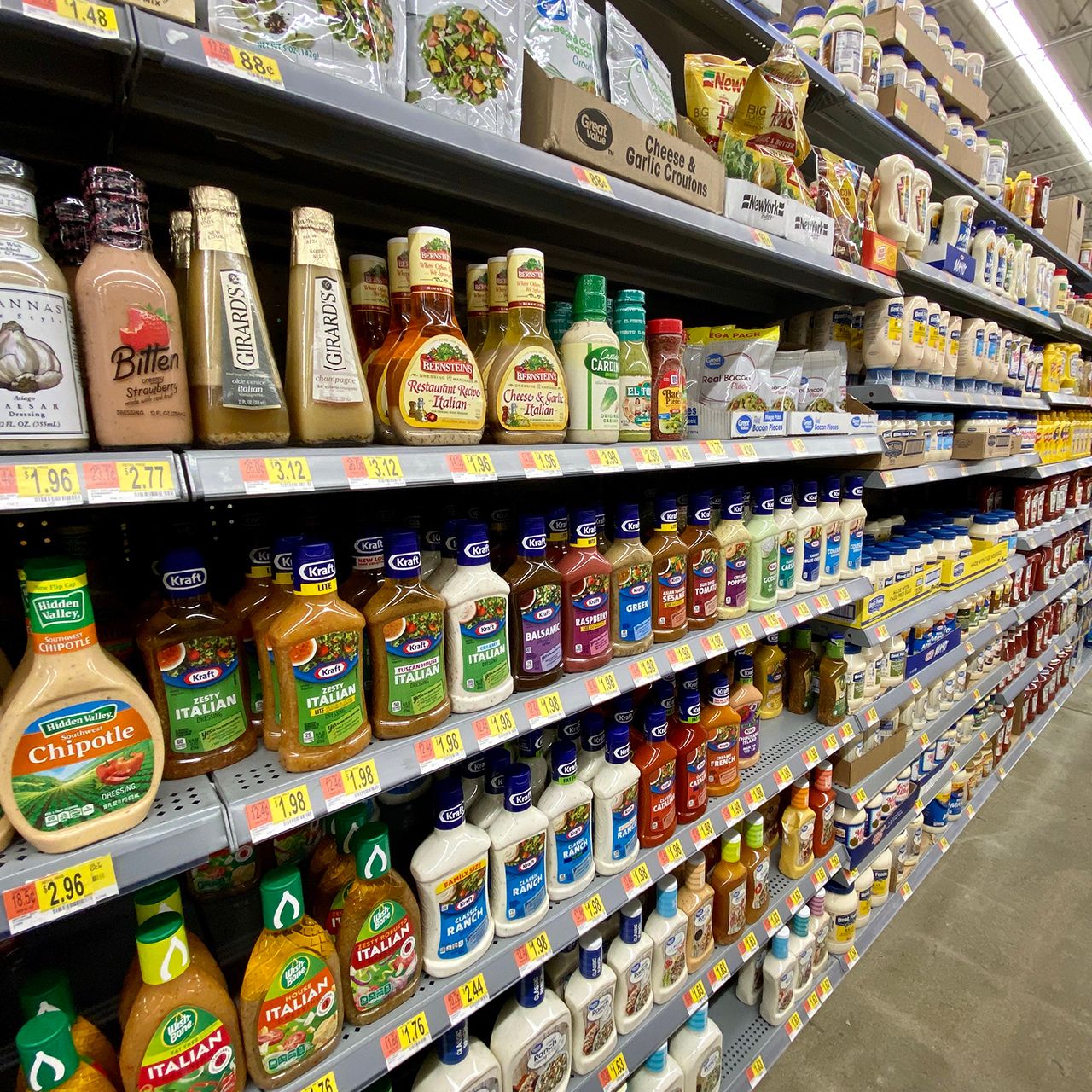
Salads may seem like a nutritional win, but experts say bottled dressings can quickly turn them into an inflammatory meal. Many store-bought dressings contain added sugars, refined oils, and excess sodium—all of which can counteract the benefits of vegetables.
“Bottled salad dressings are often high in sugar and fat,” says Carli. These ingredients can contribute to inflammation when consumed frequently, especially in people already managing metabolic or gut health issues.
Her solution is refreshingly simple: “A healthier alternative would be olive oil, vinegar, salt, and pepper.” Making your own dressing at home not only reduces inflammatory additives, but also gives you better control over portion size and ingredient quality.

3. Ultra-Processed Foods
If there’s one category experts consistently flag as inflammatory, it’s ultra-processed foods. These include packaged snacks, frozen meals, processed meats, and many convenience items with long ingredient lists.
Yoon Hang Kim, MD, says the biggest red flag is what you don’t immediately recognize on the label. “Ultra-processed foods hide all types of unhealthy ingredients,” he explains.
Dr. Kim shares a simple rule he uses with patients: “If the ingredient list is more than two lines long, skip it. The longer the ingredient list, the less likely it is good for us.”
These foods often contain preservatives, emulsifiers, refined carbohydrates, and industrial seed oils—all linked in research to increased inflammation and metabolic dysfunction.
The Bottom Line
In 2026, experts say eating to reduce inflammation isn’t just about cutting sugar—it’s about reading labels, questioning “health halos,” and choosing simpler foods more often. Flavored yogurts, bottled dressings, and ultra-processed foods may seem convenient, but they can quietly fuel inflammation over time.
As Carli and Dr. Kim emphasize, small swaps—like choosing plain yogurt, making your own dressing, and avoiding long ingredient lists—can make a meaningful difference in how your body feels and functions.