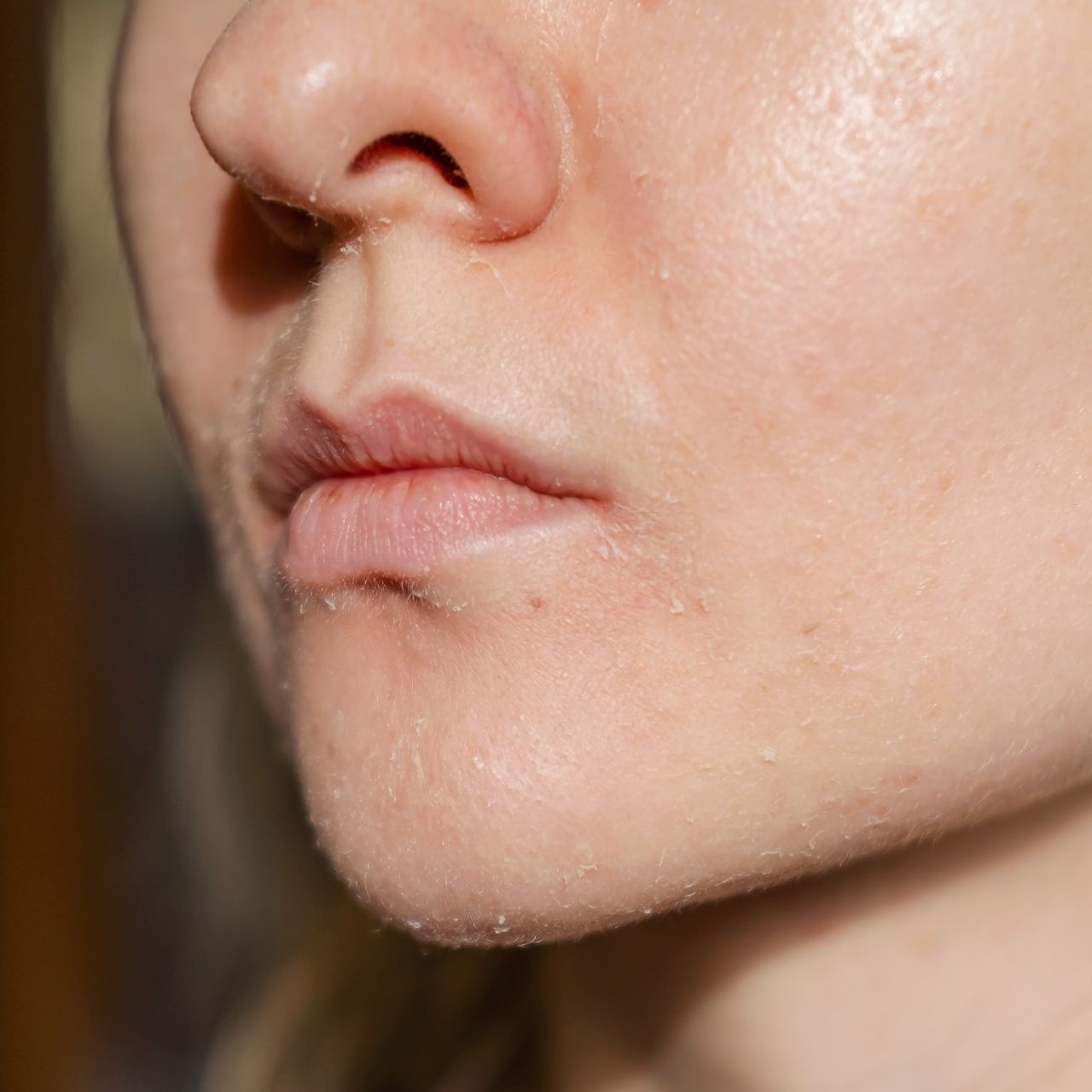





If your face suddenly looks more hollow, tired, or sunken, you’re not imagining it. Facial fat loss is one of the most common reasons people start to notice signs of aging—even if their skin still looks smooth.
According to cosmetic expert Dr. Anil Rajani, facial fat actually plays a major role in maintaining a youthful appearance. When it shifts or decreases, areas like the temples, cheeks, and under-eye region can start to look hollow.
“Fat in the face can be good, it can be bad, but it can also be great,” Rajani explains in a recent video. “In younger people, it’s smooth and full, giving a youthful look.”
As we age, however, the face naturally loses structure and volume. The good news? Experts say there are several ways to slow this process—and even restore some fullness.
Here are the most important habits and treatments dermatology experts recommend.

Women Are Swapping Their Boring Water For This Ice Pop Electrolyte Mix!

1. Protect Your Skin From Sun Damage
One of the biggest contributors to facial fat loss is sun exposure.
“Aging and sun exposure go hand in hand,” Rajani explains. “The sun kills collagen,” which is one of the key structural proteins that helps support the skin and underlying fat pads.
Over time, collagen loss can make areas like the jawline, temples, and under-eye region look hollow or saggy. Rajani says these areas are often the first places where people notice changes.
Daily sunscreen, protective clothing, and avoiding peak sun hours can help protect collagen and maintain facial structure.

2. Be Careful With Skin-Tightening Devices
Radiofrequency and ultrasound devices—often used to tighten skin—can sometimes contribute to facial fat loss if they’re not used carefully.
Rajani explains that treatments such as Thermage, Ultherapy, and other heat-based devices can occasionally reduce fat in the face.
“For most people, what they see—what they think is skin sagging—is actually skin tightening,” he says. “But the devices themselves can actually cause fat reduction.”
That’s why it’s important to consult an experienced professional before trying energy-based treatments.

3. Avoid Extreme Exercise And Excess Sun Exposure
Exercise is essential for overall health, but extremely intense training routines can sometimes accelerate facial aging.
Rajani says he often sees this with long-distance runners and endurance athletes.
“It’s the intense trainers,” he explains. “They’re running long distances, biking in the sun… it’s a double whammy.”
Excessive training combined with heavy sun exposure can contribute to collagen breakdown and facial fat loss over time. Balanced workouts and proper sun protection are key.

4. Improve Your Diet And Reduce Sugar
Nutrition plays a major role in skin health and facial volume.
Rajani says highly processed diets filled with sugar and refined carbohydrates can accelerate aging and weaken skin structure.
“Bad diet is a big problem in our processed-food society,” he notes. “Loads of sugar, way too many carbs.”
Instead, he recommends focusing on whole foods, plant-rich diets, and nutrient-dense ingredients that support collagen production.

5. Consider Collagen Supplements
Collagen production naturally declines with age, especially after your mid-30s. Some experts believe collagen supplements may help support skin structure.
Rajani says growing research suggests collagen peptides can be absorbed by the body.
“A lot of people don’t believe collagen is actually absorbed,” he explains. “But studies show that a significant amount of peptides was absorbed and reached the bloodstream.”
He adds that many of his patients report improvements in their hair, nails, joints, and skin after adding collagen powder to their routines.

6. Boost Circulation With Facial Massage And Moisturizers
One of the easiest at-home strategies for supporting skin health is facial massage. Rajani recommends pairing massage with nourishing moisturizers that contain ingredients like vitamin E, ceramides, and plant oils.
“Massage boosts blood flow,” he explains. “Even people massaging their face with a placebo did really well because they were improving circulation.”
Better circulation can support skin health and may help maintain the appearance of fuller, more youthful skin.
Advanced Options For Restoring Facial Volume
For people experiencing more noticeable volume loss, professional treatments may help. Rajani says regenerative options like platelet-rich fibrin (PRF) injections can stimulate growth factors and potentially rejuvenate fat pads.
“It forms a fibrin clot and causes a slow release of growth factors,” he explains.
“I think we’re actually rejuvenating the fat pads.” Biostimulatory treatments such as Sculptra may also help restore volume by encouraging collagen production.
The Bottom Line
Facial fat loss is a natural part of aging—but lifestyle habits play a major role in how quickly it happens.
Sun protection, balanced exercise, healthy nutrition, and skin-supportive routines can help maintain facial structure and keep your skin looking youthful for longer.
As Rajani puts it: “It’s not always about what you do to your face… sometimes it’s about what you don’t do.”