




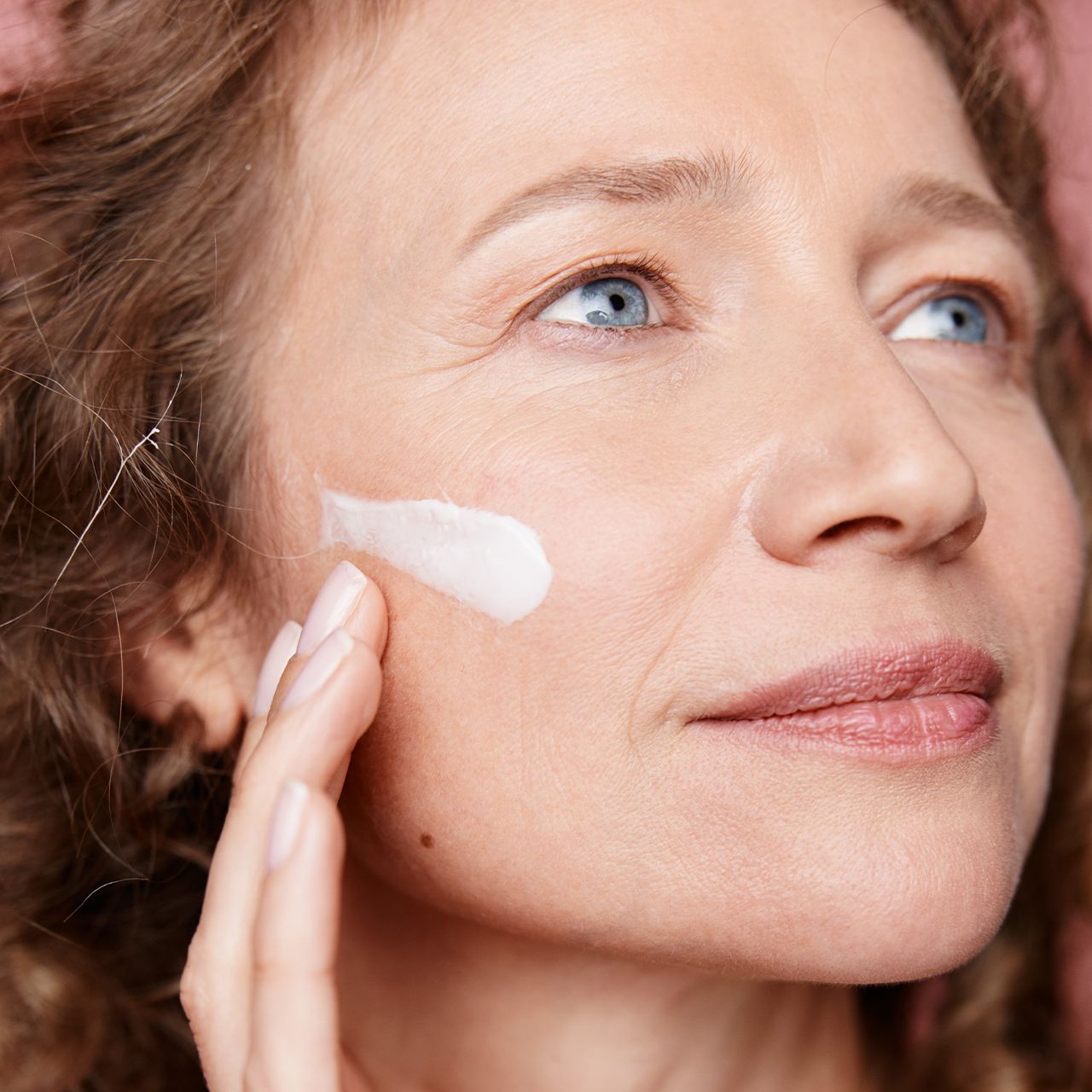
With so many skincare ingredients going viral on social media, it can be difficult to separate the ones that actually deliver results from those that are simply enjoying their moment in the spotlight. From buzzy serums to trendy creams that promise to smooth fine lines and erase wrinkles, there’s no shortage of products claiming to be the secret to younger-looking skin. But not every ingredient lives up to the hype, and some may do little more than temporarily hydrate your skin.
When it comes to softening the appearance of fine lines and wrinkles, science-backed ingredients are far more important than flashy marketing claims. Certain skincare staples have years of research supporting their ability to improve skin texture, encourage collagen production, and protect against premature signs of aging. Here are three viral skincare ingredients that may not be worth the hype when it comes to wrinkles, along with proven alternatives that can make a noticeable difference in your skincare routine.

Women Are Swapping Their Boring Water For This Ice Pop Electrolyte Mix!

1. Doesn't Work: Gold-Infused Skincare
Gold-infused serums, masks, and moisturizers certainly sound luxurious, and their shimmering appearance can make them feel like an indulgent addition to your skincare routine. But when it comes to reducing fine lines and wrinkles, there's little convincing scientific evidence that applying gold to your face offers meaningful anti-aging benefits. Although some brands claim that gold particles can stimulate collagen production, brighten skin, and improve elasticity, these promises aren't well supported by clinical research. Gold can also trigger irritation or allergic contact dermatitis in some people, particularly those with sensitive skin.
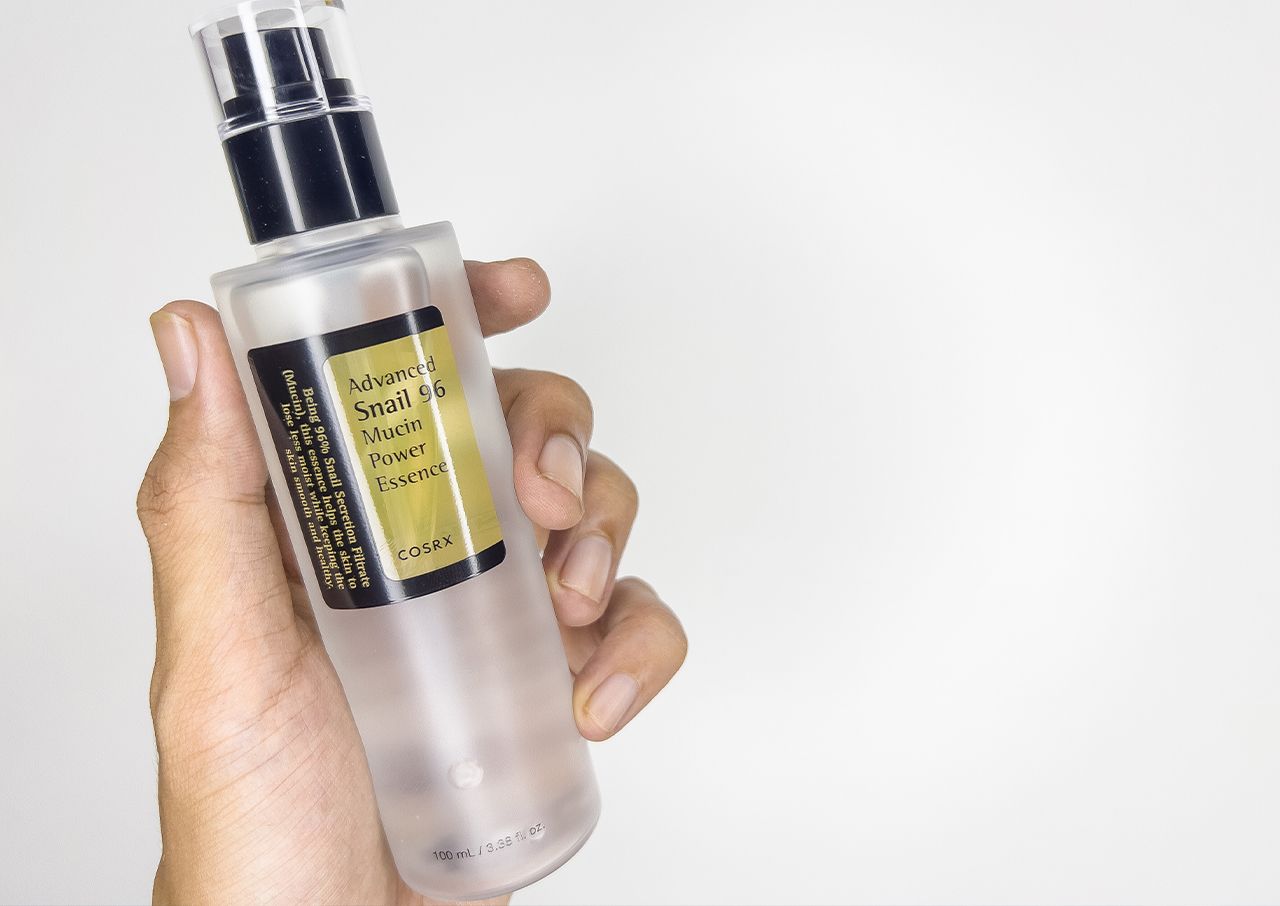
2. Doesn't Work: Snail Mucin
Snail mucin has become a viral skincare favorite thanks to its ability to hydrate skin and leave it looking dewy and refreshed. And while it isn't necessarily a bad ingredient, its benefits for fine lines and wrinkles may be overstated. Snail mucin contains compounds that help attract and retain moisture, which can temporarily make skin appear plumper and soften the look of fine lines caused by dehydration. But there isn't enough high-quality clinical research to prove that it can significantly stimulate collagen production or reduce deeper wrinkles over time.
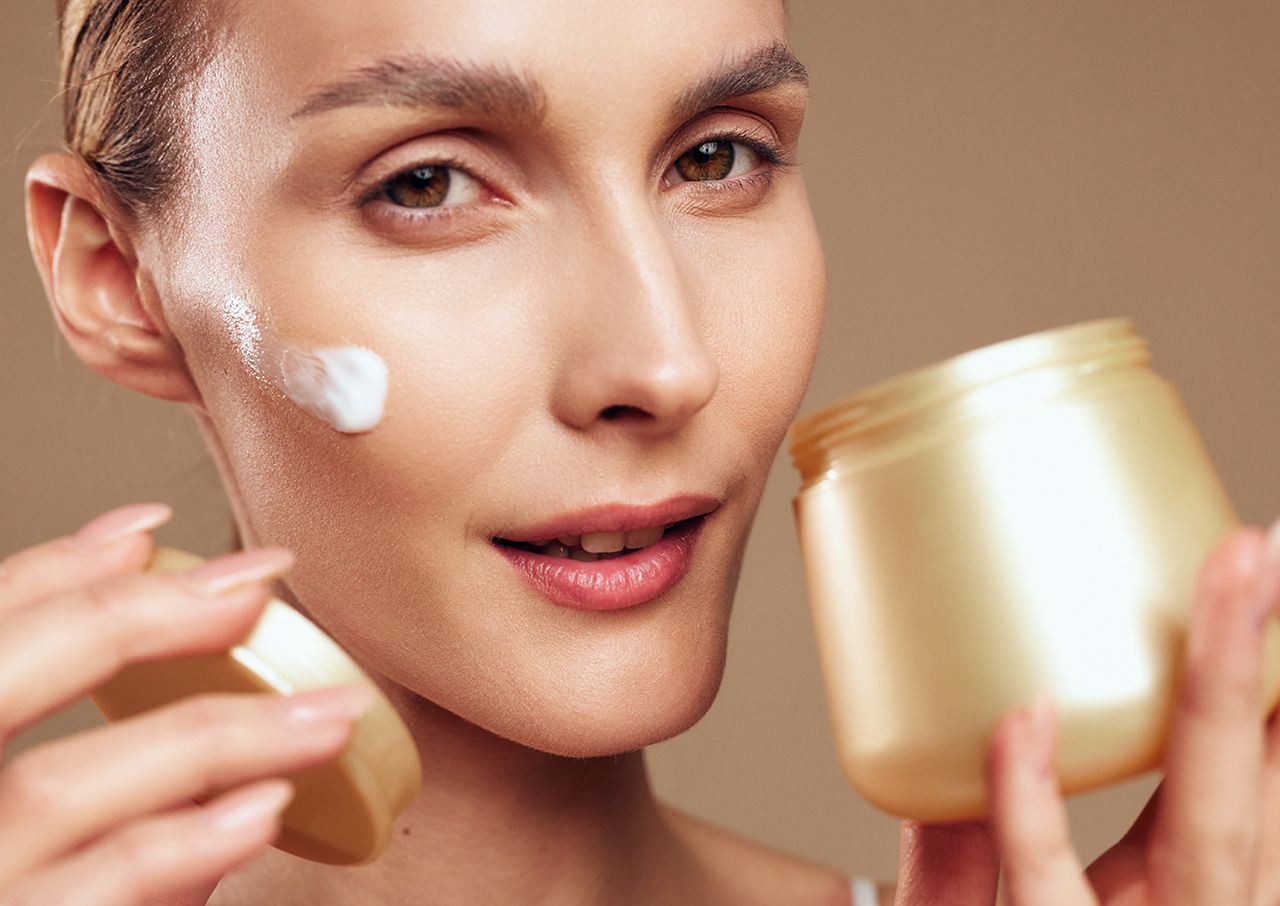
3. Doesn't Work: Topical Collagen
Collagen is one of the proteins responsible for keeping skin firm, smooth, and elastic, so it makes sense that applying collagen directly to your face would seem like a great way to combat wrinkles. Unfortunately, it isn't quite that simple. Most collagen molecules used in topical skincare products are too large to penetrate deeply enough into the skin to replace the collagen that naturally declines with age. While collagen-infused creams can help moisturize the skin and temporarily minimize the appearance of fine lines, they aren't proven to rebuild your skin's collagen supply.

4. Works: Retinoids
If you're looking for skincare ingredients with a strong scientific track record for reducing visible signs of aging, retinoids are among the best options available. Derived from vitamin A, retinoids encourage skin cell turnover and stimulate collagen production, helping improve uneven texture, soften fine lines, and reduce the appearance of wrinkles over time. Prescription tretinoin has particularly strong evidence supporting its effectiveness, while over-the-counter retinol products can also provide benefits with consistent use. But patience is key here: noticeable improvements often take several months, and it's best to introduce retinoids gradually to minimize dryness, peeling, and irritation.
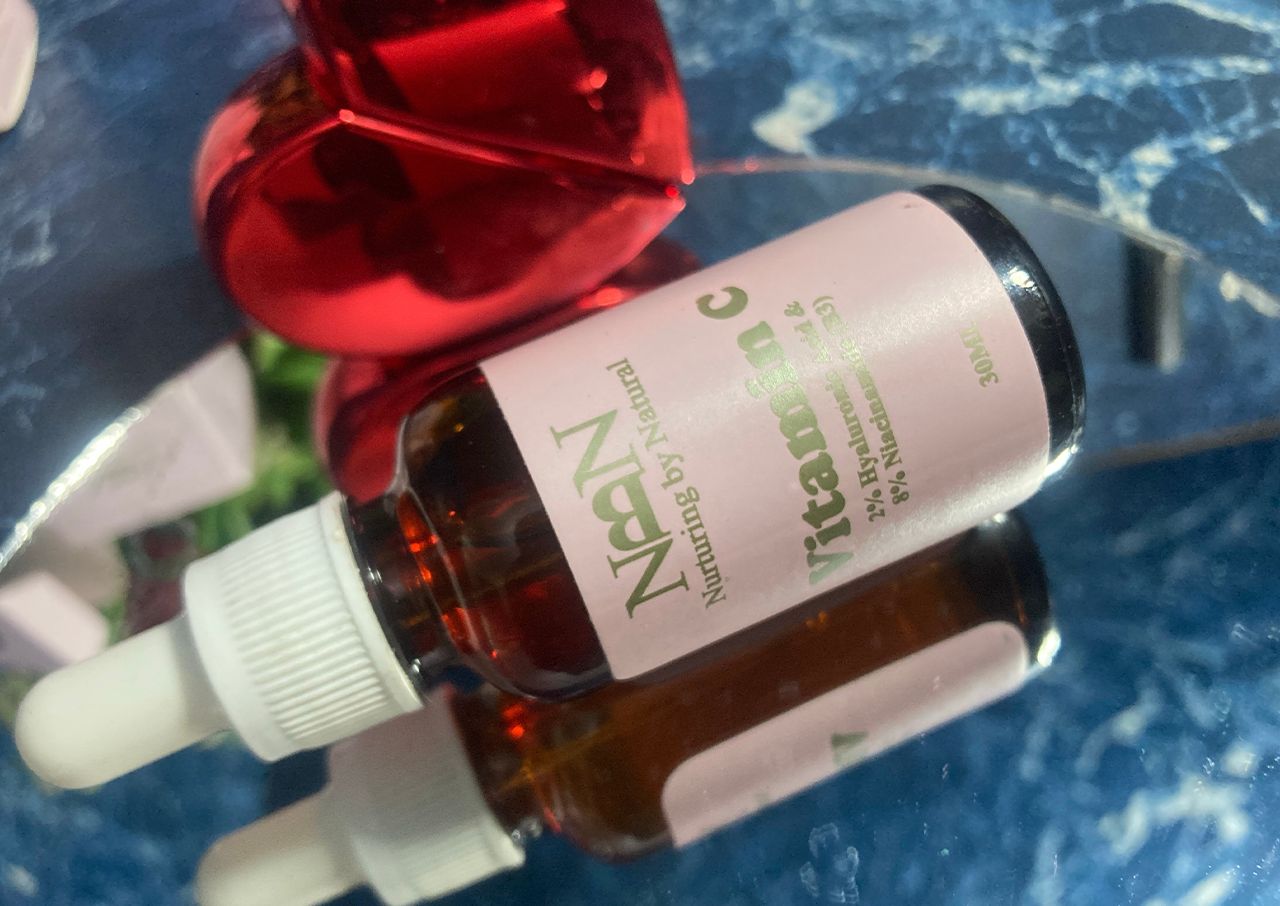
5. Works: Vitamin C
Vitamin C is another skincare ingredient worth considering if your goal is smoother, brighter, and healthier-looking skin. This powerful antioxidant helps neutralize free radicals generated by environmental stressors such as UV exposure and pollution, which can contribute to collagen breakdown and premature skin aging. Vitamin C also plays an essential role in collagen synthesis, and research suggests that certain well-formulated topical vitamin C products can help improve the appearance of fine lines, uneven skin tone, and sun damage over time. Look for a stable formulation containing L-ascorbic acid, one of the most extensively studied forms of vitamin C, and remember that consistency matters more than choosing the most expensive serum.