



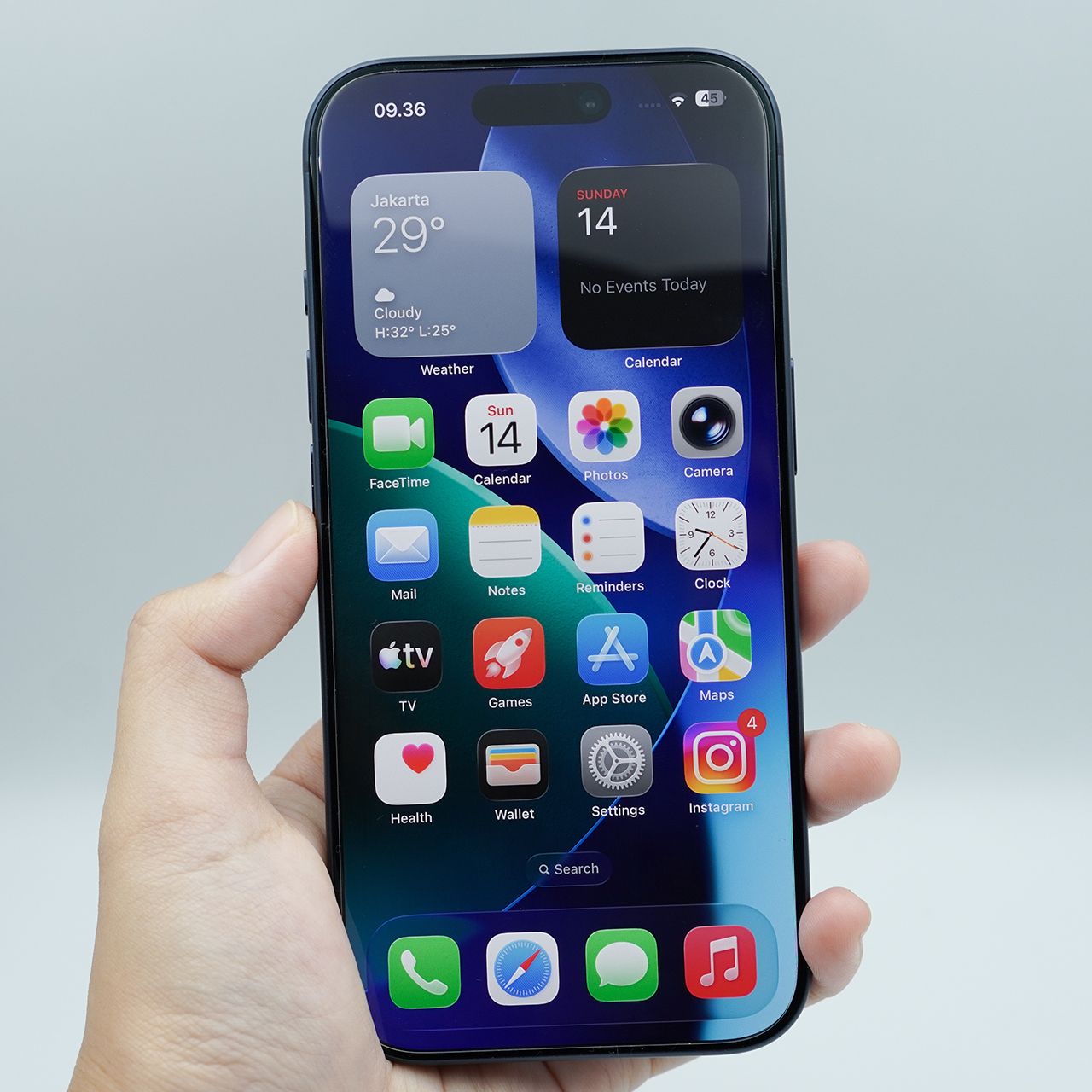
As a smartphone user, you should be doing everything you can to protect your personal data, although you might not realize that includes ensuring you’re only using trusted apps.
Our personal data is more valuable than ever, which makes protecting it an important part of staying safe online. While apps can make everything from tracking your health to browsing the internet more convenient, some may collect more information than you realize or leave your data vulnerable. Before downloading an app, it’s worth knowing what information it collects and how that data may be used or shared. Read more about three apps tech experts warn against below.

Women Are Swapping Their Boring Water For This Ice Pop Electrolyte Mix!
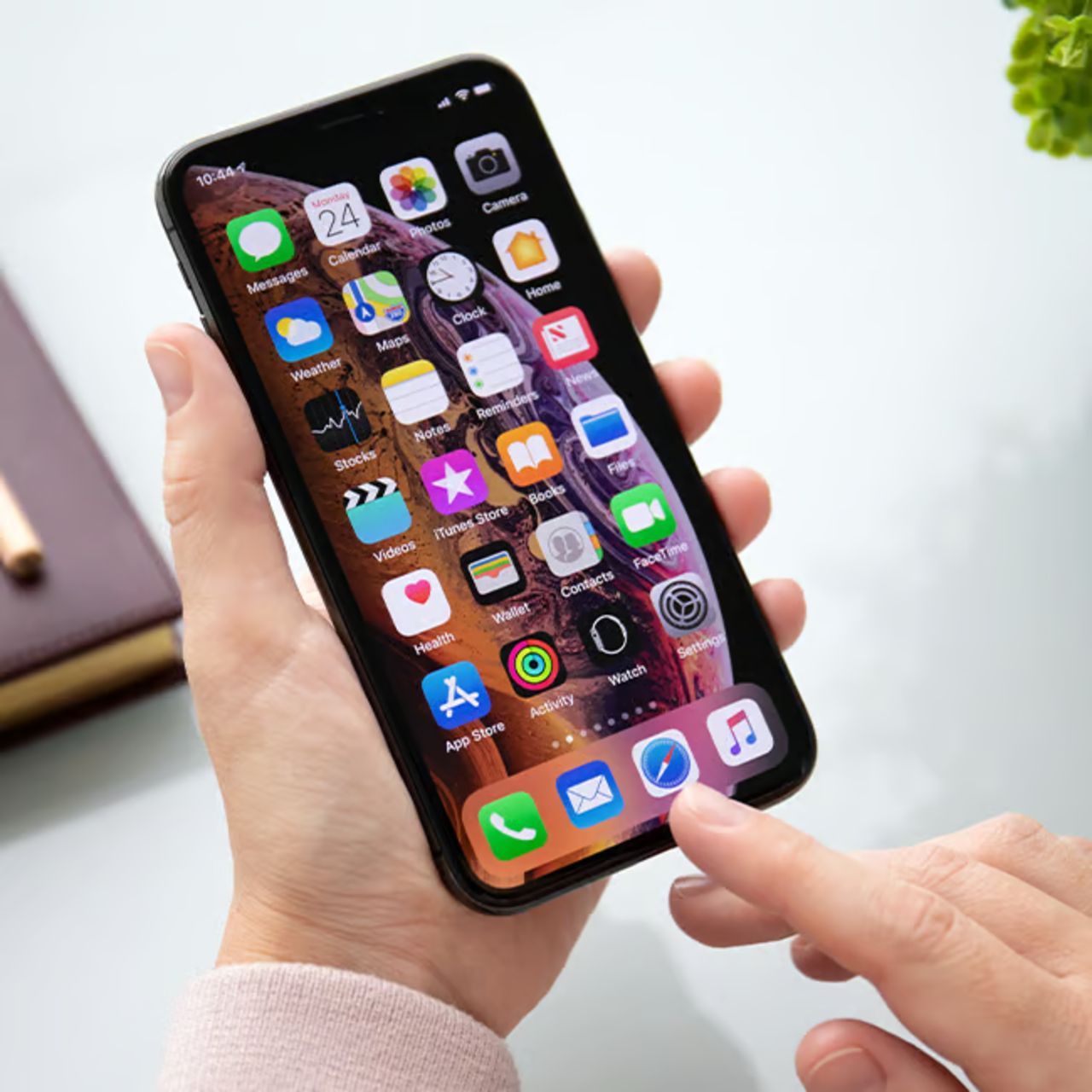
3. Account Verification Texts
Account verification messages can look surprisingly legitimate, particularly when they appear to be connected to a service you actually use. Scammers may claim that you need to verify your identity, confirm a login, or take another immediate action, using the message to lure you into clicking a suspicious link or handing over sensitive information.
"Attackers send texts pretending to be from delivery companies, banks, HMRC, Apple, or Google, urging users to click a link or 'verify' their account," notes tech pro Darren Kimuli. "These messages often look authentic and use urgency, for example, 'Your account will be locked in 2 hours,' to push quick action. Clicking the link can lead to credential theft or malware installation."
2. Meta Apps
The mega tech company's popular apps, including Facebook, Instagram, and Messenger, collect a large amount of information about how users interact with their platforms. That can include details about your activity, interests, location, and more, so anyone concerned about data privacy should pay close attention to the permissions and privacy settings associated with these apps.
"Each of these apps collects more than 30 types of data and links much of that data back to specific users," notes tech expert Paul DeMott. "Some of that data includes your name, email address, location data, search history, content you have interacted with, how long you have been looking at certain content, and even your personal conversations on Messenger."
3. Free VPNs
If you didn't know, a VPN tool is supposed to give you more privacy while browsing. However, a free VPN accessed through an app isn't necessarily a safer one. Some free VPN services may collect, store, or share user data to help make money, potentially defeating the purpose of using a VPN in the first place. Before trusting a free service with your internet activity, check its privacy policy and find out exactly what information it keeps.
"Hola VPN is the classic example," adds Johnstone. "It turned out the app was quietly routing other people's internet traffic through your connection without telling you, basically turning your phone into part of someone else's network. If a VPN is free and you can't work out how it makes money, that's usually your answer, and that story is over ten years old now; free VPNs still pull versions of the same trick under different names."