



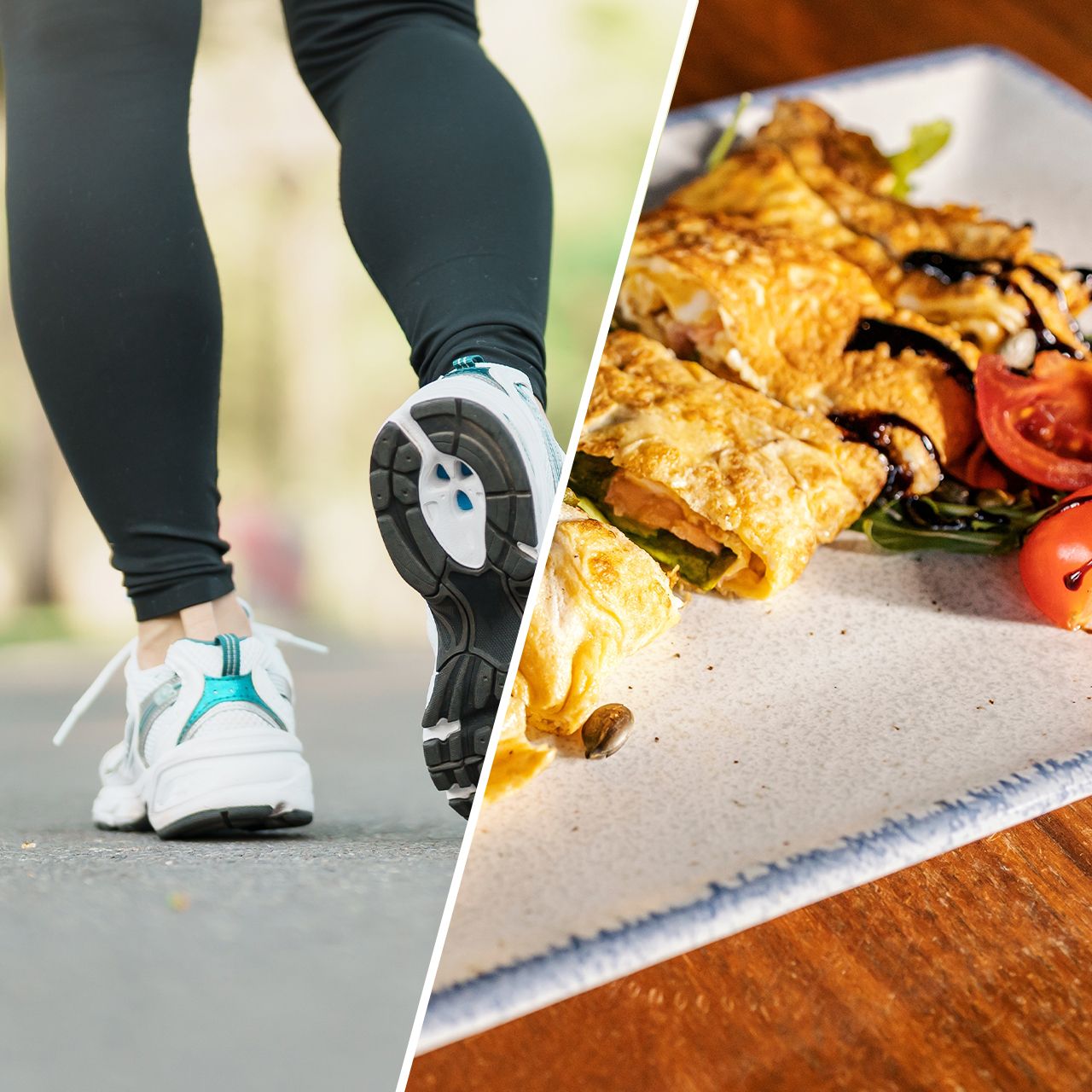
Losing weight doesn’t always require an elaborate meal plan or hours of intense exercise. One popular morning routine, known as the 30-30-30 method, focuses on two simple habits: eating protein shortly after waking up and following it with low-intensity cardio.
The approach has gained attention for its potential to support weight management, improve satiety, and encourage consistent physical activity. But what exactly does it involve, and can it really help you lose weight?
Human biologist, biohacker, and longevity expert Gary Brecka has discussed the method, explaining that it involves consuming 30 grams of protein within 30 minutes of waking up, followed by 30 minutes of steady-state cardiovascular exercise.
“Does 30-30-30 actually work? Yes,” Brecka said. He explained that the routine is designed to combine a protein-rich breakfast with gentle movement rather than strenuous exercise.

Women Are Swapping Their Boring Water For This Ice Pop Electrolyte Mix!

What Is the 30-30-30 Method?
The 30-30-30 method is straightforward: eat 30 grams of protein within 30 minutes of waking, then complete 30 minutes of steady-state cardio.
According to Brecka, the goal is to make protein and movement part of the morning routine. Protein is an important nutrient that helps build and maintain muscle, while it can also promote fullness after meals, potentially making it easier to manage hunger and cravings throughout the day.
Some breakfast options that can help you reach 30 grams of protein include eggs, Greek yogurt, cottage cheese, protein smoothies, and lean breakfast meats. The exact amount will depend on the serving size and ingredients.
Why Does the Method Recommend Low-Intensity Cardio?
The second part of the routine involves 30 minutes of steady-state cardiovascular exercise, such as walking on a treadmill. Brecka emphasized that this should not feel like an intense workout. Instead, the pace should allow you to comfortably hold a conversation while exercising.
“Fat is a very inefficient energy source, so we don't just get to tap it by choice, we get to tap it through our physiology,” he explained. He described his own treadmill routine as walking at a 5-degree incline and a speed of 3.5 miles per hour.
However, he noted that the exercise should remain at a comfortable, steady pace rather than leave someone panting. “You should be able to hold a conversation, watch an iPad, listen to a podcast, watch a video or a show,” he said. “It is not panting and high intensity exercise. It's steady state cardiovascular exercise.”
The intensity and incline can be adjusted to suit individual fitness levels. Beginners may want to start with a flat or gently inclined walk and gradually increase the duration or difficulty as their endurance improves.

Can the 30-30-30 Diet Help You Lose Weight?
Brecka recommends trying the routine consistently for 20 days, suggesting that people may notice changes in their weight.
“Try that for 20 days in a row and you will see the pounds come off,” he said.
However, weight loss is not guaranteed, and there is no established evidence that following the 30-30-30 schedule for exactly 20 days will produce a particular result.
Weight management depends on several factors, including overall calorie intake, physical activity, sleep, stress, and individual health. The method may be useful because it encourages two habits that can support weight management: eating a protein-rich breakfast that helps with fullness and getting regular aerobic exercise.
Ultimately, the 30-30-30 routine is best viewed as a simple structure for building healthier morning habits—not a guaranteed shortcut to weight loss. Anyone with an underlying health condition or dietary or exercise restrictions should check with a healthcare professional before making significant changes to their routine.