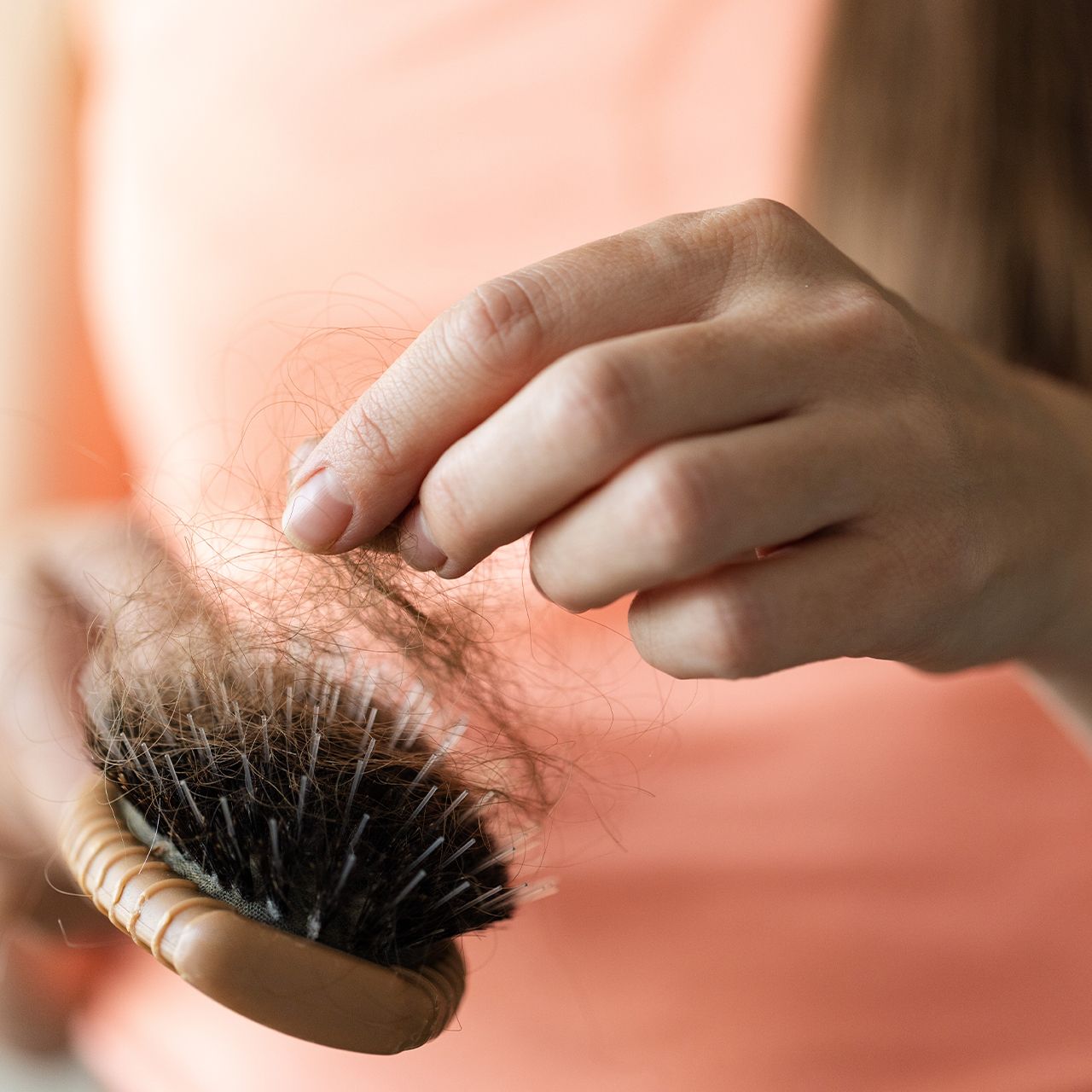



If you’re dealing with hair shedding or thinning, you may have considered reaching for a popular beauty supplement — but one dermatologist says you may want to think twice before spending money on it.
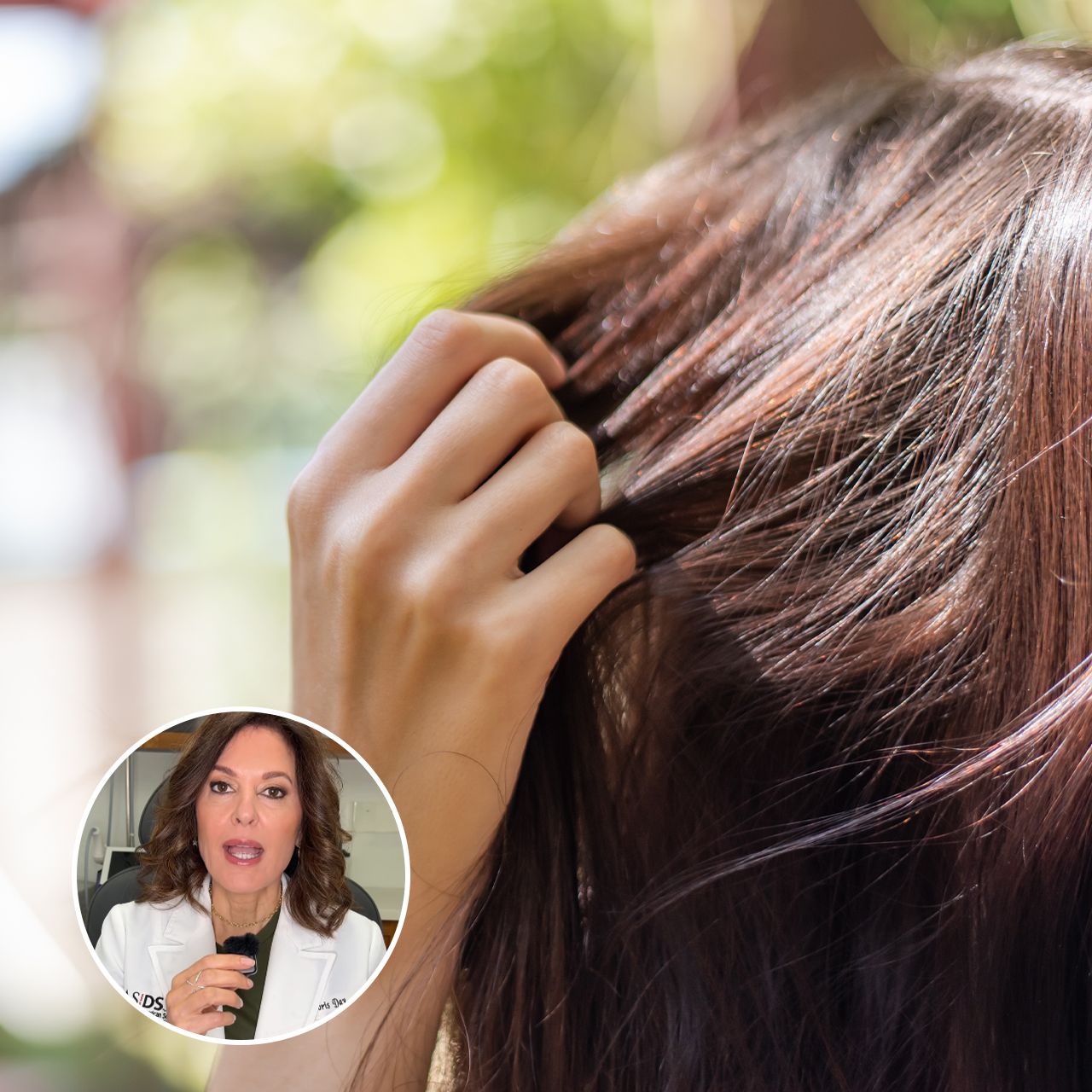
Dermatologist Dr. Doris Day recently called out biotin as one of the most “overhyped” supplements for hair loss, arguing that the vitamin has become a go-to solution despite limited evidence that it actually helps most people experiencing hair thinning.
“Biotin is one of the most purchased supplements for hair loss and one of the least supported by evidence,” Day said in a video.
Biotin, also known as vitamin B7, is an essential B vitamin that helps the body convert carbohydrates, fats and proteins into energy. It is naturally found in foods including meat, fish, eggs, nuts and certain vegetables.

Women Are Swapping Their Boring Water For This Ice Pop Electrolyte Mix!
Is Biotin Actually Effective for Hair Loss?
According to Day, the idea that biotin deficiency is responsible for most cases of hair loss isn't supported by the available evidence. “True biotin deficiency is rare,” she explained. “And supplementing beyond what you need does not produce meaningful results for the vast majority of people experiencing shedding or thinning.”
The National Institutes of Health agrees that biotin deficiency is uncommon. The NIH's Office of Dietary Supplements notes that most people get enough biotin through their diets and that deficiency is very rare in the United States.
While severe biotin deficiency can cause symptoms including thinning hair and loss of body hair, the NIH says there is little scientific evidence supporting the use of biotin supplements to improve hair health in people who aren't deficient.
Evidence supporting hair benefits is largely limited to case reports involving children with rare hair disorders. The American Academy of Dermatology similarly cautions that research on supplements marketed for hair growth has produced mixed findings.
In most studies, supplements including biotin have not been shown to improve hair growth or thickness.
Why Is Biotin So Popular?
Despite the lack of strong evidence for most people, biotin has become a staple ingredient in many hair, skin and nail supplements. Day suggested that its popularity has grown into something of a cultural default.
“It became a cultural default somewhere along the way and the marketing caught up quickly,” she said.
Many supplements contain biotin at doses far higher than the amount adults generally need. The NIH lists an adequate intake of 30 micrograms per day for adults, while some supplements contain thousands of micrograms.
That doesn't necessarily mean taking more will lead to better hair.
“One of the most common misconceptions about vitamins and minerals is that if a nutrient deficiency causes a particular set of symptoms, then taking more of that nutrient will not only reverse those symptoms but will actually leave you better off,” the NIH Office of Dietary Supplements explains. “The reality is, if you are already getting enough, getting more doesn’t usually help.”
What Should You Do About Hair Loss Instead?
For Day, the bigger issue is identifying the reason behind the hair loss in the first place.
“What actually works starts with understanding why the hair loss is happening in the first place,” she said. “The cause determines the treatment and there are significantly more effective options available, both FDA approved and off label, than most people know about.”
Hair loss can have numerous causes, which means there isn't one supplement or treatment that works for everyone.
A dermatologist can evaluate the type of hair loss and determine whether additional testing or treatment is appropriate. The AAD notes that treatment can vary depending on the diagnosis and may include medications or other approaches.
For example, dermatologists may recommend minoxidil for certain types of hair loss, while other conditions can require completely different treatments. And if a blood test shows that someone actually has a nutritional deficiency, supplementation can make sense.
The AAD specifically recommends taking biotin, iron or zinc when testing shows a deficiency rather than automatically taking these supplements for hair loss.
There’s Another Reason to Be Careful With High-Dose Biotin
Even though biotin hasn't been shown to be toxic at high doses, taking large amounts can create another problem: it can interfere with certain laboratory tests. According to the NIH, high doses of biotin can cause falsely high or falsely low results on some tests, including tests used to measure certain hormones.
The FDA has also warned about potentially serious laboratory-test interference associated with high biotin intake. That's another reason to tell your doctor about supplements you're taking, particularly before having blood work.
For anyone experiencing persistent shedding or thinning, Day's advice is straightforward: don't assume a bottle of hair vitamins is the answer. “See a dermatologist who specializes in hair before you spend another month on a supplement that isn’t moving the needle,” she said.