



Going gray is a personal journey, and there’s no right or wrong way to go about it. Whether you’re just starting to notice a few silver strands or you’re making the full leap to your natural color, the choices you make along the way can have a big impact on how healthy, vibrant, and flattering your hair looks. The goal isn’t to hide gray hair, but to make sure it complements your features and reflects your personal style.
According to professional colorists, one of the biggest mistakes women over 40 make is treating gray hair the same way they treated their hair before it started losing pigment. Gray hair has a different texture, can appear drier or coarser, and often needs a fresh approach to color and maintenance. Here is what you need to know about the most common gray hair mistake they see—and the simple changes that can help your silver strands look their absolute best.

Women Are Swapping Their Boring Water For This Ice Pop Electrolyte Mix!
Choosing All-Over Flat Color
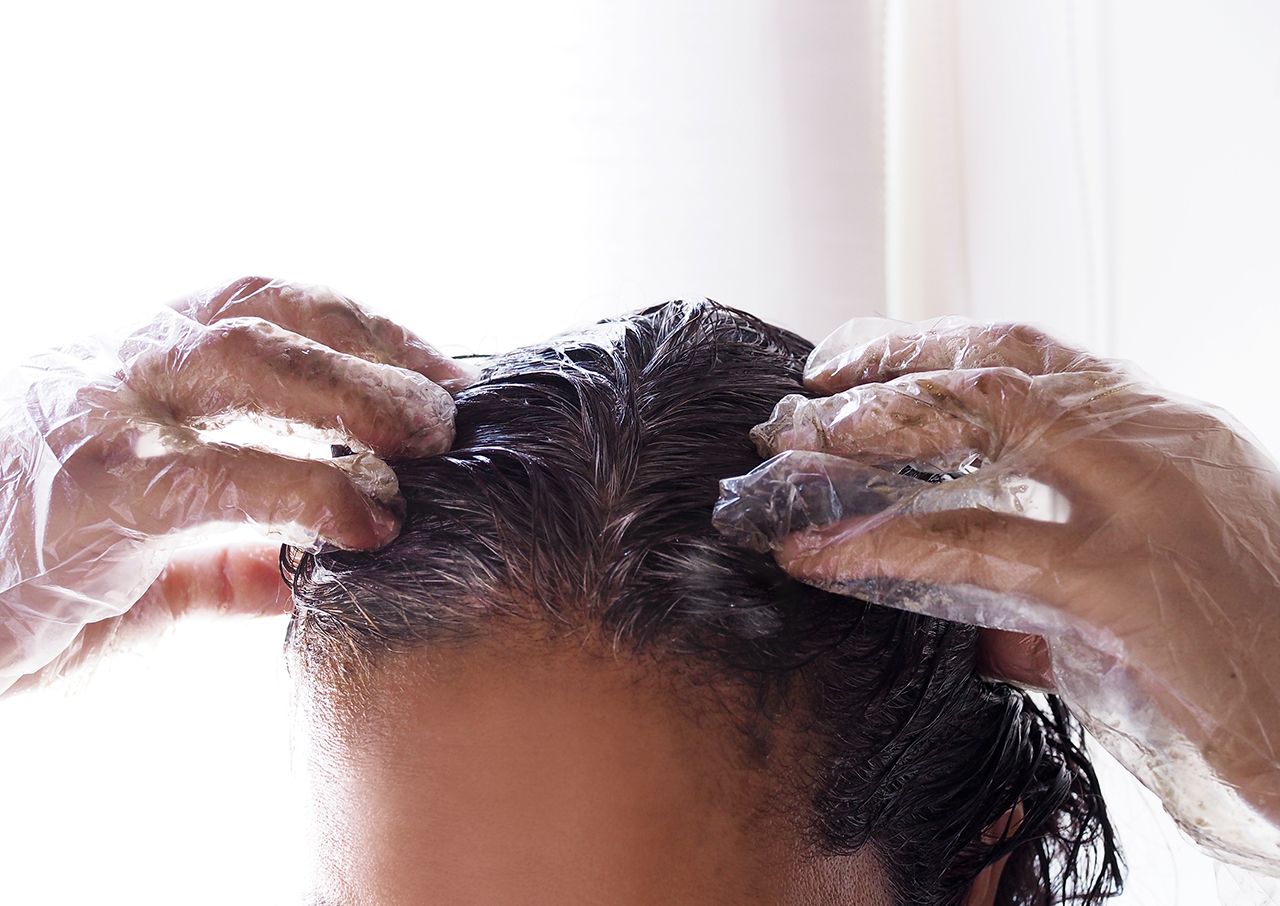
Many women instinctively reach for a single, all-over hair color when gray hairs start appearing, hoping it will create a seamless, youthful look. Solid color can certainly cover grays, but colorists say it isn't always the most flattering choice. Hair naturally loses some of its depth and dimension with age, and applying one uniform shade from roots to ends can make hair appear flatter and less vibrant than it really is. As gray hair grows in, the contrast between the roots and a solid color can also make regrowth more noticeable, leading to more frequent touch-up appointments.
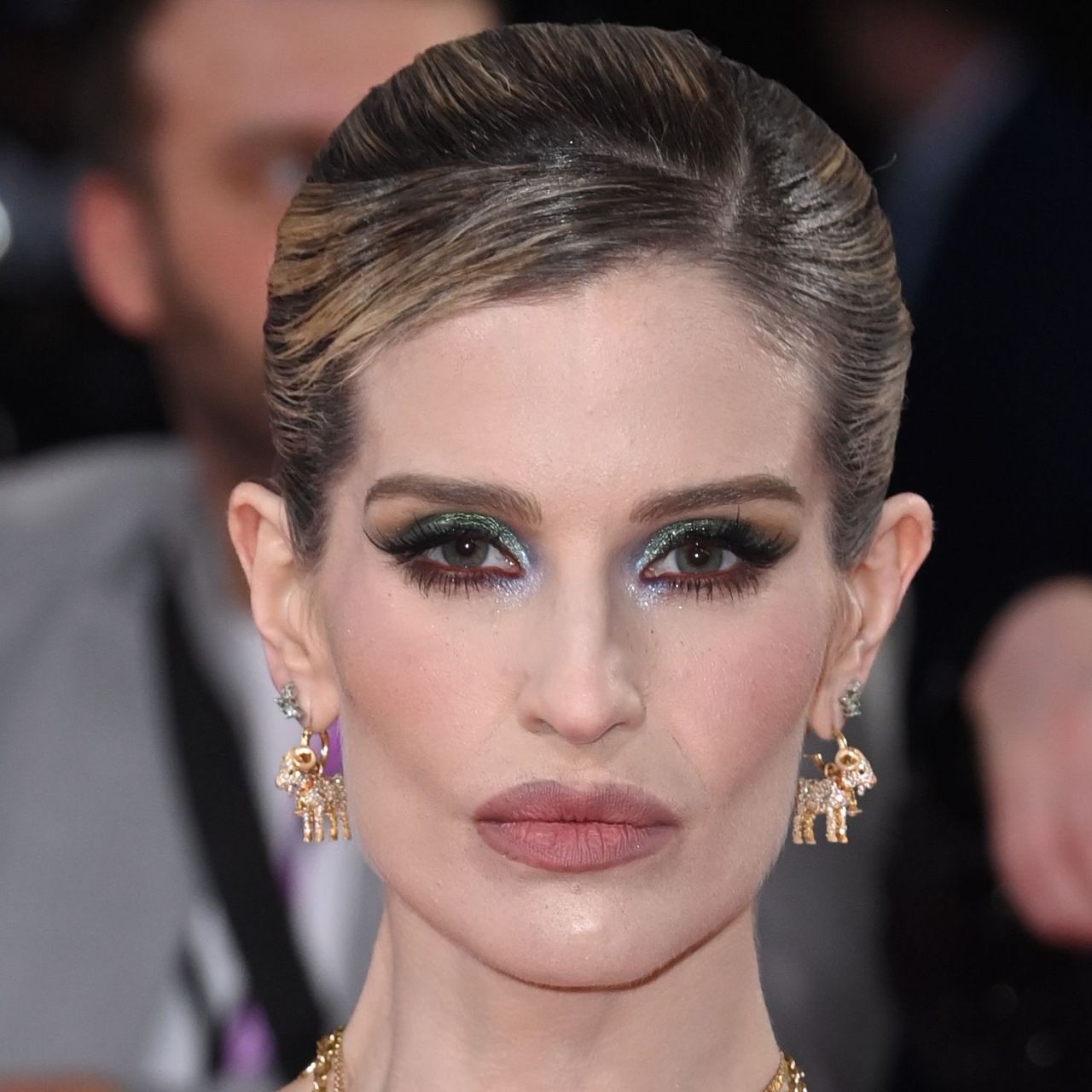
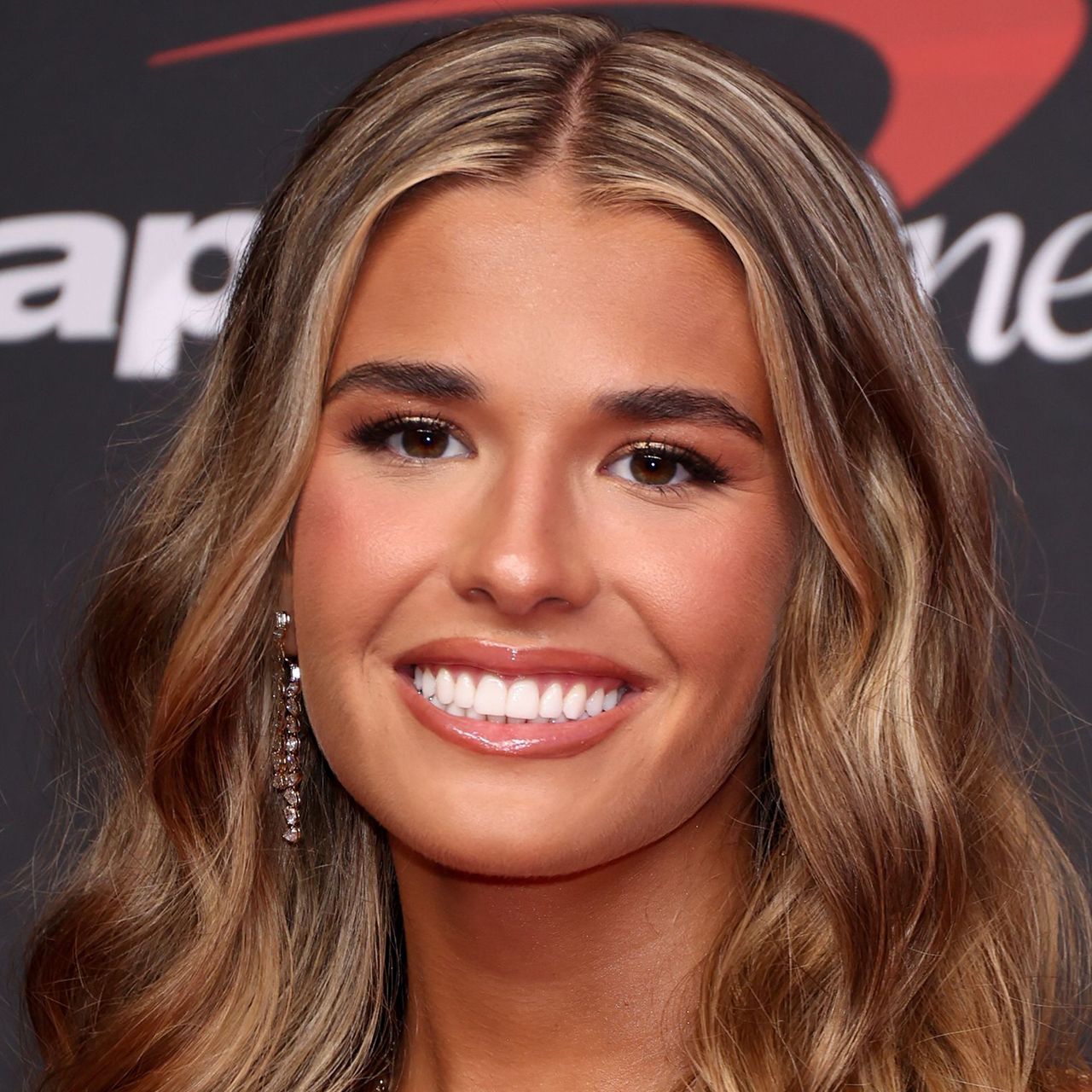
Instead, many colorists recommend adding subtle dimension with techniques like lowlights, highlights, babylights, or a soft root smudge. These approaches mimic the natural variation found in healthy hair, creating movement and helping gray strands blend in more gracefully. The result is a softer, more natural-looking color that reflects light beautifully and can even make hair appear fuller and shinier. Dimensional color also tends to make the transition between salon visits much less obvious, so new gray growth doesn't stand out as dramatically.
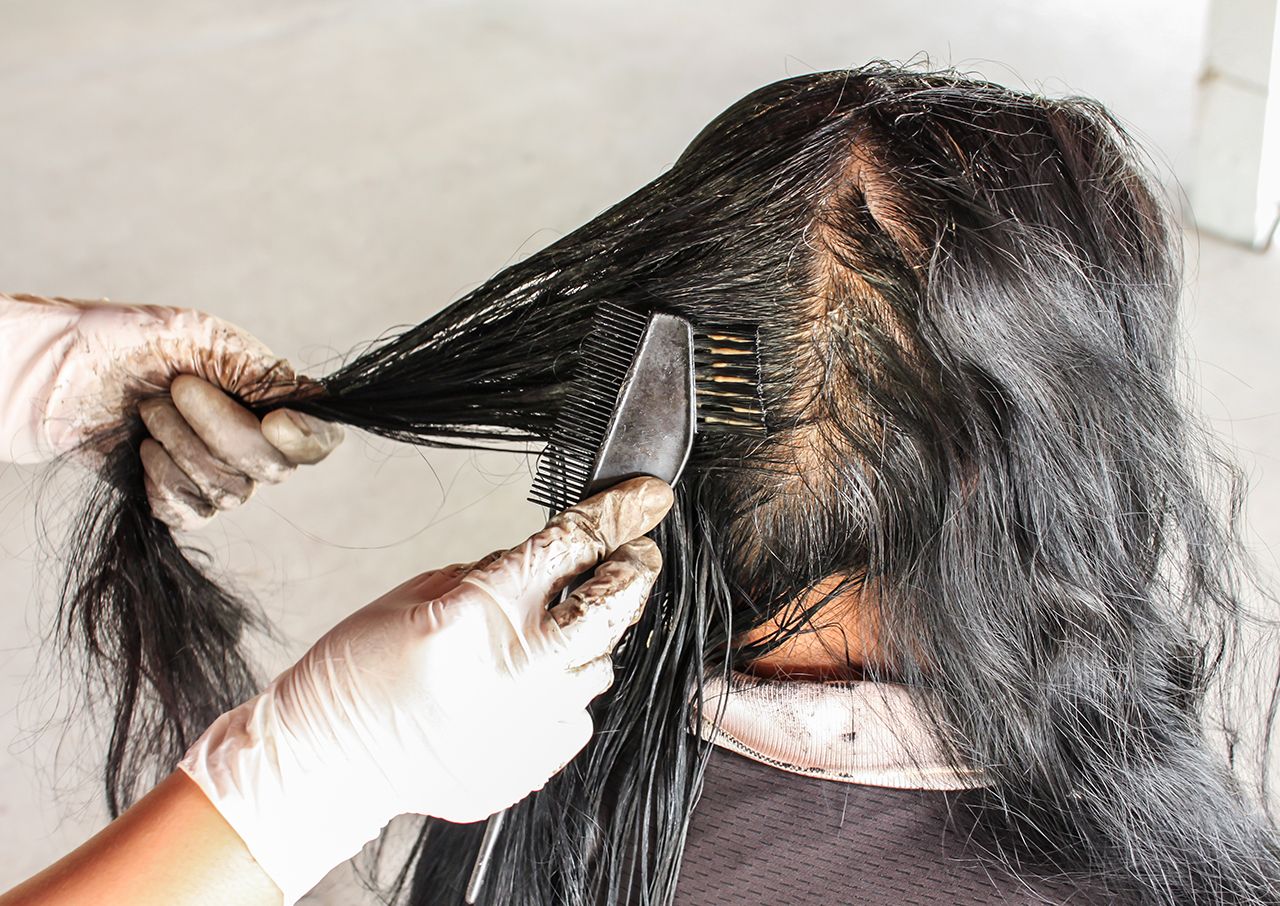
If you're ready for a change, ask your colorist about a customized color plan rather than a single-process shade. Depending on your natural hair color and how much gray you have, they may suggest weaving in delicate highlights, adding a few richer lowlights, or choosing a slightly softer base color that's closer to your natural tone. These small adjustments can create a more modern, flattering finish that enhances your complexion, softens harsh lines, and lets your hair grow out more naturally without the stark, one-dimensional effect of a solid color.