




As we age, staying active becomes less about chasing a certain body type and more about maintaining strength, mobility, and living pain-free. For women over 40, hormonal changes and the natural loss of muscle mass can make it more difficult to maintain a toned core while also increasing the likelihood of lower-back discomfort.
The good news? Experts say you don’t need hours in the gym to see results. Focusing on “life-changing” exercises that strengthen your core, glutes, and deep stabilizing muscles can improve posture, protect your spine, reduce back pain, and help define your midsection at the same time.
Here are six of the best exercises fitness professionals recommend adding to your routine.

Women Are Swapping Their Boring Water For This Ice Pop Electrolyte Mix!

1. Bird Dogs
The bird dog is one of the most effective exercises for strengthening the deep core muscles without putting unnecessary stress on the spine.
"For improving stability, balance, and overall core strength, the bird-dog exercise is hard to beat. It targets the muscles along the spine, including the erector spinae, while also engaging the abs and glutes. Plus, it's a great way to activate those deep core muscles that are often overlooked," Andrew White, a NASM-certified personal trainer and co-founder of garagegympro.com, states.
He also adds that "the bird-dog exercise strengthens the core, lower back, and improves balance and stability by engaging both the back and abdominal muscles simultaneously." Start on your hands and knees with your wrists stacked beneath your shoulders. Slowly extend your right arm forward while reaching your left leg straight behind you. Pause briefly before returning to the starting position and switching sides. The movement improves balance, posture, and spinal stability while teaching the body to engage the core during everyday movements.
2. Dead Bugs
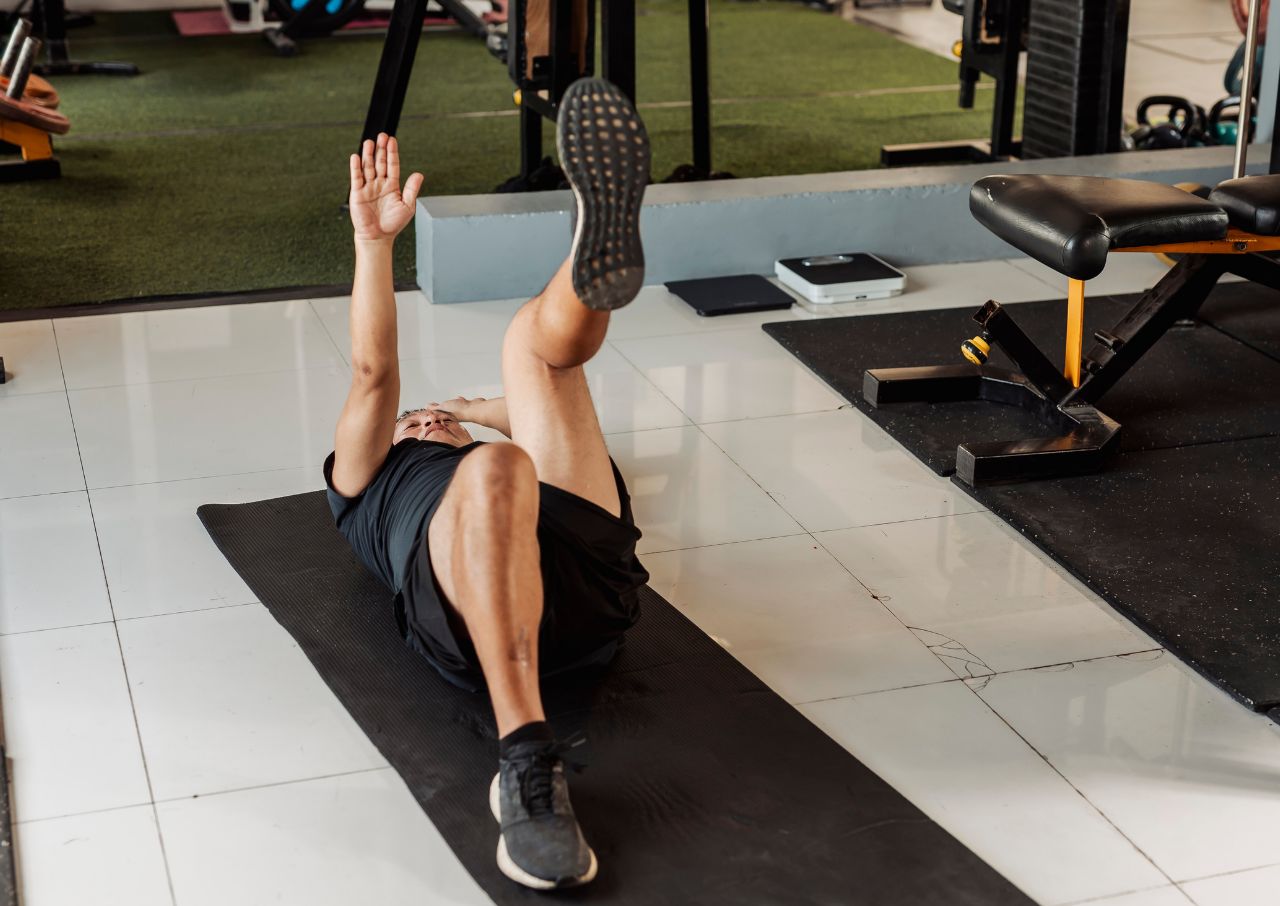
Despite the unusual name, dead bugs are considered one of the safest core exercises for anyone dealing with lower-back pain. Lie on your back with your arms extended toward the ceiling and your knees bent at 90 degrees. Slowly lower your opposite arm and leg toward the floor while keeping your lower back pressed into the ground. Return to the starting position and repeat on the other side. This exercise strengthens the transverse abdominis—the deep abdominal muscle responsible for stabilizing the spine.
3. Glute Bridges
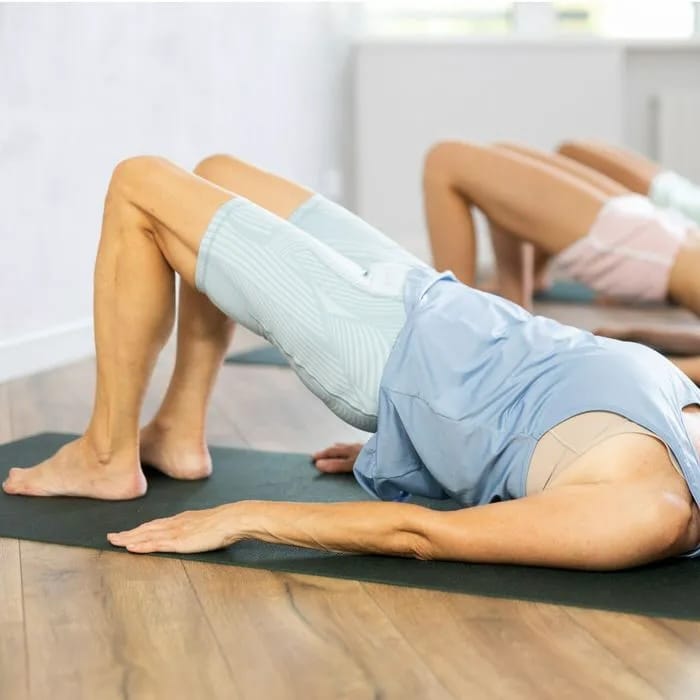
Weak glutes are a surprisingly common contributor to lower-back pain because they force the back muscles to compensate during daily activities. Lie on your back with your knees bent and feet flat on the floor. Press through your heels as you lift your hips until your body forms a straight line from your shoulders to your knees. Pause at the top before lowering slowly. In addition to strengthening the glutes and hamstrings, bridges improve pelvic stability and reduce pressure on the lumbar spine.

4. Side Planks
Side planks target the obliques and other muscles responsible for keeping the spine stable.
Lie on one side with your elbow directly beneath your shoulder. Lift your hips off the floor while keeping your body in one straight line. Hold for several seconds before switching sides. As strength improves, gradually increase the hold time.
5. Cat-Cow Stretch
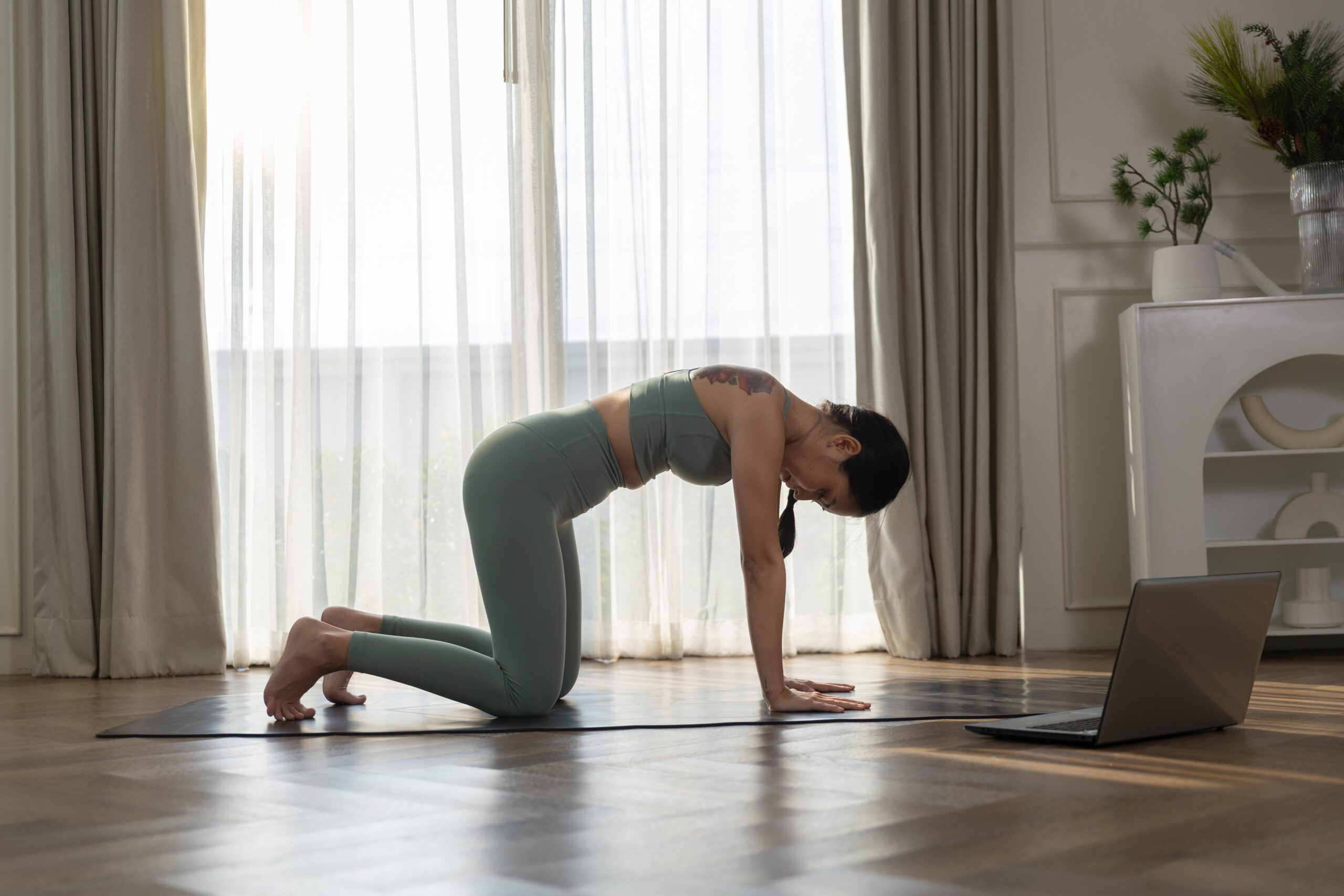
While not technically a strengthening exercise, the cat-cow stretch helps improve spinal mobility and relieve stiffness that often contributes to back discomfort. Begin on your hands and knees. Alternate between arching your back toward the ceiling (cat) and lowering your belly while lifting your head and tailbone (cow). Move slowly with your breathing. Practicing this stretch daily can help reduce tension and improve flexibility throughout the spine.

6. Modified Planks
Traditional planks are a staple for good reason—they strengthen nearly every muscle in the core. If a full plank feels too challenging, begin with your knees on the floor while maintaining a straight line from your shoulders to your knees. Focus on keeping your abdominal muscles engaged and avoiding any sagging through the lower back. Over time, progressing to a full plank can help improve core endurance and posture.
The Bottom Line
For women over 40, building a stronger core isn't just about achieving flatter abs. A stable, well-conditioned midsection helps support the spine, improves balance, protects against injury, and can significantly reduce everyday lower-back pain. The key is consistency. Performing these exercises just a few times each week—alongside regular walking, strength training, and stretching—can help improve posture, increase stability, and keep you feeling strong for years to come.