

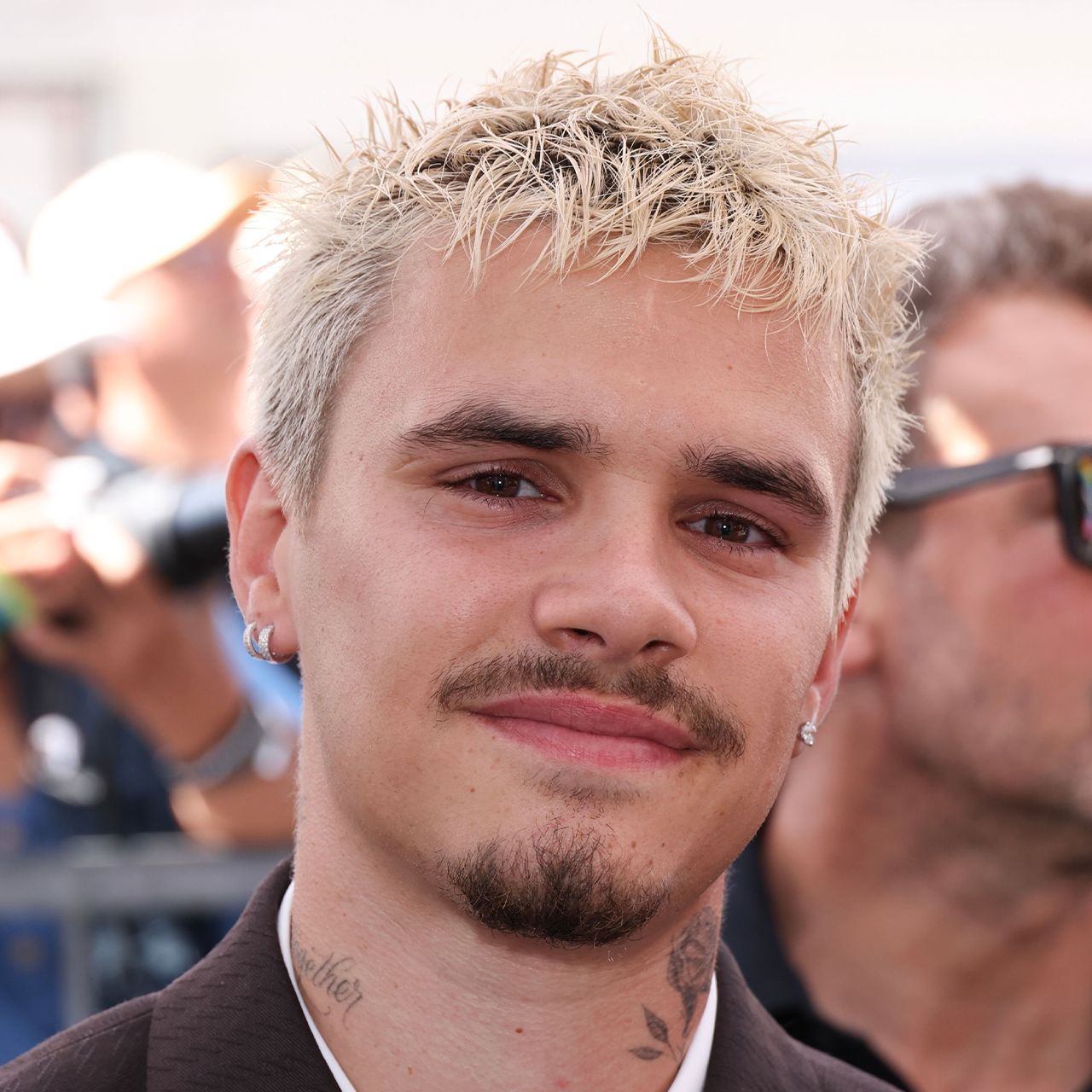
After Victoria Beckham and David Beckham faced backlash over their daughter Harper Beckham launching her own skincare line at 15, the famous family is facing criticism again—this time over their son Romeo Beckham becoming the newest face of Tommy Hilfiger’s denim campaign.
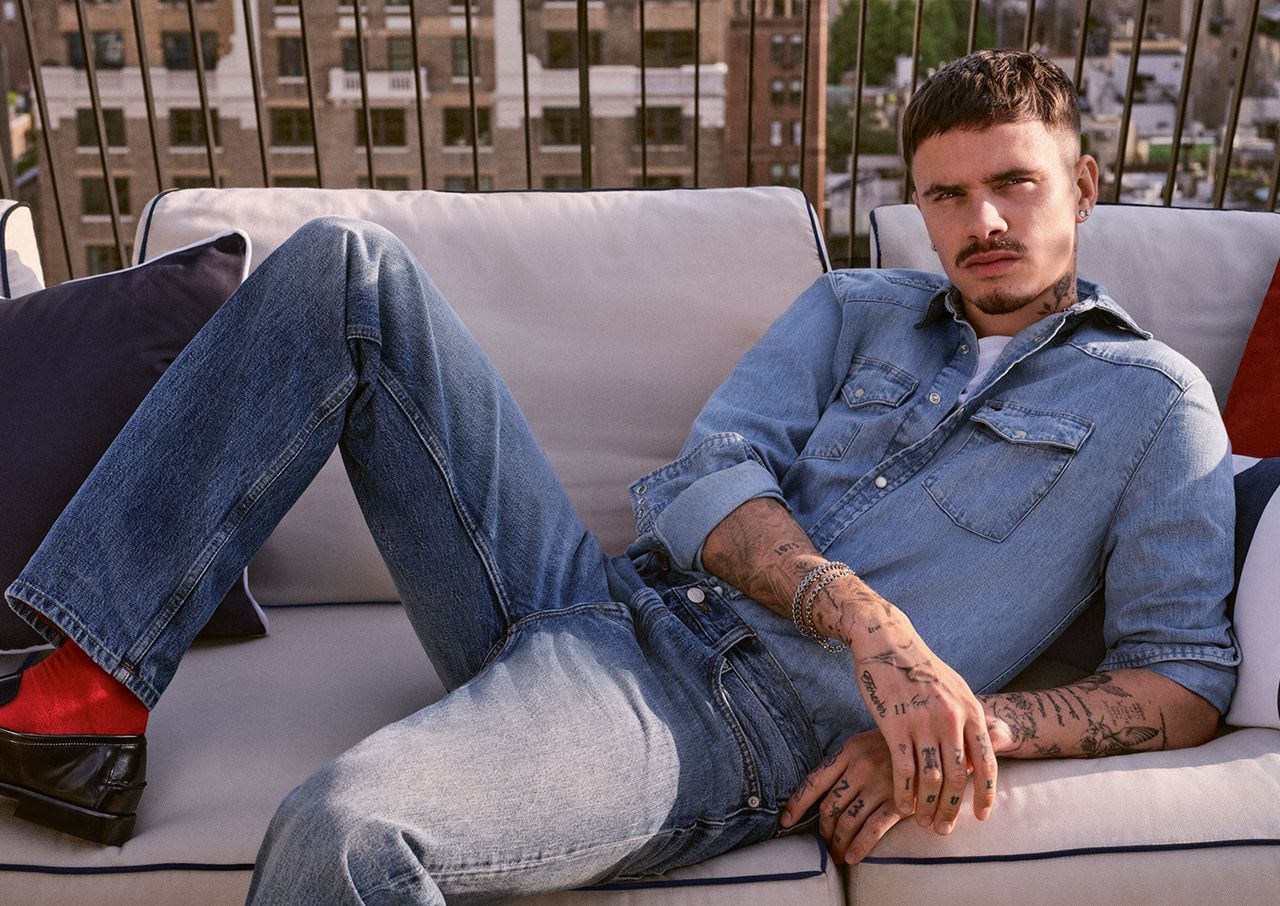
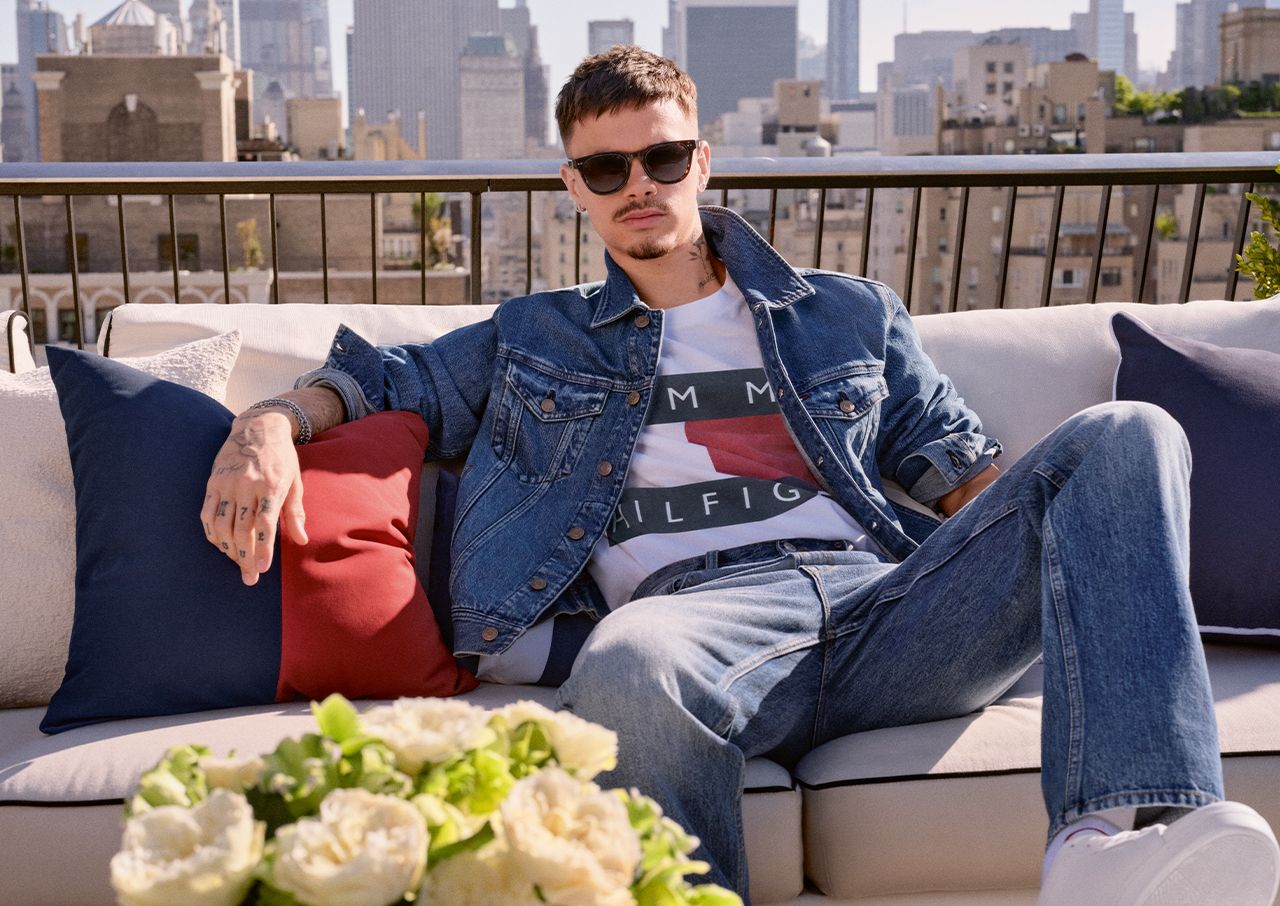
Romeo, who is a former soccer player, stars in the brand’s fall “Always Denim” campaign, appearing in a series of photos released by the fashion house. In the images, the 23-year-old model poses at The Mark Hotel in New York City wearing a variety of denim looks, including matching denim sets, light-wash jeans, button-down shirts, and Tommy Hilfiger’s signature pieces.

Women Are Swapping Their Boring Water For This Ice Pop Electrolyte Mix!
Romeo Beckham Is New Face Of Tommy Hilfiger Campaign
For the fall collection, Romeo showcases different denim silhouettes, including the relaxed, ‘90s-inspired “Theo” baggy jean styled with a cable-knit sweater, as well as the classic straight-leg “Dover” jean paired with a tucked-in shirt.
“There’s no right or wrong way to wear denim—that’s the whole point,” Romeo said. “One day I’ll wear it with a leather jacket, the next with a classic white T-shirt. You can take inspiration from rock, prep or vintage, any kind of style. Tommy’s iconic denim has been around for my entire life, but it always feels current because everyone makes it work in a way that feels natural to them.”
However, after the campaign was shared online, many commenters shifted the conversation away from the fashion and toward the ongoing debate surrounding nepo babies—children of celebrities who critics argue benefit from their family connections.
Fans flooded Instagram comments with reactions, questioning whether Romeo would have landed the campaign without his famous last name.
Fans React
“Can we have some non-nepo talent?” one person wrote.
Another commented, “Ok, let’s do this exercise. Remove his last name for a second. Do you think brands could contract this sweet man without it?”
Others were more direct, writing, “Wouldn’t get a second glance if he didn’t have the surname,” and “Nepo nonsense. No experience, no training, filthy rich.”
Some critics argued that opportunities like major fashion campaigns should go to emerging models instead.
“Why not give an up-and-coming model a chance instead of these celebrities’ children all the time?” one person wrote.
Another added, “Of course. Only the kids of the elites get these contracts. Nepotism on full display..”
While supporters of celebrity offspring often argue that access, visibility, and connections are common in entertainment and fashion, Romeo’s latest campaign has once again reignited the larger conversation about privilege and opportunity in the industry.