





For a lot of people, they keep an intense amount of personal information within their emails, which is why it’s important to keep those accounts safe.
Unfortunately, one of the most popular ways hackers and scammers like to steal information from people is to trick them via email. Additionally, the trickster emails these malicious people send are getting harder and harder to detect, as sometimes even the sender addresses look legit. Using info from tech and cybersecurity pros, we’re listing one of today’s most common email scams that’s linked to people trying to steal identities. Read more about it below.

Women Are Swapping Their Boring Water For This Ice Pop Electrolyte Mix!
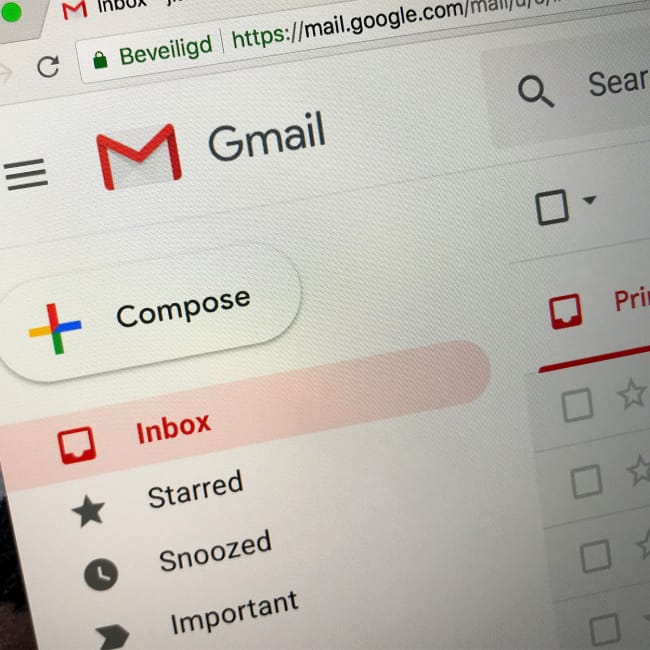
The Risks of Modern-Day Email Scams
If you're reading this right now, you likely have an active email account that you use or check at least once a day.
People's emails are becoming more like their lifelines these days, as their inboxes contain extremely valuable information. Not only are there private details listed in emails, as well as sensitive documents sent as attachments, but people tend to use their email accounts (i.e., Google) to create quick log-ins for other websites, from social media to retailers. This is why the idea of your email getting hacked can be quite scary.
Emails happen to be one of the most common ways that people can get hacked or tied up with scammers, and these scams can lead to serious consequences. That's why it's important to be aware of what a modern-day scam email can look like.
"Scam emails are growing smarter and more dangerous," explains tech pro Steven Athwal. "It's no longer as simple as just checking the obvious email address or dodgy typos in the content. They're smarter, more sophisticated."
How To Spot An Email Scam & What To Do To Protect Yourself
Athwal notes that it's a good idea to be wary of emails that have a sense of urgency to them, and to do some research before interacting with them right away.
"Urgency in emails is a big giveaway," he says. "If it's hurrying you to get something done, typically with language like 'today', or if they're introducing penalties for immediate compliance, it's likely a scam. They design this deliberately to induce anxiety, making the reader rush their actions and click without thinking. The sender address is still one of the biggest giveaways, juggling the order of a genuine email sender, and even changing the display name to look real and accurate. They're made to look convincing, and require a good eye to spot the single character that is off, so just make sure to double-check that it's coming from the same reliable source you trust."
"Any links that are telling you to verify personal information are a scam," he continues. "If any of the behavior in an email looks suspicious to you, go verify with a real individual or with the organization's website."