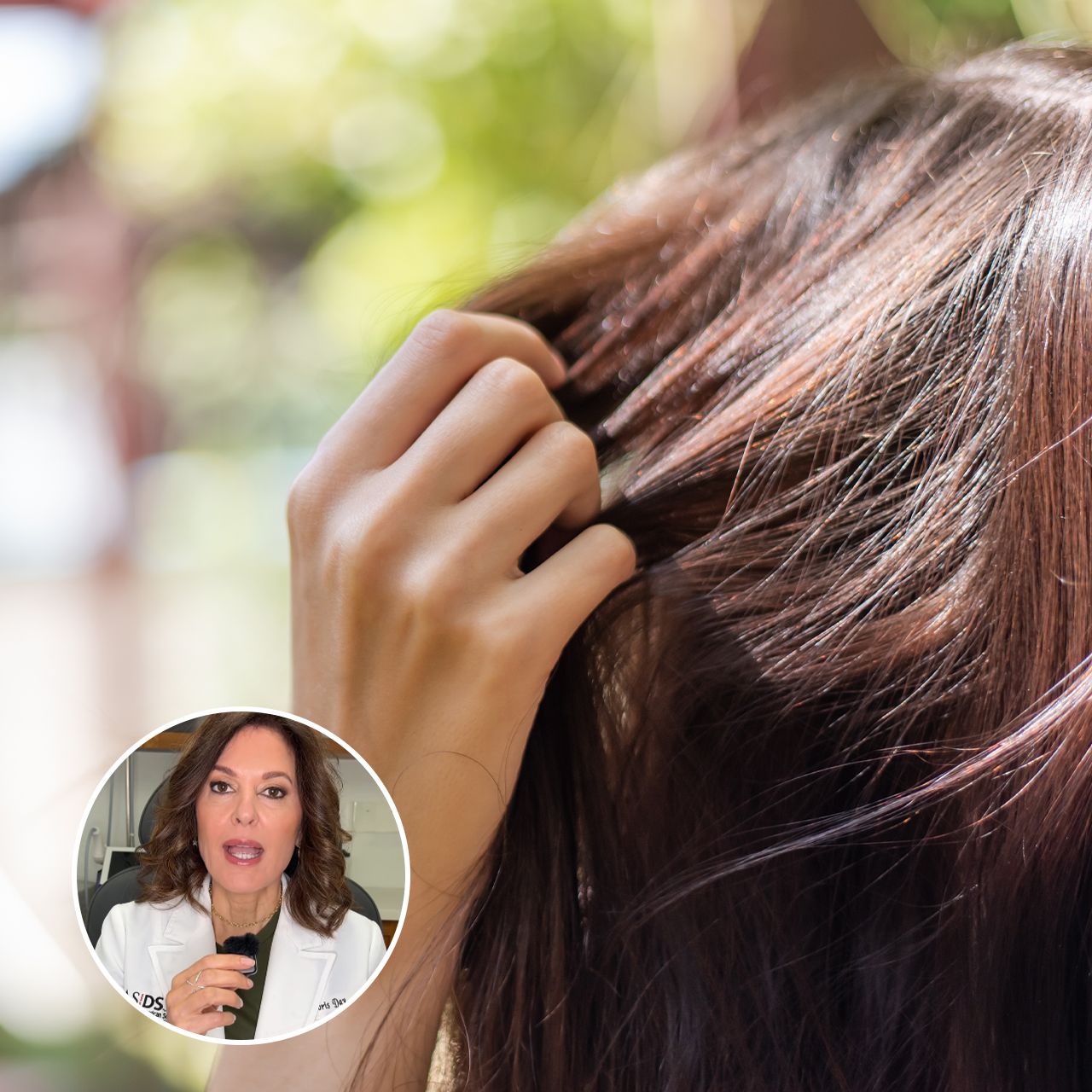



When it comes to thinning hair, most people focus on finding products that promise thicker, fuller strands. However, experts say it’s just as important to pay attention to the ingredients hiding in your shampoo. Certain additives commonly found in hair-care products may contribute to scalp irritation, buildup, dryness, and breakage—all of which can make thinning hair appear worse over time. While not everyone will react the same way, dermatologists and hair experts recommend being mindful of ingredients that could interfere with a healthy scalp environment and optimal hair growth. Here are three shampoo ingredients you may want to avoid if you’re concerned about hair thinning.

Women Are Swapping Their Boring Water For This Ice Pop Electrolyte Mix!

1. Silicones
While silicones can make hair feel smooth and shiny, they may be doing more harm than good for thinning hair. “Silicones in shampoo can cause hair loss by coating the scalp so that nutrients cannot be absorbed,” warns Dr. Enrizza P. Factor, writer at My Eczema Team. Over time, this coating effect prevents your follicles from getting the nourishment they need, leaving strands weaker and more prone to breakage.
2. Parabens
Parabens, used as preservatives in many shampoos, can harm scalp and hair health, especially for those with thinning hair. Dr. Factor explains they can cause “dryness and scalp irritation,” fade hair color, and even contribute to hair loss. “Since they are generally unsafe, it is best to avoid parabens until proven otherwise,” she advises. Using paraben-free products can help keep your scalp calm and your strands healthier.
3. Sulfates
Sulfates, like sodium lauryl sulfate (SLS), are powerful cleansing agents that create lather, but they can strip natural oils from the scalp. While they make your shampoo feel satisfying, sulfates can weaken hair strands, exacerbate breakage, and irritate the scalp. For thinning hair, gentler sulfate-free alternatives are recommended to maintain moisture and scalp health.
The Bottom Line
Healthy hair starts with a healthy scalp, and the products you use every day can make a difference. While silicones, parabens, and sulfates aren't guaranteed to cause hair loss in everyone, experts say they may contribute to buildup, irritation, dryness, or breakage that can worsen the appearance of thinning hair. If you're noticing increased shedding or struggling with fine, fragile strands, consider switching to gentler formulas designed to support scalp health. When in doubt, consulting a dermatologist can help identify the underlying cause of hair thinning and the best products for your specific needs.