


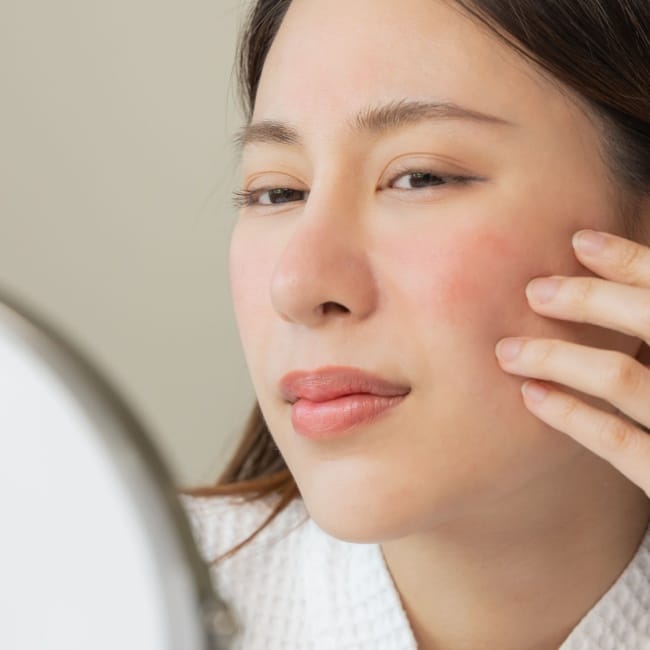
If your face seems to flush easily or you’re constantly battling redness, your diet could be playing a bigger role than you realize. While skincare products and environmental factors often get the blame, certain foods and beverages can also trigger facial redness—especially in people with rosacea.
Board-certified dermatologist Dr. Andrea Suarez, better known as Dr. Dray on YouTube, recently explained why some common foods can “aggravate facial redness” and flushing. According to the skincare expert, many of these triggers work by activating receptors in the skin or increasing blood flow to the face, resulting in that familiar flushed appearance.
However, Dr. Dray emphasizes that rosacea triggers are highly individual. What causes redness for one person may not affect someone else at all. Instead of eliminating entire food groups, she recommends paying attention to your personal triggers and adjusting your diet accordingly.
Here are some of the most common culprits.

Women Are Swapping Their Boring Water For This Ice Pop Electrolyte Mix!
1. Citrus Fruits
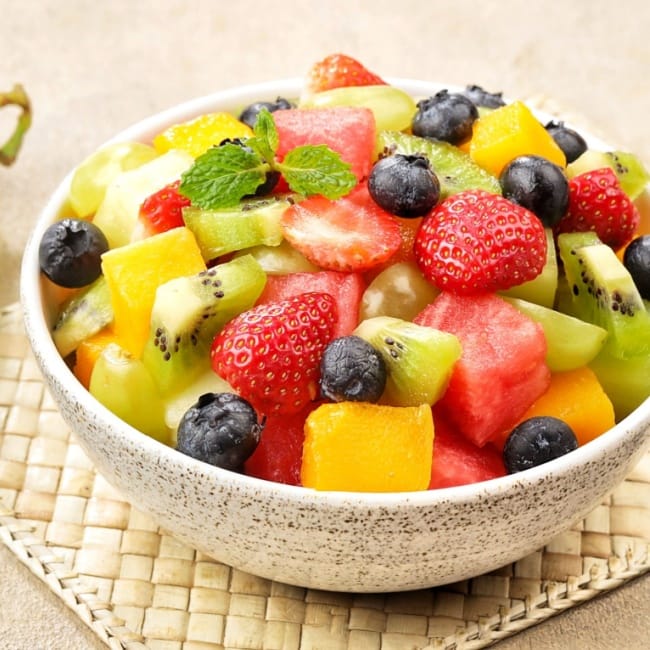
Citrus fruits are packed with vitamin C and antioxidants, but for some people with rosacea, they can contribute to facial flushing. According to Dr. Dray, citrus fruits contain compounds rich in cinnamaldehyde, which can bind to receptors in the skin and cause blood vessels to dilate. When those blood vessels widen, increased blood flow can create visible redness in the face. That doesn't mean everyone should avoid oranges, lemons, or grapefruits. Instead, monitor how your skin responds after consuming them and look for patterns.

2. Chocolate
Chocolate may be a beloved treat, but it can also be problematic for some people prone to facial redness. Like citrus fruits, chocolate contains compounds that may activate receptors associated with flushing and increased blood flow. While not everyone with rosacea experiences a reaction, some individuals find that chocolate consistently worsens their symptoms. If you've noticed increased redness after indulging in sweets, it may be worth tracking your intake to see whether chocolate is a trigger.
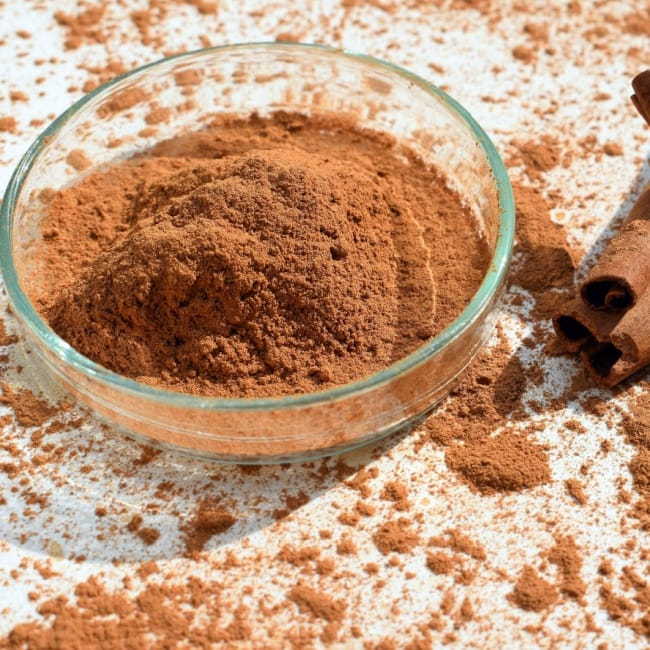
3. Cinnamon
That cozy cinnamon latte or pumpkin spice treat may be contributing to your redness. Dr. Dray explains that cinnamon is another source of cinnamaldehyde, the compound linked to blood vessel dilation. As a result, cinnamon-heavy foods and beverages may provoke flushing in people who are already prone to facial redness. "Watch out, pumpkin spice," she joked in her video.
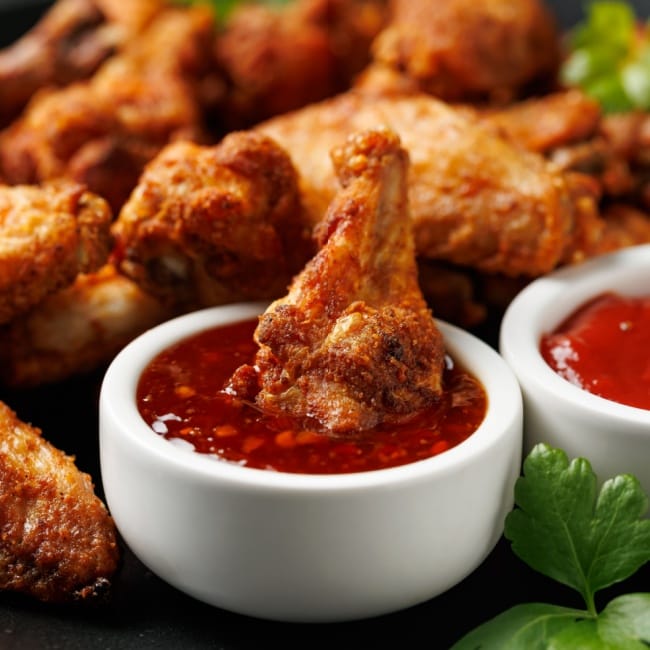
4. Spicy Foods
Spicy foods are among the most frequently reported rosacea triggers. Peppers contain capsaicin, a naturally occurring compound responsible for their heat. According to Dr. Dray, capsaicin can activate receptors in the skin that increase blood flow and trigger flushing. Hot sauces, spicy curries, jalapeños, and chili peppers are common offenders, though sensitivity levels vary widely from person to person.

5. Alcohol
Alcohol is another major trigger for facial redness. When alcohol is metabolized by the body, histamine is released. This can cause blood vessels to expand, increasing circulation to the skin and creating a flushed appearance. While red wine is often singled out as a rosacea trigger, Dr. Dray notes that various alcoholic beverages can contribute to redness depending on the individual.

6. Hot Coffee, Tea, and Soup
It's not always what's in your drink—sometimes it's the temperature. Dr. Dray says hot liquids such as coffee, tea, and soup can trigger flushing simply because their warmth encourages blood vessels to dilate as the body attempts to cool itself down. As a result, some people may notice redness after drinking a steaming cup of coffee even if caffeine itself isn't the issue.
The Bottom Line
Facial redness and rosacea flare-ups can be frustrating, but identifying dietary triggers may help minimize symptoms. According to Dr. Dray, common triggers include citrus fruits, chocolate, cinnamon, spicy foods, alcohol, and hot beverages. That said, rosacea is highly individualized. Rather than cutting out every potential trigger, experts recommend paying attention to how your skin responds after eating certain foods and beverages. Keeping a symptom journal can help pinpoint the specific items that may be contributing to your redness, allowing you to make targeted changes without unnecessarily restricting your diet.