




Frozen meals are convenient, affordable, and easy to prepare, so it’s no surprise they’ve become a staple in many kitchens. From frozen pizzas and breakfast sandwiches to microwaveable pasta bowls and breaded chicken, the frozen food aisle is loaded with quick meals to fit into busy schedules. Unfortunately, though, what you gain in convenience you may pay for with health effects—especially when it comes to ultra-processed varieties.
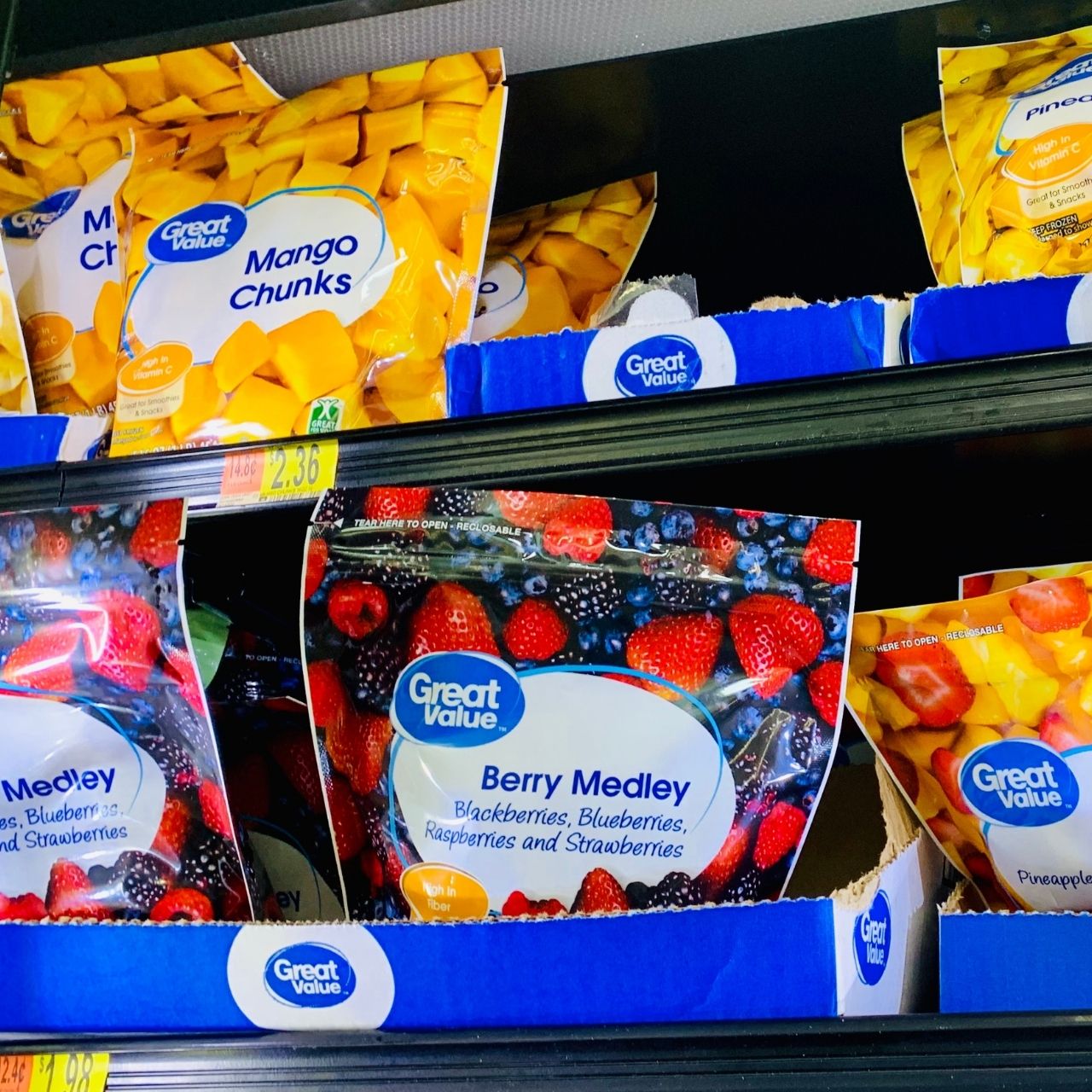
That said, not every frozen item deserves a bad reputation. According to dietitian Gabby Zeagler, MS, RD, CDN, CDCES, frozen fruits and vegetables can actually be a healthy choice. The concern is primarily with ultra-processed frozen meals, which tend to be high in sodium, additives, and processed ingredients. “When we are talking about cutting out frozen foods, it’s important to clarify ‘ultra-processed foods’ (UPF) in the frozen section such as TV dinners, frozen pasta dishes with pre-made sauces, breaded chicken or fish products, frozen pizza or breakfast sandwiches, and other frozen appetizers,” Zeagler explains. If you reduce your intake of these items, here are some changes doctors and dietitians say you may notice.

Women Are Swapping Their Boring Water For This Ice Pop Electrolyte Mix!

1. Your Sodium Intake May Drop
One of the biggest shifts that happens when you stop relying on frozen ultra-processed meals is a significant reduction in sodium. Many frozen dishes contain extremely high amounts of salt, which can add up quickly throughout the day.
"When we cut out frozen UPF foods your sodium (salt) intake drops, sometimes pretty significantly depending how often you eat these foods," Zeagler says. She notes that many frozen foods contain between 600 and 1200 milligrams of sodium per serving—and some people eat several in a single day.
The American Heart Association recommends limiting daily sodium intake to roughly 1,500 to 2,300 milligrams. Zeagler explains that someone eating a frozen breakfast sandwich (around 700 mg), a frozen lunch bowl (about 900 mg), and a frozen dinner (around 1,000 mg) would already exceed those guidelines before even adding snacks. When sodium intake drops, it can "help lower blood pressure, reduce bloating or swelling, reduce strain on your kidneys and heart, and help to lower your overall cardiovascular risk," she says.

2. Your Cancer Risk May Decrease
Another potential benefit of cutting back on frozen ultra-processed foods involves long-term cancer risk. While frozen food itself isn’t directly linked to cancer, some ingredients commonly found in these meals have been associated with certain cancers when consumed frequently.
Zeagler explains, "While there is not a ton of strong evidence suggesting frozen food causes cancer, many frozen foods do contain ultra-processed foods such as processed meats, high levels of salt or sodium, and additional additives that are still being studied."
For example, processed meats—which are commonly included in frozen breakfast sandwiches, pizzas, and pasta dishes—have been linked to an increased risk of colorectal cancer in some research. Diets consistently high in sodium have also been associated with higher gastric cancer risk. By reducing your intake of these ultra-processed ingredients, you may help support better long-term health.

3. You May Start Eating More Nutrient-Dense Meals
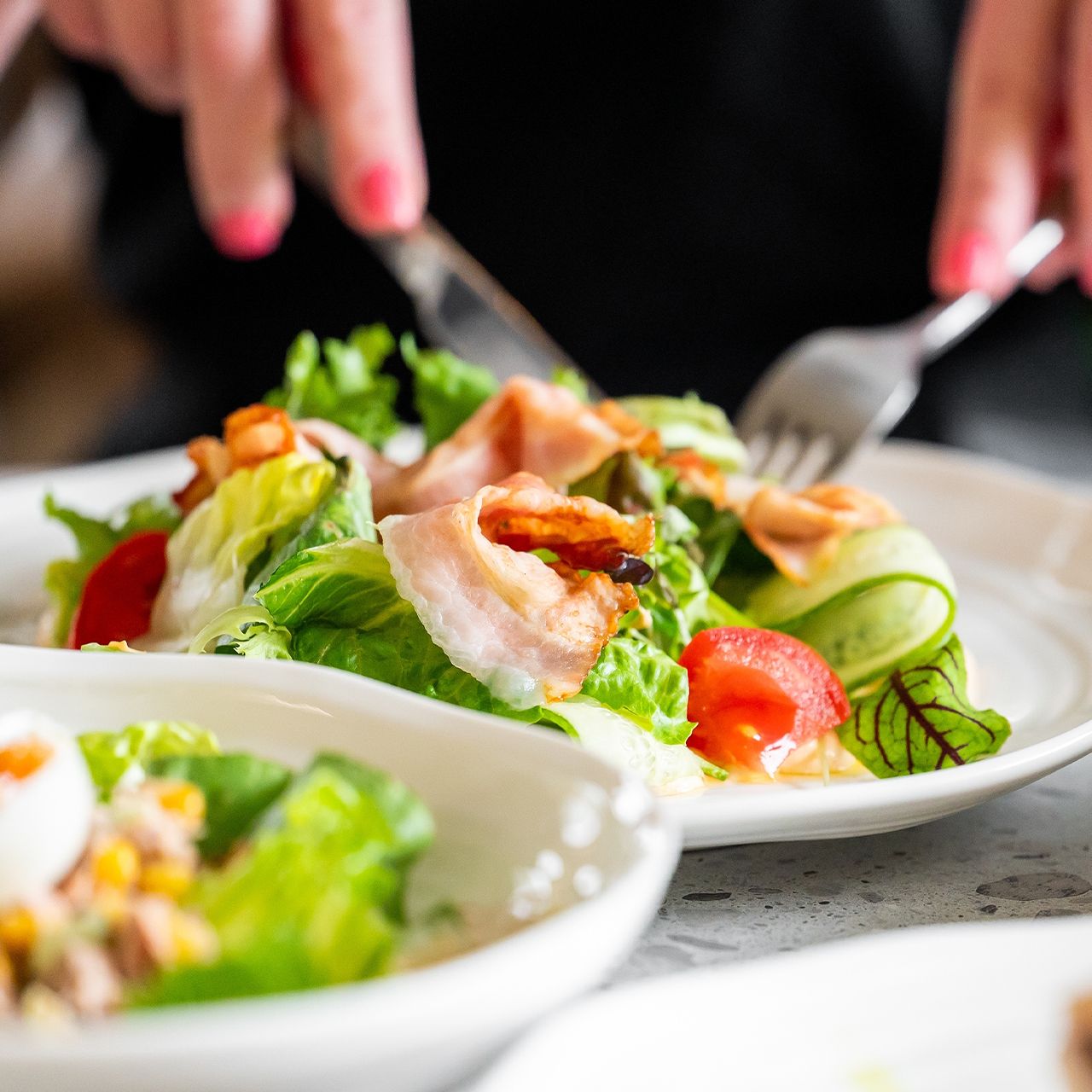
When people cut back on frozen ultra-processed foods, they often replace them with simpler meals made from whole or minimally processed ingredients. That can naturally increase your intake of fiber, vitamins, healthy fats, and lean protein.
Zeagler recommends following a simple formula when building quick meals at home: lean protein, vegetables, healthy fat, and a high-fiber carbohydrate. This approach helps ensure your meal is balanced and filling while still being convenient.
"It’s all about balance," she says. For example, she suggests easy combinations like rotisserie chicken with microwaveable quinoa and a bagged salad with olive oil, canned tuna or salmon with avocado and whole-wheat toast, or pre-cooked grilled chicken strips with plain frozen vegetables and a sweet potato. These types of meals can be just as quick as frozen dinners—but typically provide more nutrients and less sodium.

Bottom Line
Skipping the frozen food aisle doesn’t mean giving up convenience entirely. By limiting ultra-processed frozen meals and focusing more on simple, whole ingredients, you may reduce your sodium intake, support heart health, and potentially lower your risk of certain chronic diseases over time while still enjoying quick, easy meals.