

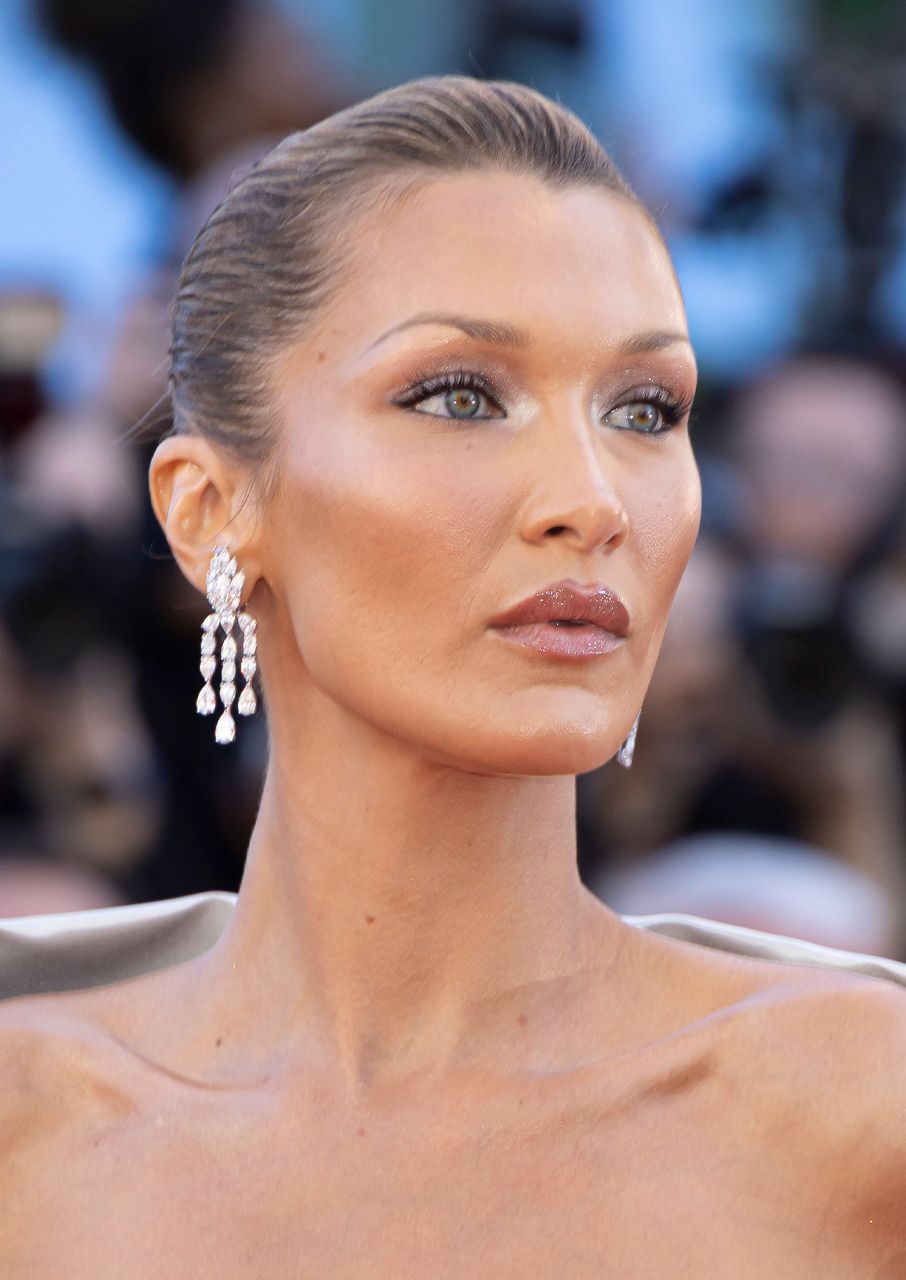
Gen Z may want to rethink one of its favorite hairstyles before it starts taking a toll on hair health. The slicked-back bun has become a go-to look for women who want an effortlessly polished appearance, but hairstyling experts warn that wearing it too tightly and too often could lead to hair loss.
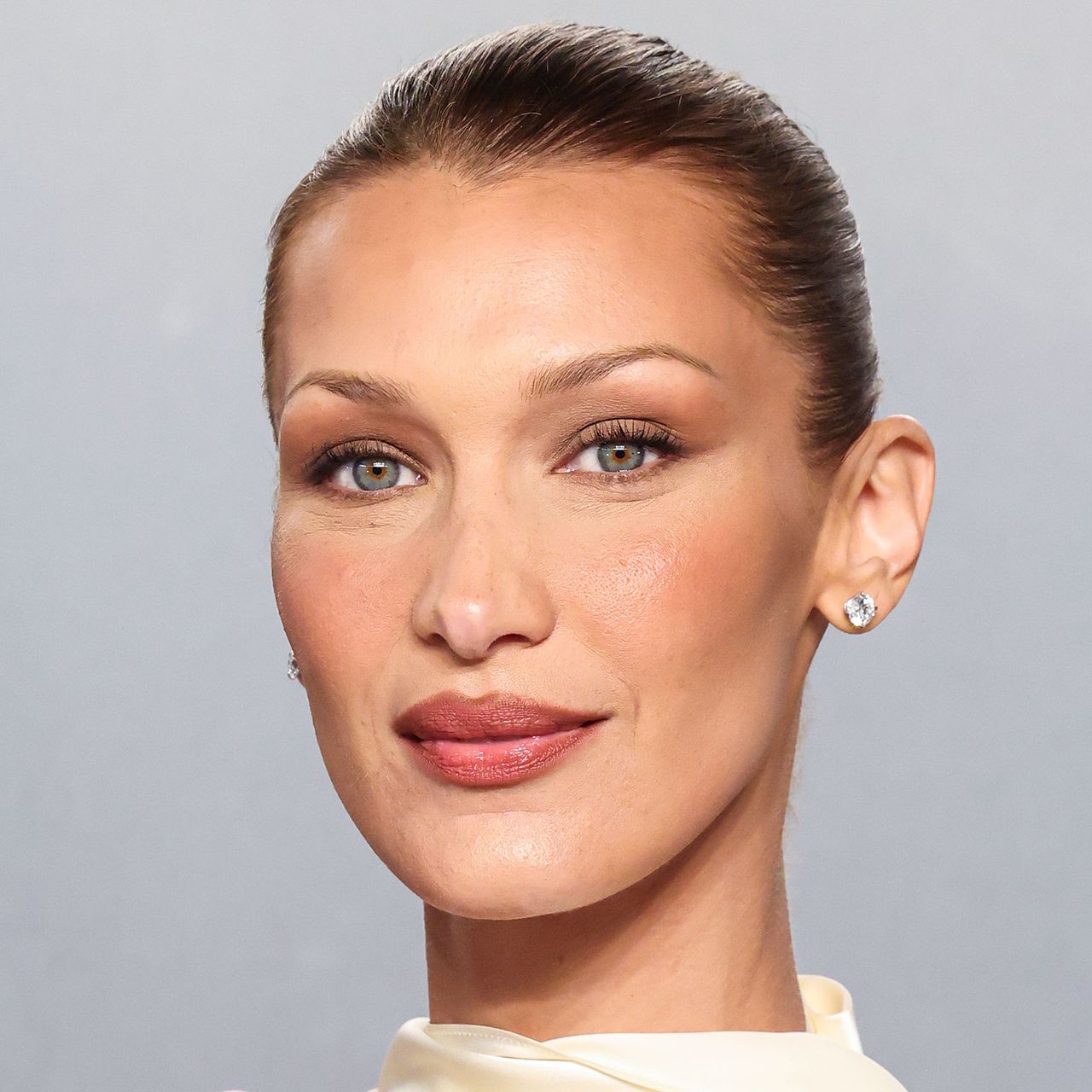
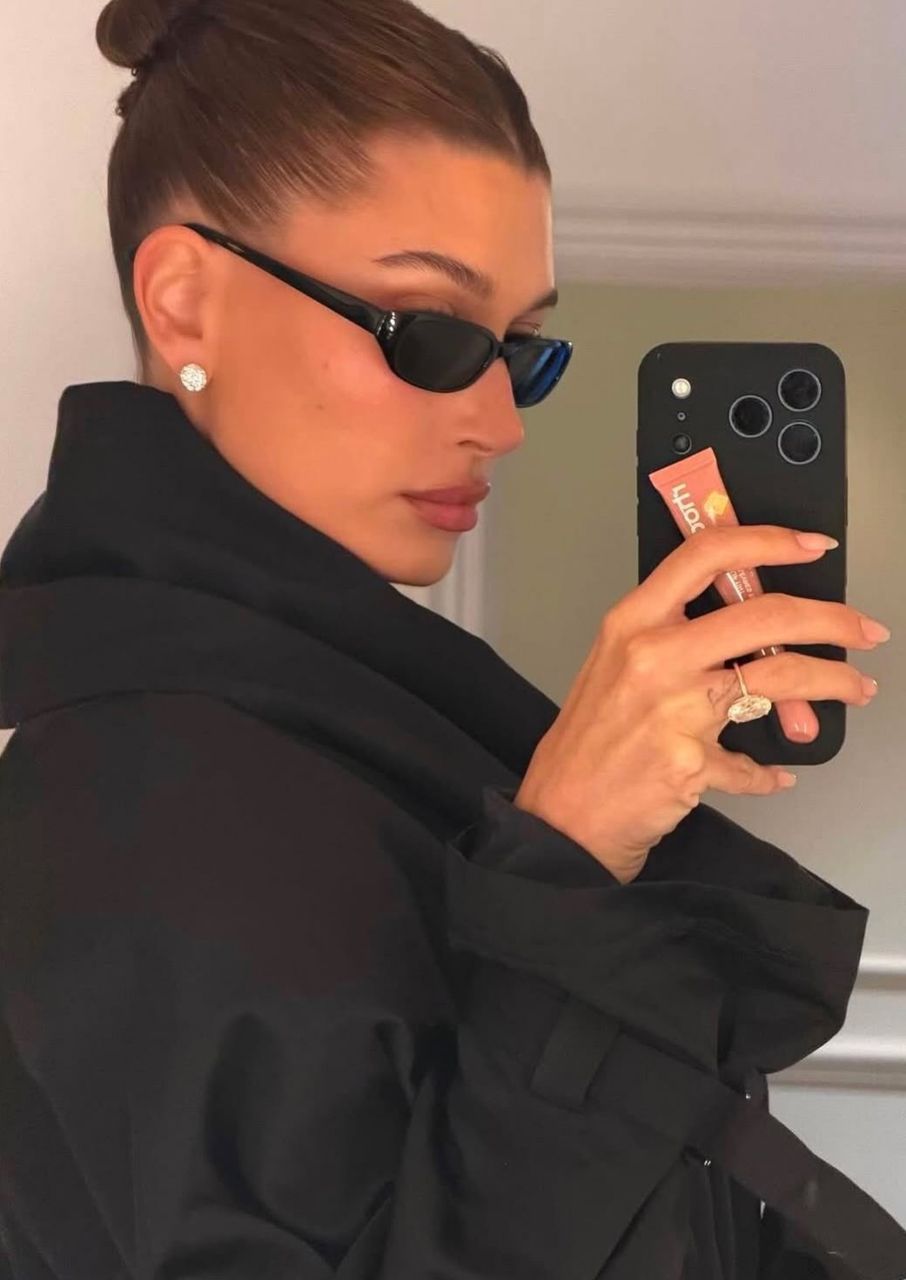
If you spend time scrolling through TikTok, chances are you’ve seen the style everywhere. From “day in my life” videos to celebrity looks worn by Hailey Bieber and Bella Hadid, the slicked-back bun has become a staple of the clean-girl aesthetic. It’s sleek, versatile, and easy to dress up or down. However, experts say repeatedly pulling the hair tightly against the scalp could have lasting consequences.

Women Are Swapping Their Boring Water For This Ice Pop Electrolyte Mix!
Experts Warn Against The Slicked-Back Bun
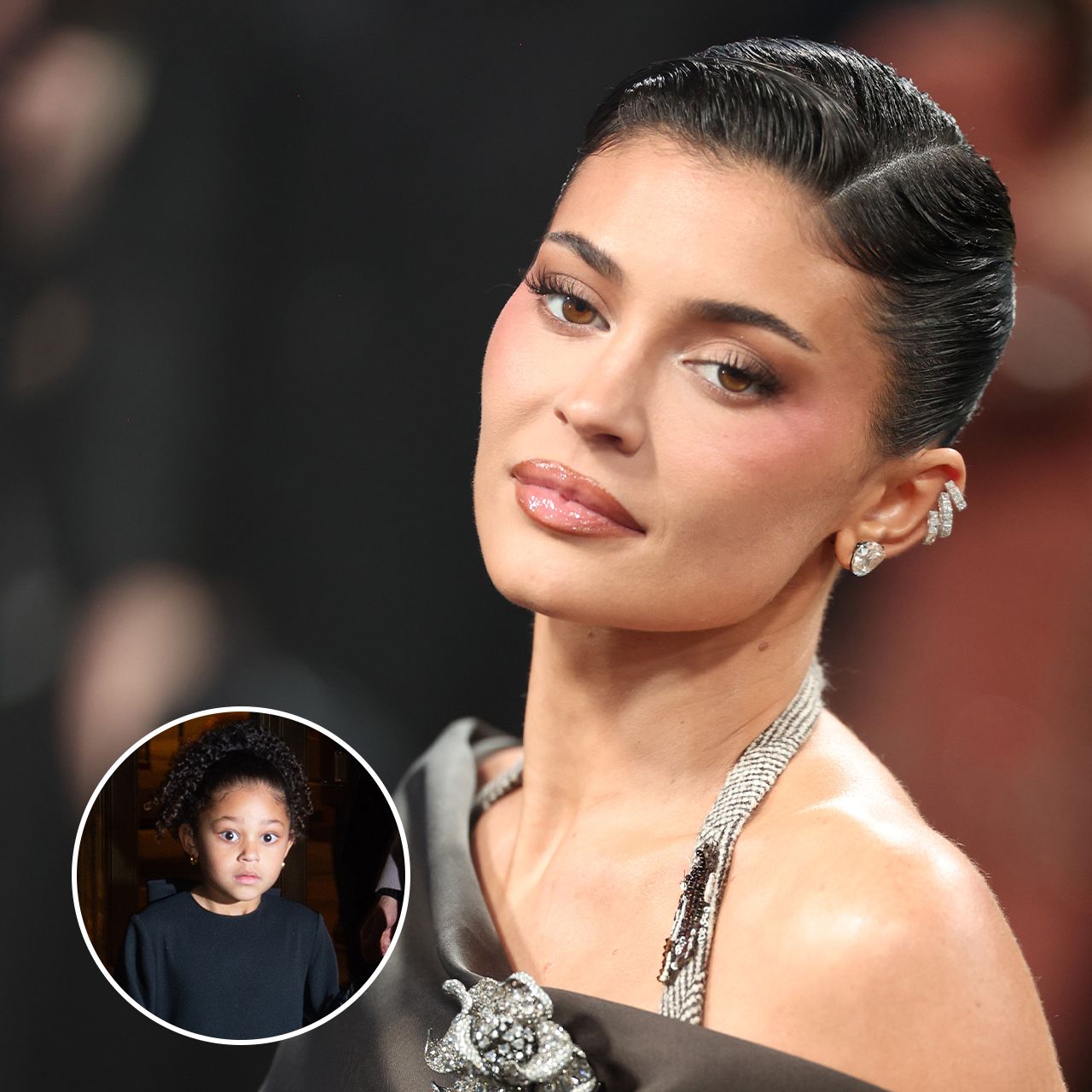
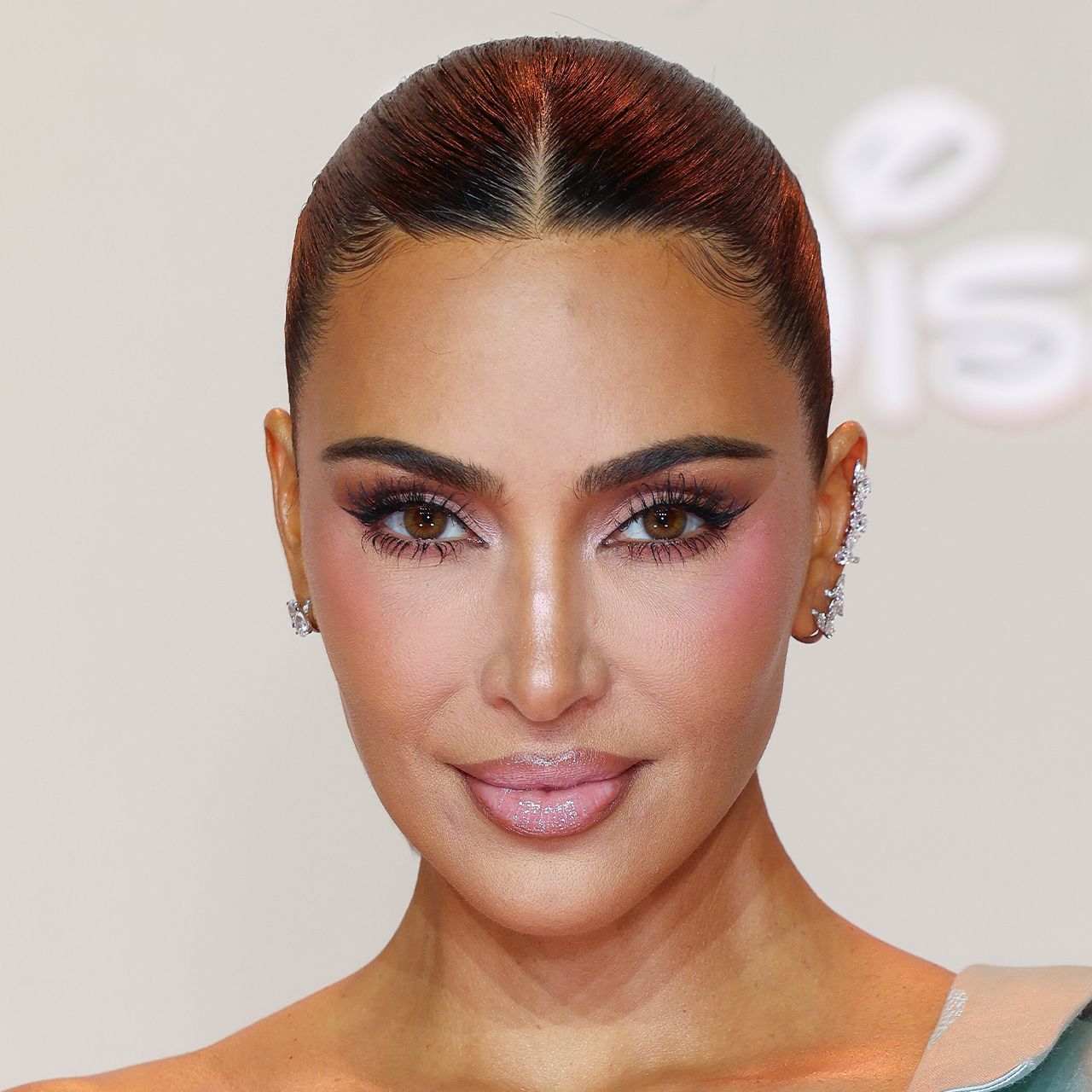
A slicked-back bun is a polished hairstyle in which the hair is smoothed flat against the head, often with a middle or side part, before being gathered into a ponytail and twisted into a neat bun.
The goal is to eliminate flyaways, bumps, and loose strands. Depending on the desired look, the bun can sit low at the nape of the neck, in the middle of the head, or high near the crown. The style is popular for everything from casual outings to formal events. Some people also use it to disguise greasy roots or keep their hair tucked away on conditioning-treatment days. But wearing the look too tightly on a regular basis may put unnecessary stress on the hair follicles.
Tina Mui, a master hairstylist, certified trichologist, and haircare brand owner, told The New York Post that one of the biggest concerns associated with tight slicked-back styles is traction alopecia.
“The risk with a tight slick-back is traction alopecia, which is hair loss caused by repeatedly pulling the follicle, usually around the hairline and temples,” she explained. “This type of hair loss isn’t instant; it’s generally caused by extended periods of consistent, tight styling,” she continued.
Traction alopecia develops when repeated tension damages hair follicles, particularly around areas where the hair is pulled most tightly. Early signs can include thinning, a receding hairline, or small patches of hair loss near the temples and edges.
However, Mui noted that tight hairstyles like the slicked-back bun aren't the only potential cause of hair thinning.
“More commonly, I see thinning caused by hormonal and nutritional imbalances,” she said. “Our lifestyles are becoming increasingly hectic, and factors like significant stress, illness, weight loss from GLP-1s, changes in medication, or even chronic lack of sleep can all disrupt the hair growth cycle and cause symptoms like shedding.”
How To Protect Your Hair Against Thinning
The good news is that traction alopecia may be reversible when caught early. Loosening hairstyles and avoiding repeated tension can give the follicles an opportunity to recover and allow hair to grow back. However, if the pulling continues for years, it can cause scarring and permanent follicle damage, potentially resulting in irreversible hair loss.
You don't necessarily have to give up the slicked-back look altogether. Instead, experts recommend wearing buns and ponytails more loosely to reduce tension on the scalp. Alternating between updos and wearing your hair down can also help minimize repeated pulling in the same areas.
It's also worth swapping tight elastic bands and metal clasps for gentler accessories, such as soft scrunchies, fabric headbands, or claw clips. A few small styling changes could help you enjoy the polished look without putting your hair health at unnecessary risk.