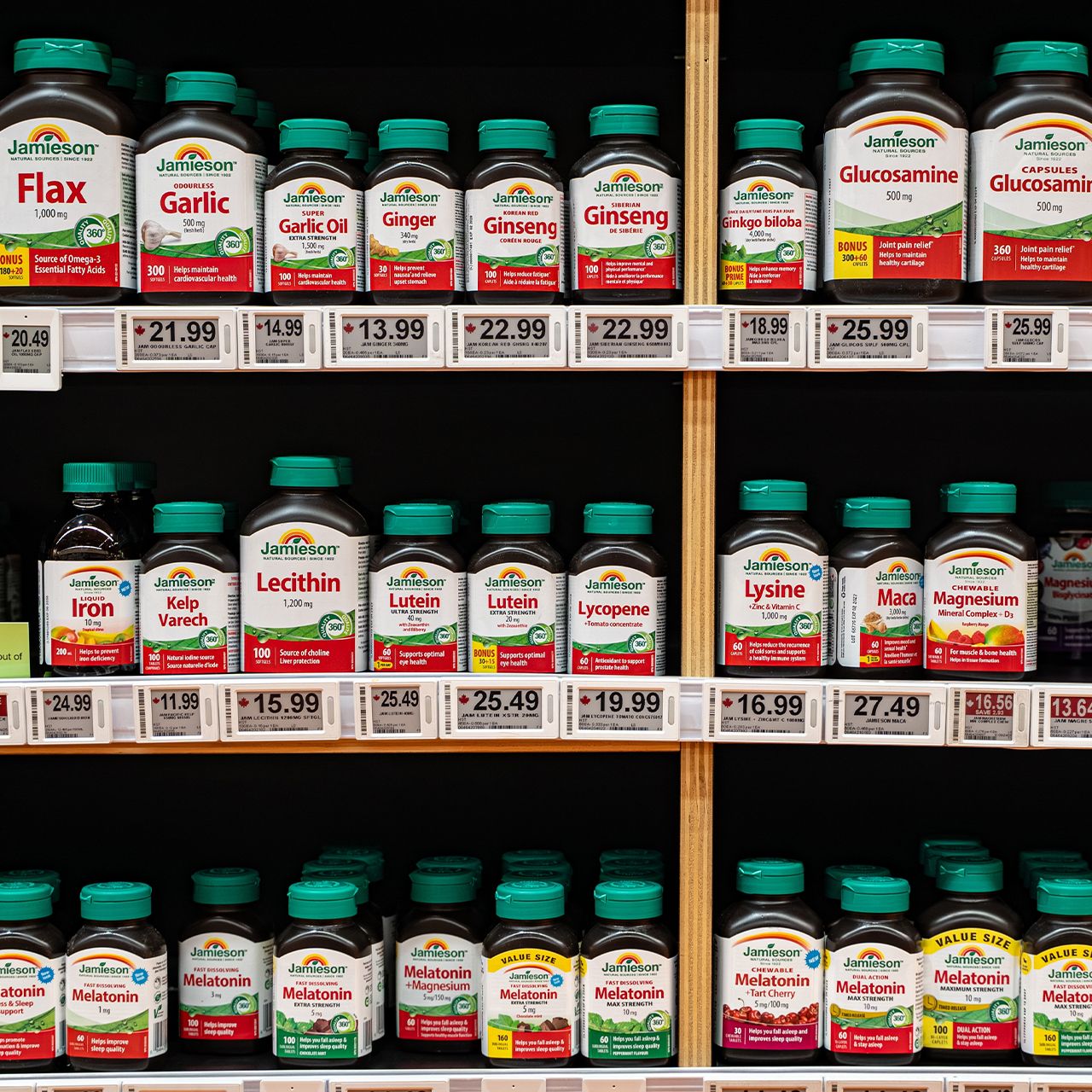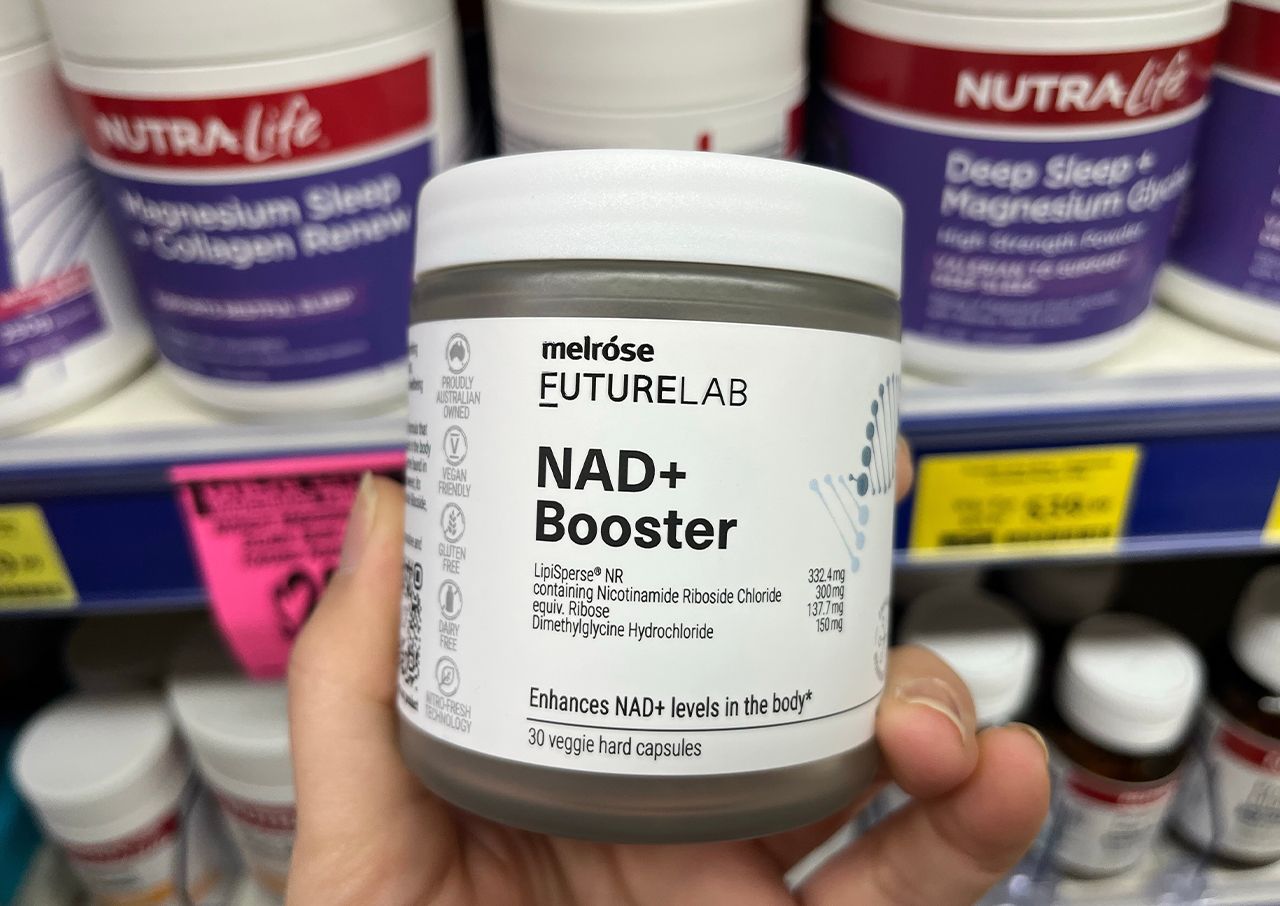




If you’ve noticed thinning, shedding, or changes in your hair, it can be tempting to stock up supplements that claim to promote growth. But it’s important to remember that not all supplements follow through on their promises—and many come with risks. In fact, in some cases, taking high doses of the wrong supplements can actually make hair loss worse rather than fix it.
According to Christina Han, MD, FRCPC, dermatologist and Medical Director at XYON Health, the biggest issue isn’t supplements themselves, but rather how they’re used. “When people ask me about ‘dangerous supplements‘ that can damage your hair, the key issue is usually dose, quality of the supplement, and whether the product meaningfully matches the cause of your hair loss,” she explains. “Hair loss is complex, and supplements are often overused or used instead of a proper treatment for the hair loss cause.” That being said, here are three supplements she and other experts warn could lead to hair damage when consumed in high doses.

Women Are Swapping Their Boring Water For This Ice Pop Electrolyte Mix!

1. Anabolic Steroids
One of the most damaging substances for hair health is anabolic—or androgenic—steroids. These are often used to increase muscle mass or athletic performance, and they can significantly accelerate hair loss in certain people.
"These are risky because they are synthetic hormones like testosterone," Dr. Han says. "If you’re genetically predisposed to androgenic alopecia, then elevated testosterone levels can make your hair loss worse." Increased androgen levels can shrink hair follicles over time, which can cause faster thinning and even permanent hair loss. Yikes!

2. Vitamin A
When it comes to vitamins and minerals, it's important to understand that "while they are essential for hair growth, over-supplementation of certain nutrients can actually cause hair loss," Anastasios Moulios, founder of Beardlong, tells SheFinds.
Vitamin A, for example, can do wonders for your health—but it's crucial to prioritize moderation when in your supplementation routine. "One of the vitamins that can cause hair loss is vitamin A. It's important for vision, immune function, and skin health, but too much of it can lead to hair loss. Taking excessive amounts of vitamin A supplements can cause hair follicles to go into a dormant phase and stop growing hair.”
Got it!

3. Selenium
"While it’s an essential nutrient, [selenium] can be linked to hair loss when taken in excess. If you’re experiencing unwanted hair loss, it’s probably a good idea to watch your selenium consumption," Jae Pak, M.D., hair restoration specialist tells SheFinds. The reason that vitamins and supplements may have adverse effects on your health, he says, is that they’re often not firmly regulated by the FDA, meaning that many side effects can fly under the radar as they’re not being tested for. "This has been a problem to the consumer for many years, [and] is why choosing a reputable company who is cGMP-certified is essential," suggests PharmaD, Joseph Kennedy.
He tells us: "This means their products are manufactured with state of the art technology that is up to date and more importantly, these facilities conduct a series of batch testing to ensure quality, cleanliness and accurate potency.” Selenium has been largely associated with hair loss in the past, and in a study conducted by the International Journal of Trichology, it was found to have the potential to cause "massive alopecia" when consumed in excess, particularly in the form of paradise nuts.
Therefore, Kennedy suggests skipping out on selenium supplements, as well as unregulated products altogether in favor of a collagen supplement if you’re struggling with significant hair loss.

Safer Alternatives
Rather than self-prescribing supplements, Dr. Han stresses the importance of medical guidance. "Talk to your doctor before trying to correct any nutrient balance," she says. "I often check iron, vitamin D, and zinc to confirm levels are in a normal range, and I don’t recommend excessive supplementation above normal levels."
She also emphasizes that simple habits matter more than most people realize. "Don’t ignore fundamentals. A balanced diet—including adequate protein—exercise, sleep, and stress management matter for overall hair and health, and vitamin deficiencies are uncommon for most people relying on a typical diet."
Copy that!