




Walk down any pharmacy aisle and you’ll see shelves packed with supplements promising stronger bones, better heart health, improved mood, and lower cholesterol. Because many of these products are available over the counter—and often labeled as “natural”—it’s easy to assume they’re automatically safe. But doctors warn that certain popular supplements can carry hidden risks, especially when taken in high doses or without medical supervision.
From potential liver strain to increased heart concerns, experts say some vitamins and herbal remedies may do more harm than good when misused. We spoke with medical professionals who break down seven commonly used supplements that deserve a closer look.

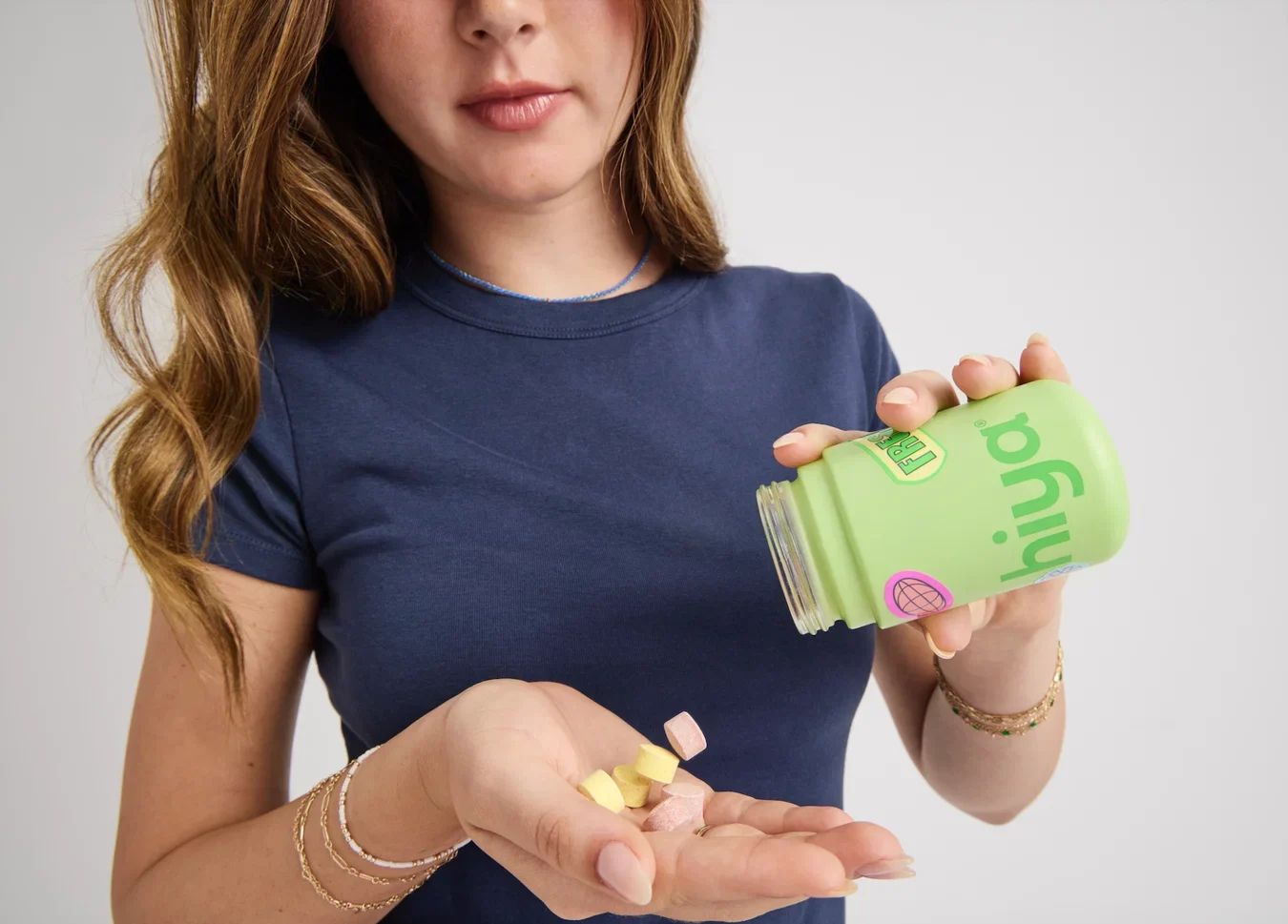
Women Are Swapping Their Boring Water For This Ice Pop Electrolyte Mix!

1. High-Dose Calcium
Excess calcium from supplements (rather than food) can accumulate in arteries, leading to calcification and an increased risk of heart attacks and strokes.
"Calcium is needed for heartbeat regularity and bone health; however, research shows taking high doses in supplement form may increase the risk of atherosclerotic heart disease in postmenopausal women," says Michelle Routhenstein, Cardiology Dietitian at Entirely Nourished.

2. Niacin
Long-term use of high-dose niacin, particularly sustained-release versions, can lead to liver toxicity and damage, causing symptoms like jaundice, nausea, and elevated liver enzymes.
Routhenstein adds, "While consuming adequate niacin through food is beneficial to heart health, consuming high dose niacin in supplement form may increase the risk of vascular inflammation."

3. Kava
One of the most significant risks of kava is its potential to cause liver damage, ranging from mild liver enzyme elevations to liver failure.
"Marketed for relaxation, but long-term use may harm your liver. Long-term use has been linked to liver toxicity, even leading to failure in severe cases," she notes.

4. St. John’s Wort
St. John’s Wort is a popular herbal supplement often used for mood support and depression, but comes with hidden risks that can cause complications such as reducing the effectiveness of birth control pills, increasing chances of blood clots, and even stroke.
"Often used for mood support, but it can mess with medications like birth control and antidepressants. Supplements like St. John’s Wort can affect serotonin levels, potentially leading to heart rhythm issues," Janelle Salo, RN, Holistic Health and Wellness Writer, reveals.

5. Red yeast rice
Red yeast rice is a popular natural supplement used to lower cholesterol, but it comes with hidden risks that many people may not be aware of.
"Red yeast rice is marketed as a cholesterol-lowering supplement, but its active ingredient, monacolin K, which helps reduce cholesterol, can increase the risk of liver, muscle, and kidney damage. Additionally, the dosage of this active ingredient is often not clearly disclosed on supplement labels," Routhenstein warns.

6. Vitamin E
Vitamin E is a natural blood thinner, and excessive intake can interfere with blood clotting, increasing the risk of bruising, nosebleeds, and serious bleeding, especially for those on blood thinners.
"Vitamin E is beneficial as an antioxidant in food; however, high doses in supplements may increase the risk of heart failure and hemorrhagic stroke," says Routhenstein.

7. Melatonin
Melatonin is a popular supplement for sleep and jet lag, but it can actually disrupt natural sleep cycles when taken too frequently or at the wrong times, mess with your hormones, cause drowsiness, and even interact with other medications.
This "helps with sleep, but too much can throw off your natural sleep cycle and cause grogginess and heart irregularity. High doses of melatonin may also cause irregular heartbeats or arrhythmias in some people," Salo states.
Stay safe!