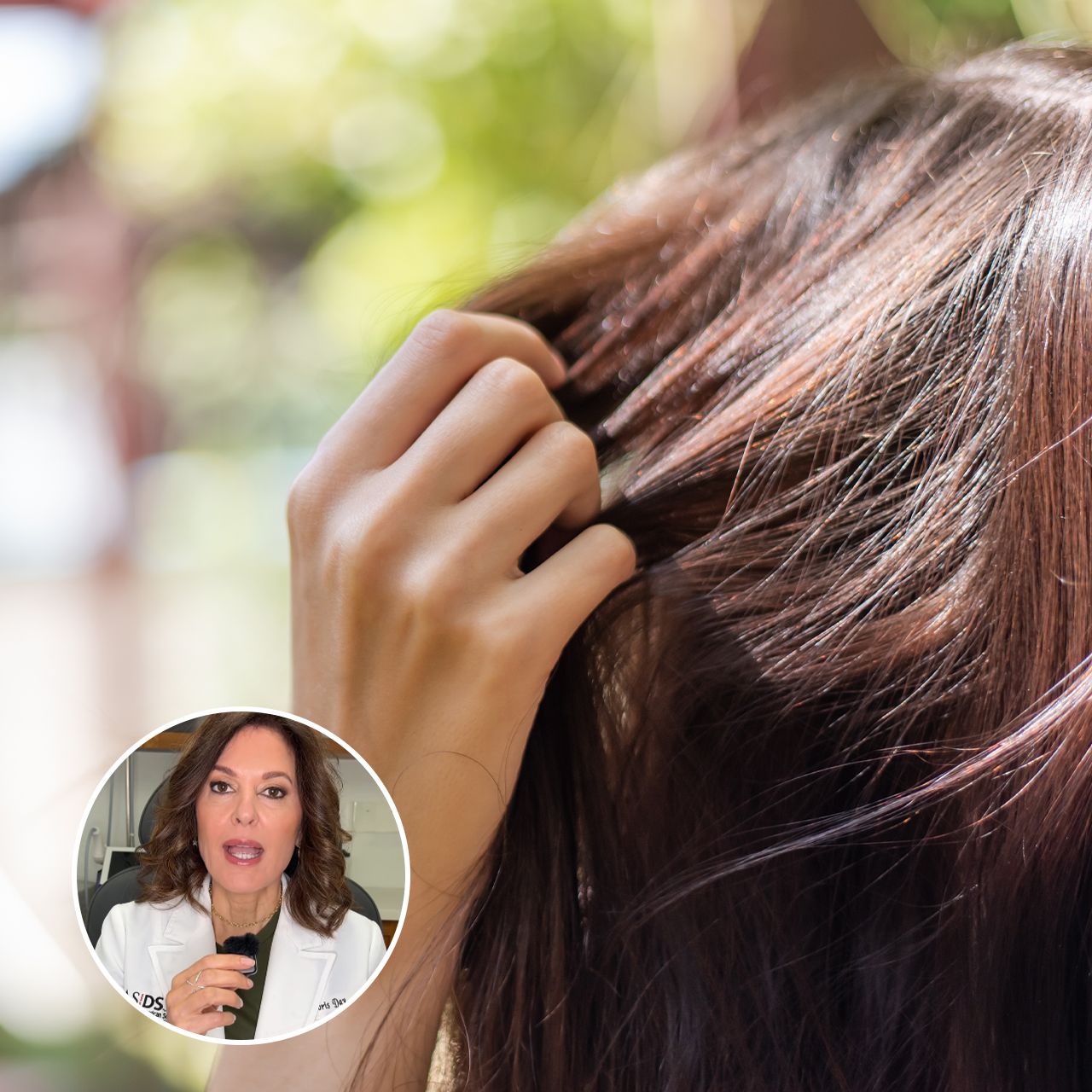




Hair oils have become one of the biggest beauty trends for anyone dealing with thinning hair or shedding, with countless products promising thicker, fuller strands. But according to dermatologist and hair transplant surgeon Dr. Aanchal Panth, hair oils may only help in certain types of hair loss—and understanding the difference is key before spending money on viral treatments.
In a recent video, Dr. Aanchal explained that not all hair loss works the same way, which means not every form of thinning will respond to oils, scalp massages, or DIY remedies.
“A lot of people are conscious about their hair thinning and hair fall and don’t openly talk about this,” she explained, noting how emotional and personal hair loss can be for many women. However, she stressed that identifying the type of hair loss is one of the most important steps in finding the right treatment.

Women Are Swapping Their Boring Water For This Ice Pop Electrolyte Mix!

The Type Of Hair Loss Hair Oils May Help
According to Dr. Aanchal, oils may sometimes help in cases of alopecia areata, particularly a diffuse form of the condition. Alopecia areata is an autoimmune disorder where the immune system mistakenly attacks hair follicles, leading to patchy or widespread shedding.
“This is a type of diffuse alopecia areata in which the cells in your body destroy the roots and then you start losing hair,” she explained.
In these cases, certain scalp-stimulating ingredients or mild irritants may occasionally encourage regrowth by increasing circulation and triggering the follicles. Dr. Aanchal noted that some lotions and topical treatments can also help improve hair growth in this specific condition.
Because alopecia areata can sometimes experience spontaneous regrowth on its own, it may appear that oils or scalp treatments are “working,” especially when paired with consistent scalp stimulation and care.

When Hair Oils Won’t Regrow Hair
However, Dr. Aanchal emphasized that oils are not a cure-all—especially for female pattern hair loss, which is one of the most common forms of thinning in women over time.
“Can you get hair growth if you have female pattern hair loss or the kind of thinning that we normally see? No,” she explained plainly. “Applying hair oil is not going to grow hair in female pattern hair loss.”
Female pattern hair loss is usually linked to genetics, aging, and hormonal changes that gradually shrink hair follicles over time. While oils may temporarily improve softness, shine, and scalp hydration, they typically cannot reverse the follicle miniaturization associated with this type of hair thinning.
What Hair Oils Can Do
Even if they don’t regrow hair in every case, hair oils can still offer cosmetic and scalp-health benefits. Many oils help reduce dryness, minimize breakage, add shine, and support a healthier scalp environment overall. Ingredients like rosemary oil, coconut oil, argan oil, and castor oil are often used to nourish the scalp and improve hair condition.
That said, dermatologists stress that persistent hair shedding or visible thinning should always be evaluated properly, since treatment options vary depending on the cause. Hormonal hair loss, nutritional deficiencies, stress-related shedding, autoimmune conditions, and traction damage all require different approaches.
The Bottom Line
Hair oils may help support regrowth in some cases of alopecia areata or temporary shedding, but they are unlikely to reverse female pattern hair loss on their own. If you’re noticing ongoing thinning, experts say the most important thing is getting an accurate diagnosis first instead of relying solely on viral hair trends.